
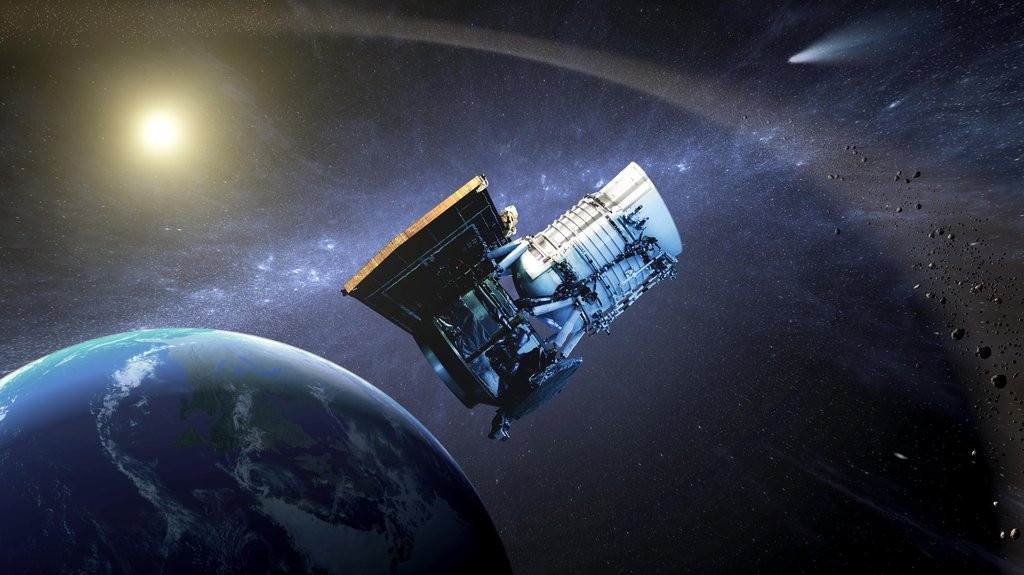
Data revealed an extraordinary timeline: more than a decade of collection, with billions of recorded observations captured in a comprehensive infrared survey of the cosmos. Since the reactivation of the NEOWISE telescope, its observations were primarily analyzed for asteroid detection, but the fluctuating celestial bodies—variable stars, pulsating quasars, eclipsing binaries—remained concealed in massive datasets.
At the California Institute of Technology, senior scientist Davy Kirkpatrick had long pondered what undiscovered insights the NEOWISE data archive might hold. Having mentored high school students for several years, he sought to compile the first exhaustive catalog of all infrared sources exhibiting time-based brightness variations.
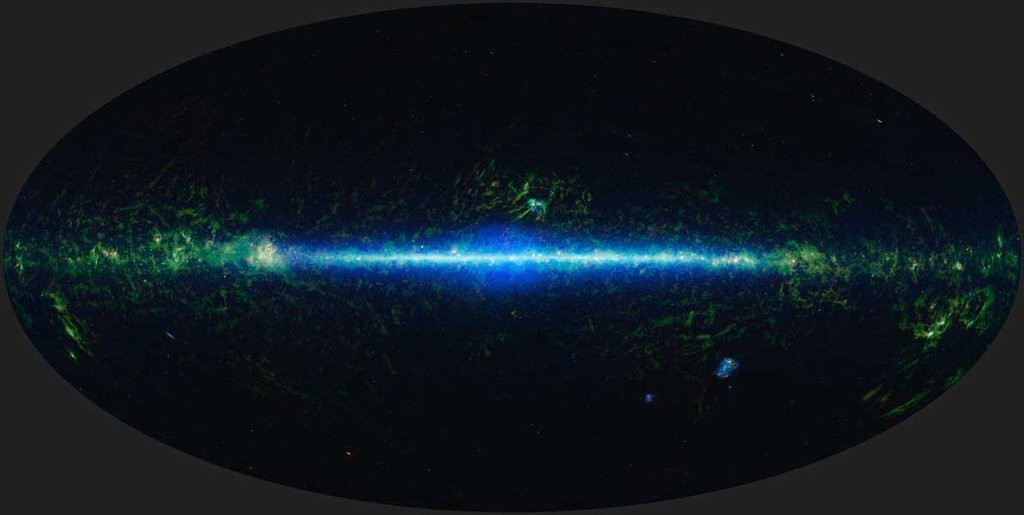
However, Kirkpatrick later remarked on the challenge: traditional analysis techniques couldn’t handle datasets of such magnitude. “The number of individual detections had ballooned to nearly 200 billion entries,” he explained.

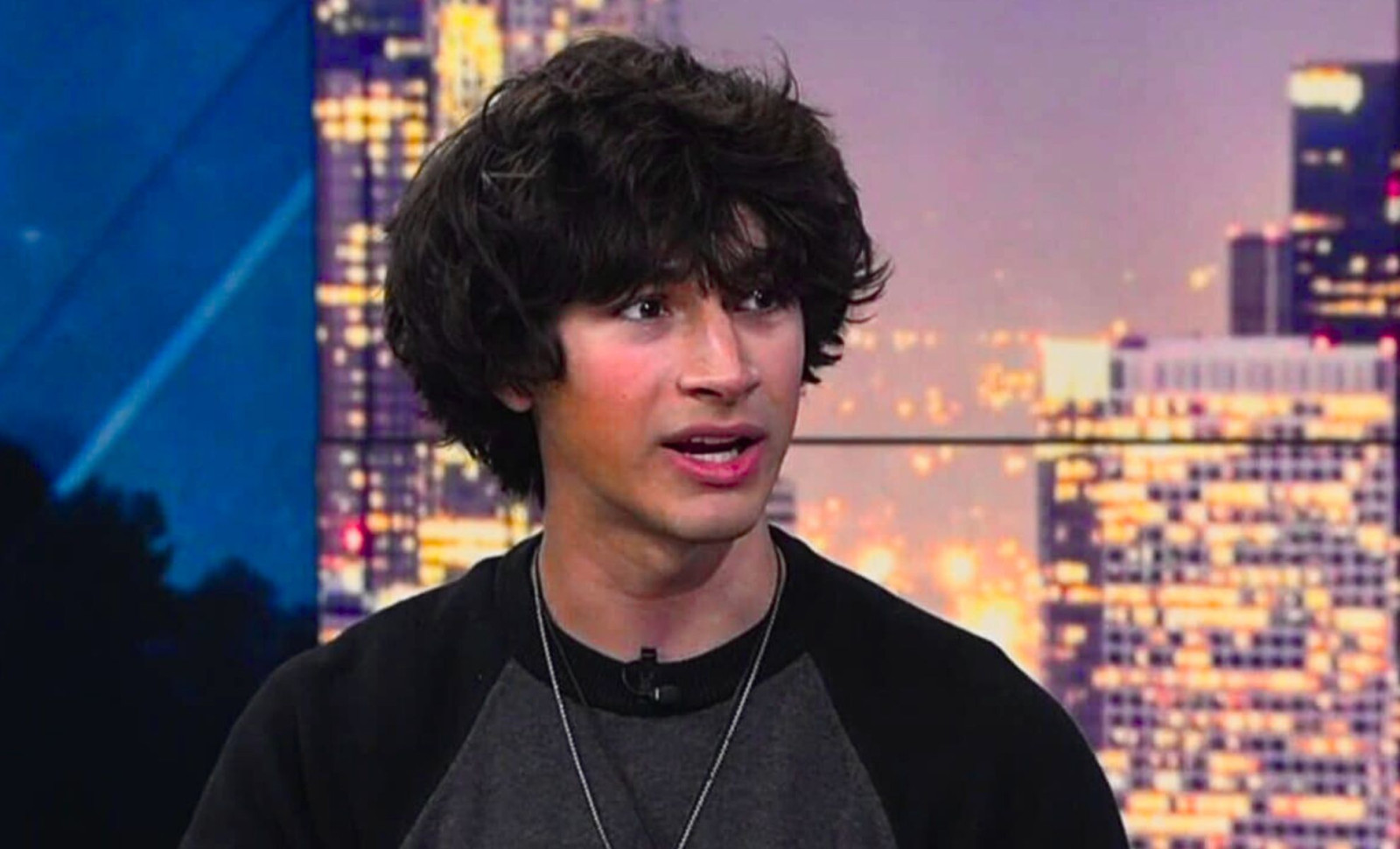
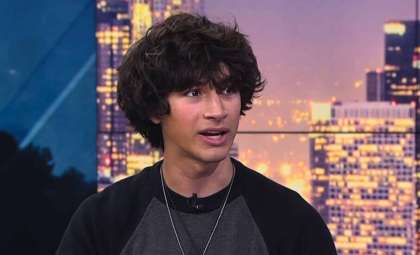
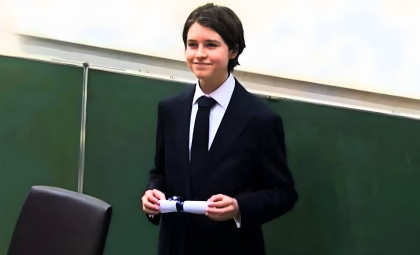
Initially, Kirkpatrick’s plan for a summer intern was straightforward: analyze a limited sky region manually for variable stars and publish the findings as preliminary work. But a 17-year-old Pasadena High School student, Matteo Paz, suggested a radically different approach.
The AI Framework Processing Stars in Microseconds
Having attended Caltech’s public astronomy lectures since childhood, Paz brought exceptional mathematical skills, including early completion of AP Calculus and exposure to undergraduate-level math. A computer science elective introduced him to machine learning. The Caltech feature on exploring space with AI details how Paz and Kirkpatrick’s collaboration started within outreach programs.
On his first day, Paz declared his goal: to publish a scientific paper. Encouraged by Kirkpatrick, he developed VARnet, a model that processes astronomical time-series data in three key phases. First, wavelet decomposition minimizes noise and erroneous readings. Next, a tailored discrete Fourier transform extracts periodic signals from unevenly spaced light curves.
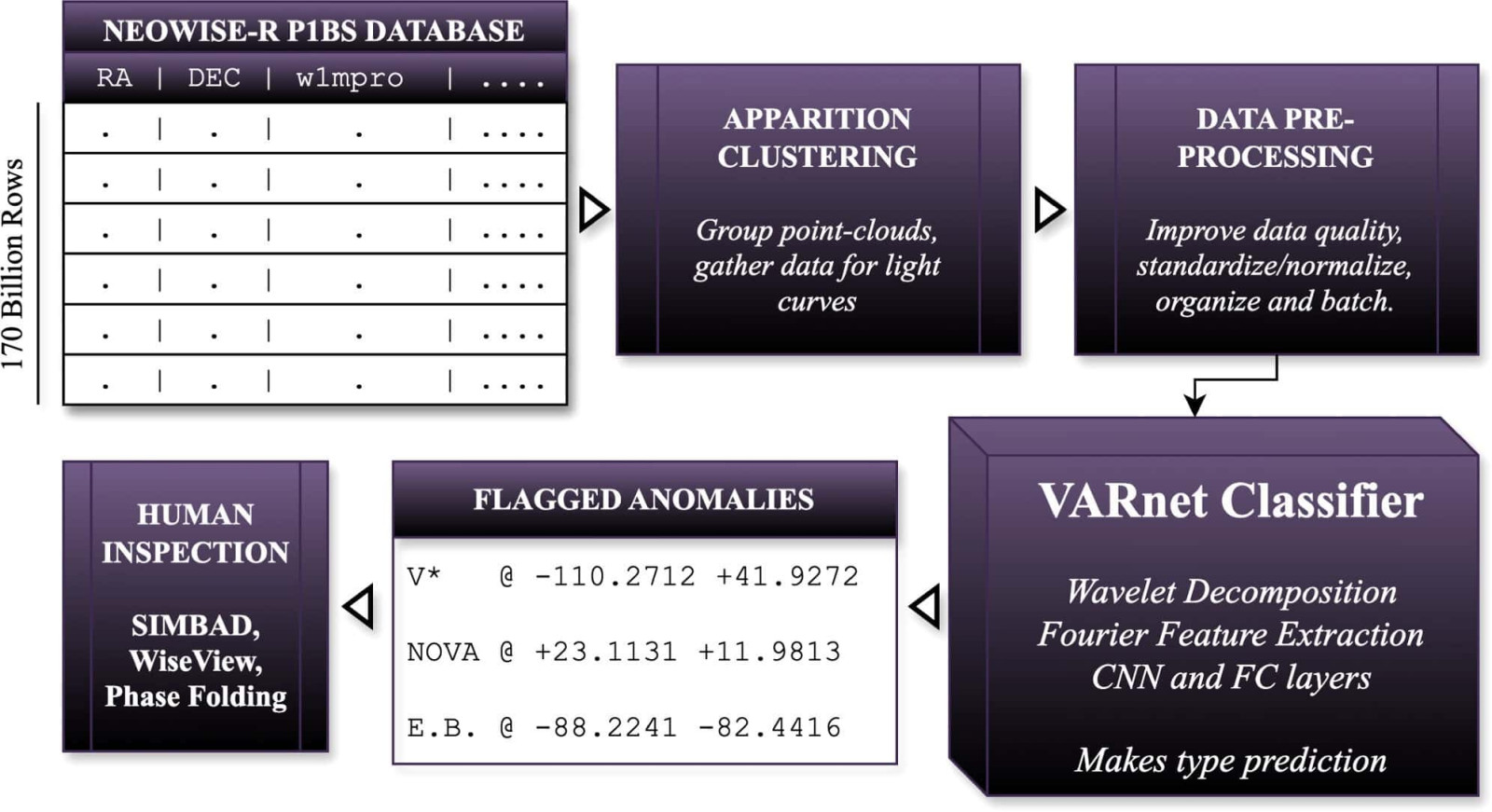
Published in The Astronomical Journal, the technical paper on VARnet explains how convolutional neural networks categorize sources into four groups: steady stars, transient phenomena such as supernovae, pulsating variables, and eclipsing binaries.
Performance tests show the technology processes each star faster than 53 microseconds using a GPU with 22 GB of VRAM and achieves an F1 accuracy score of 0.91 on known variable objects, scaling effectively to the entire NEOWISE dataset.
A Mentorship Rooted in Tennessee
Kirkpatrick’s own path began in a Tennessee farming town. Inspired in ninth grade by teacher Marilyn Morrison, who recognized his potential and guided his science education, he credits her for his career choice in astronomy. His professional profile is accessible on his IPAC staff page, where NEOWISE data is housed.
“I want to replicate that same kind of encouragement for others,” Kirkpatrick said. “If I see talent, I’ll do everything possible to support their growth.”
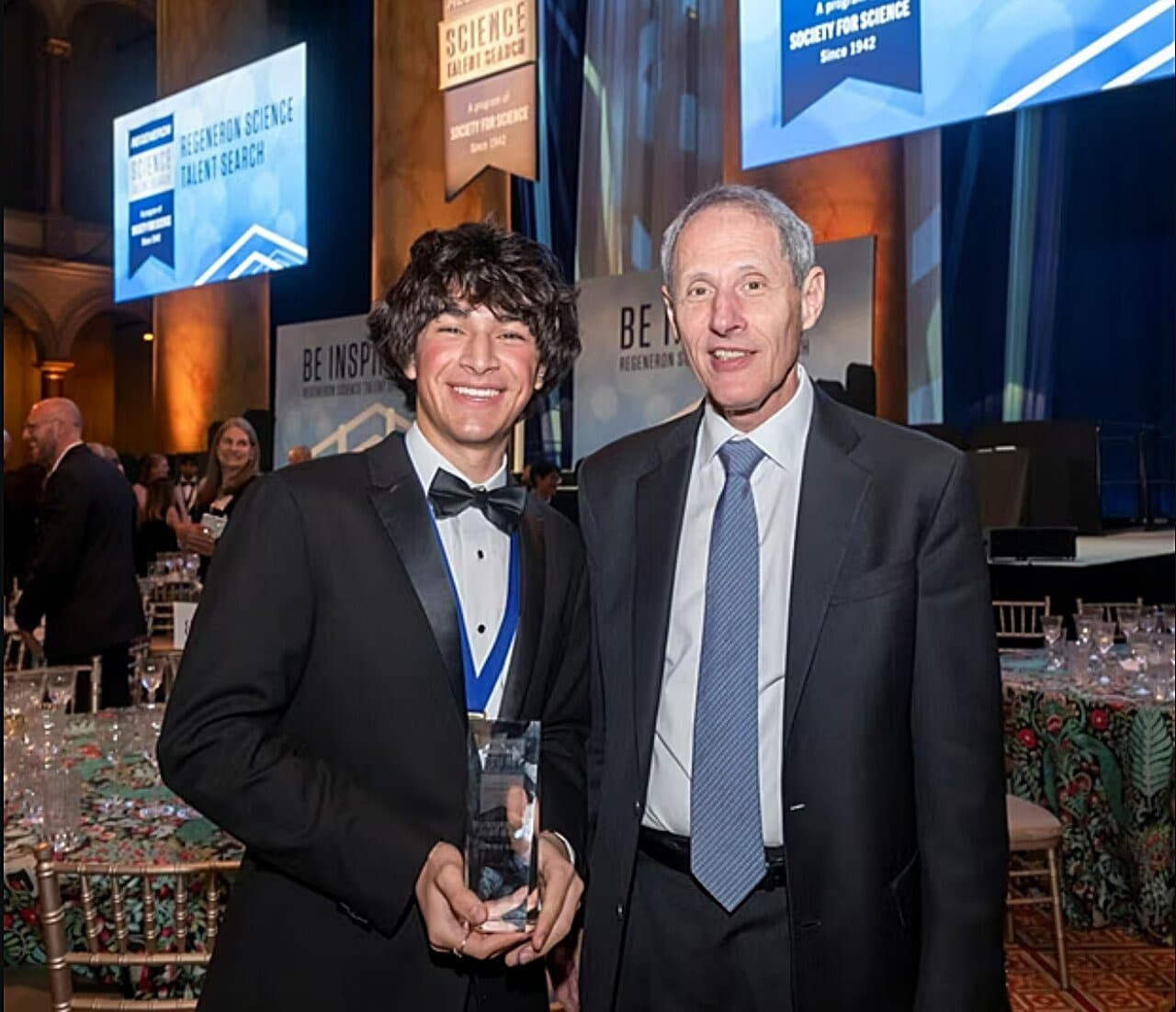
This mentoring philosophy influenced the project’s expansion. When Paz proposed developing an AI-based model to analyze the entire NEOWISE archive rather than a tiny sky section, Kirkpatrick enlisted colleagues including Shoubaneh Hemmati, Daniel Masters, Ashish Mahabal, and Matthew Graham, experts in machine learning and astronomical variability analysis.
The collaboration highlighted an intrinsic limitation of the NEOWISE data: its scanning pattern, focused along large circles centered on the Sun, prevents systematic identification of transient flashes or very slow brightness changes. Certain variable phenomena, therefore, remain elusive even to the most advanced automated surveys relying solely on NEOWISE.
Identifying Over 1.5 Million Variable Candidates
VARnet identified approximately 1.5 million prospective variable sources within the NEOWISE archive. This total doesn't signify confirmed discoveries but rather candidates necessitating further astronomical follow-up for classification. While some will match known objects newly characterized in the infrared, some detections might be false alarms, and others may represent genuinely new quasars, stars, and transient events.
This comprehensive catalog is slated for release in 2025. Its availability will offer astronomers an unprecedented all-sky infrared variability dataset, enabling far-reaching statistical studies instead of the fragmentary investigations typical before now.
While continuing his high school studies, Paz now works as an IPAC staffer at Caltech. He envisions VARnet’s applications beyond astronomy: “This method can support other time-dependent research fields, including chart trend analysis and environmental monitoring like air pollution, where periodic cycles are significant,” he stated.
- Categories:
- Science








0 comments
Sign in to Comment