

At just 15 years old, Laurent Simons has embarked on a second doctoral journey in medical science, concentrating on artificial intelligence coupled with biological simulations. This follows his verified completion of an initial PhD in theoretical physics, which he finalized by the end of 2025.
Hailing from Belgium, Simons is charting a research path that bridges AI applications in medicine, longevity research, and the development of advanced human enhancement technologies. His educational trajectory adheres strictly to conventional academic standards and institutional validations.
Previously, Simons gained attention across Europe by finishing his secondary education before turning 10. His achievements are entirely accredited, without reliance on honorary or alternative qualifications.

Cutting-Edge Quantum Physics Research Published in Peer-Reviewed Forums
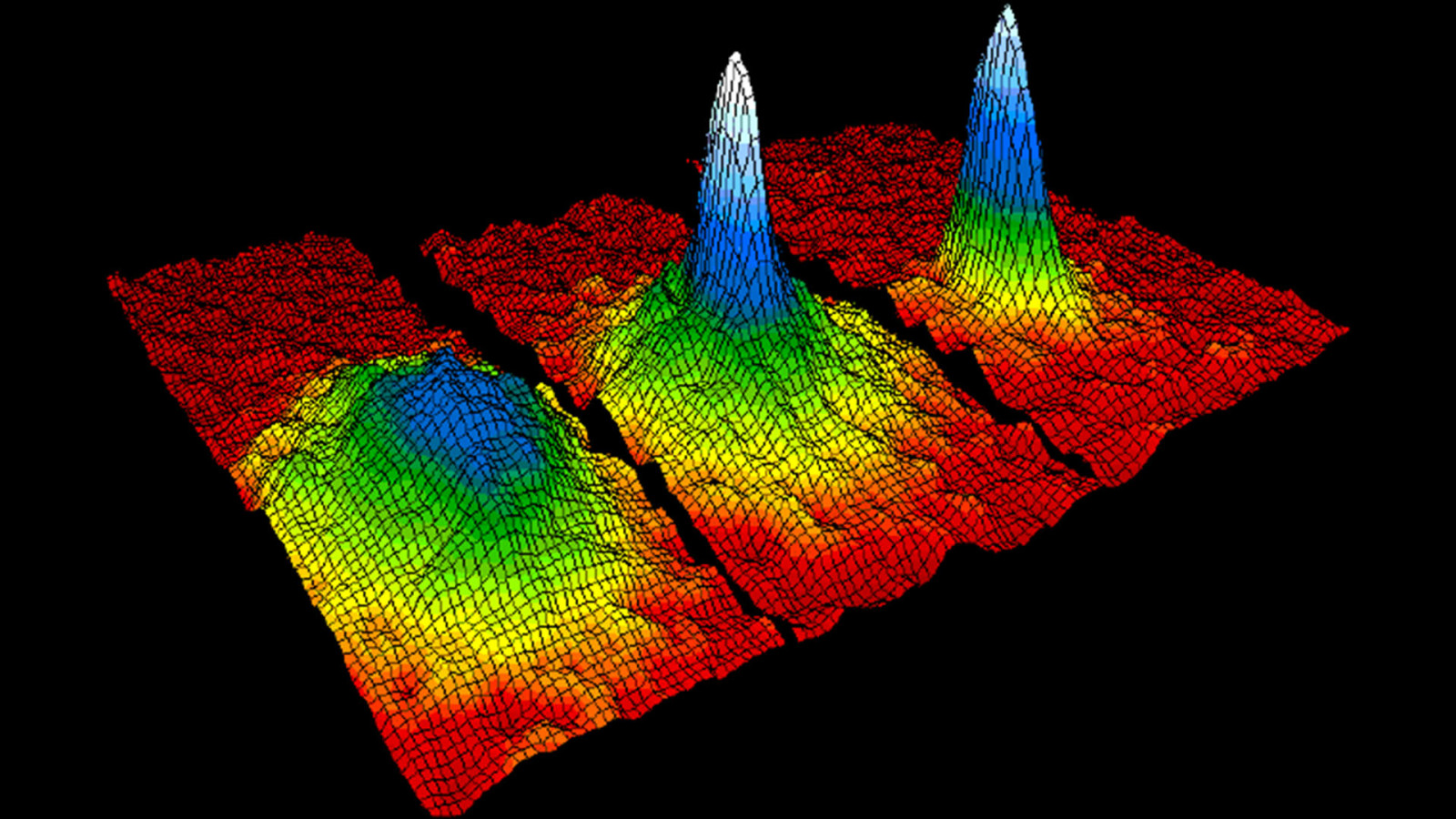
Simons obtained his first doctorate at the University of Antwerp, where his dissertation, titled Bose polarons in superfluids and supersolids, investigated the behavior of impurities in Bose–Einstein condensates. These quantum states emerge when atoms reach temperatures close to absolute zero, resulting in collective quantum coherence.
His work falls under condensed matter physics, a field that underlies innovations such as quantum computing and the study of complex many-body systems. The research was conducted under rigorous academic oversight and documented to have met all standard criteria.
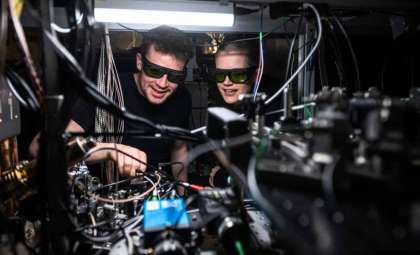
During his PhD, Simons also worked at the Max Planck Institute for Quantum Optics, contributing to investigations on quasiparticles in ultracold atomic systems. His progress did not receive any age-related exceptions; all academic benchmarks were achieved via the usual procedures.
Academic records show that Simons completed undergraduate and master’s degrees at Antwerp in a two-year span after finishing high school at age eight.
Transitioning from Quantum Phenomena to Biological Applications
In early 2026, shortly after earning his physics PhD, Simons moved to Munich to commence a second doctoral program centered on medical sciences. This initiative explores artificial intelligence-driven biology, emphasizing applications in health management and aging processes.
During a televised interview with Belgian media outlet VTM, Simons remarked, “After this, I’ll start working towards my goal: creating superhumans.” His plans to overcome aging have been noted previously, including coverage by The Brussels Times.
There is no current indication that Simons is involved in clinical or experimental biomedical research involving human subjects. His work appears to focus on early-phase theoretical study and computational AI models facilitating biological diagnostics.
Global Interest Grows Around AI Tools for Life Extension
Simons’ current research coincides with a worldwide upswing in funding for AI-based longevity initiatives. Prominent organizations like Calico Life Sciences and Altos Labs focus on innovations such as cellular rejuvenation, tissue repair, and genetic restoration, often leveraging machine learning to speed biological research.
Top scientific journals such as Nature Aging and Cell Reports Medicine continue to publish studies exploring AI applications in disease forecasting, biomarker identification, and models for healthspan extension. These projects bring together experts from genomics, data science, and systems biology.
Simons’ interdisciplinary path is distinct; while computational biomedical researchers usually come from biological or engineering backgrounds, his roots in quantum physics provide a novel perspective within longevity science.
Ethical Dimensions of Enhancement Research
Simons’ ambition to develop “superhumans” places his work within ongoing ethical discussions about human enhancement, which encompasses genetic modification, neural augmentation, and extending lifespan.
The Stanford Encyclopedia of Philosophy categorizes enhancement research into therapeutic (restoring lost functions), elective (boosting normal abilities), and transformational (changing core traits). To date, Simons has not academically defined what enhancement means within his work.
Currently, there is no evidence that Simons is engaged in actual enhancement practices beyond theoretical models. He is not linked with biotech companies, investment backing, or proprietary research projects. His research remains within academic institutions.
Maintaining Academic Integrity and Oversight
All of Simons’ studies have taken place at accredited universities under standard doctoral guidelines. None of the institutions involved have reported any concerns related to supervision, academic content, or ethical oversight.
To date, results from his second PhD have not been published or reviewed by peers. Details regarding his methods, research scope, or data remain confidential and unpublished.
His completed PhD in physics serves as an official record, representing a rare achievement of interdisciplinary doctoral progression at a young age.
- Categories:
- Science









0 comments
Sign in to Comment