
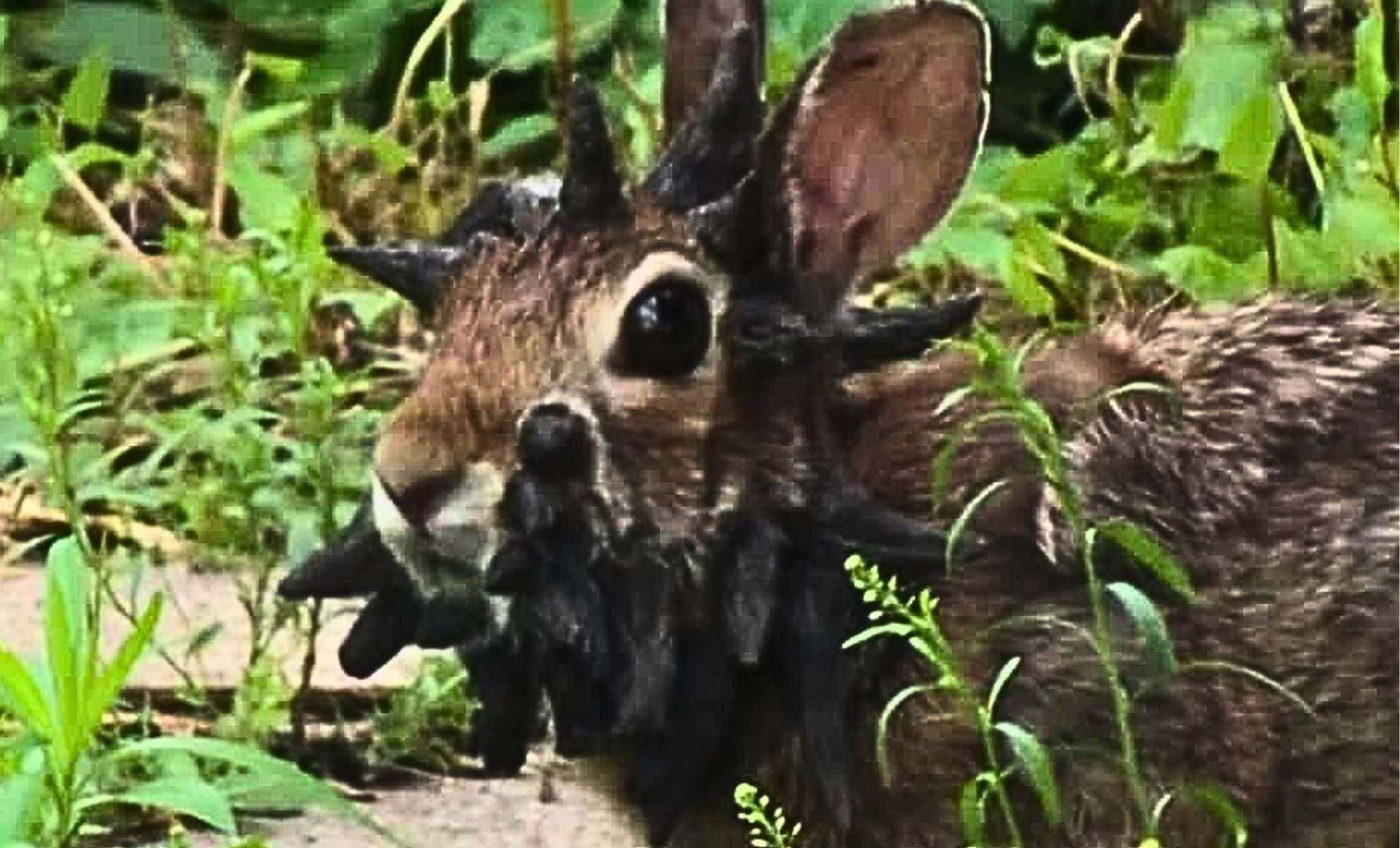
Wildlife authorities in Colorado are reporting an increase in infections of shope papillomavirus, a rare illness that causes wild rabbits to develop unusual tentacle-like protrusions around their heads and mouths. Though the disease itself has been documented for decades, the striking photos circulating online have reignited public concern and led officials to clarify the risks to humans, pets, and natural habitats.
A Known Virus Gains Renewed Attention
Discovered in the 1930s by virologist Richard Shope, shope papillomavirus primarily infects wild rabbits, especially cottontail species common in the American Midwest. The infection produces papillomas, wart-like growths, that usually appear on the head, face, and mouth. While benign, these tumors often look like black spikes or quills and in severe cases, resemble bizarre tentacles.
This summer, communities around Fort Collins, Colorado, have seen a surge in sightings of affected rabbits. Reports from NBC affiliate KUSA highlight local residents spotting rabbits with what looked like “black toothpicks” protruding from their faces. Fort Collins resident Susan Mansfield commented, “I thought he would die off during the winter, but he didn’t. He came back a second year, and it grew.”

Photos of these so-called “Frankenstein rabbits” have rapidly spread on social media, fueling both intrigue and concern.
Factors Driving the Current Rise and Mechanism of Transmission
The recent increase in cases coincides with heightened insect activity during warmer months. The virus is mainly transmitted by biting insects such as mosquitoes, ticks, and fleas, which explains its seasonal pattern and concentration in Colorado, as well as reports from South Dakota, Minnesota, and Texas.
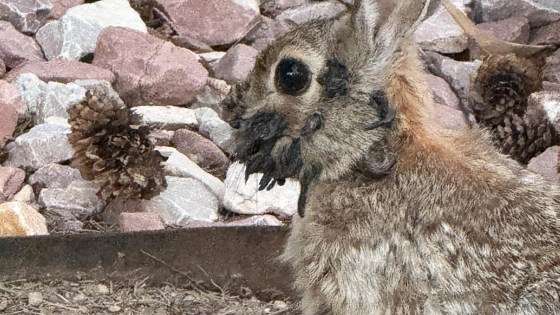
The virus spreads between rabbits either directly or through these insect vectors. Importantly, it does not infect other species or humans. Kara Van Hoose, public information officer with Colorado Parks and Wildlife (CPW), noted that the disease is “mostly benign in rabbits,” adding that the immune system usually clears the virus unless growths obstruct the eyes or interfere with eating.
Despite its strange appearance, the virus poses no risk to humans and is not contagious to household pets. Although infections among domestic rabbits are rare, they remain possible if pets come into contact with infected wild rabbits or vectors.
Guidance for Encountering Infected Rabbits
Wildlife officials in Colorado advise people to avoid handling rabbits showing signs of infection. While unsettling to see, these animals generally do not need intervention unless their growths affect vital functions like vision or feeding.
CPW stresses that most infected rabbits recover naturally as their bodies fight off the virus. Interfering may cause unnecessary stress to the animals and potentially expose humans to other diseases not related to papillomavirus.
Pet owners are encouraged to keep domestic rabbits indoors, especially during peak mosquito hours at dawn and dusk. Outdoor housing should be secured with screens and cleaned regularly to limit insect contact.
Is There a Risk of the Virus Spreading Internationally?
Currently, outbreaks remain concentrated within the U.S., and experts believe the chance of worldwide spread is minimal. According to Vetlexicon, a leading veterinary resource, shope papilloma virus “does not occur in the UK or Europe.” This alleviates concerns for rabbit populations and wildlife managers outside North America.
Nevertheless, the virus affects numerous rabbit species—including jackrabbits, brush rabbits, snowshoe hares, and some European rabbits—raising questions about its ecological impact should it become more widespread.
Ongoing surveillance and research will be essential, especially as climate change alters insect populations, potentially making outbreaks more frequent or severe.
- Categories:
- News












0 comments
Sign in to Comment