
Inside a quiet consultation room at Moorfields Eye Hospital, Sheila Irvine gazed at a page and recognized something she hadn’t seen in years: letters. One by one, she identified each character. For someone who had endured near blindness in one eye for over ten years, this was a remarkable milestone.
“It’s not simple, learning to read again,” she said. “But reading takes you into another world. I’m definitely more optimistic now.”
Sheila is part of a group of 38 individuals involved in a clinical evaluation of the PRIMA System, an innovative retinal implant aiming to restore central vision lost to advanced dry age-related macular degeneration (AMD), a widespread and currently incurable eye disease.

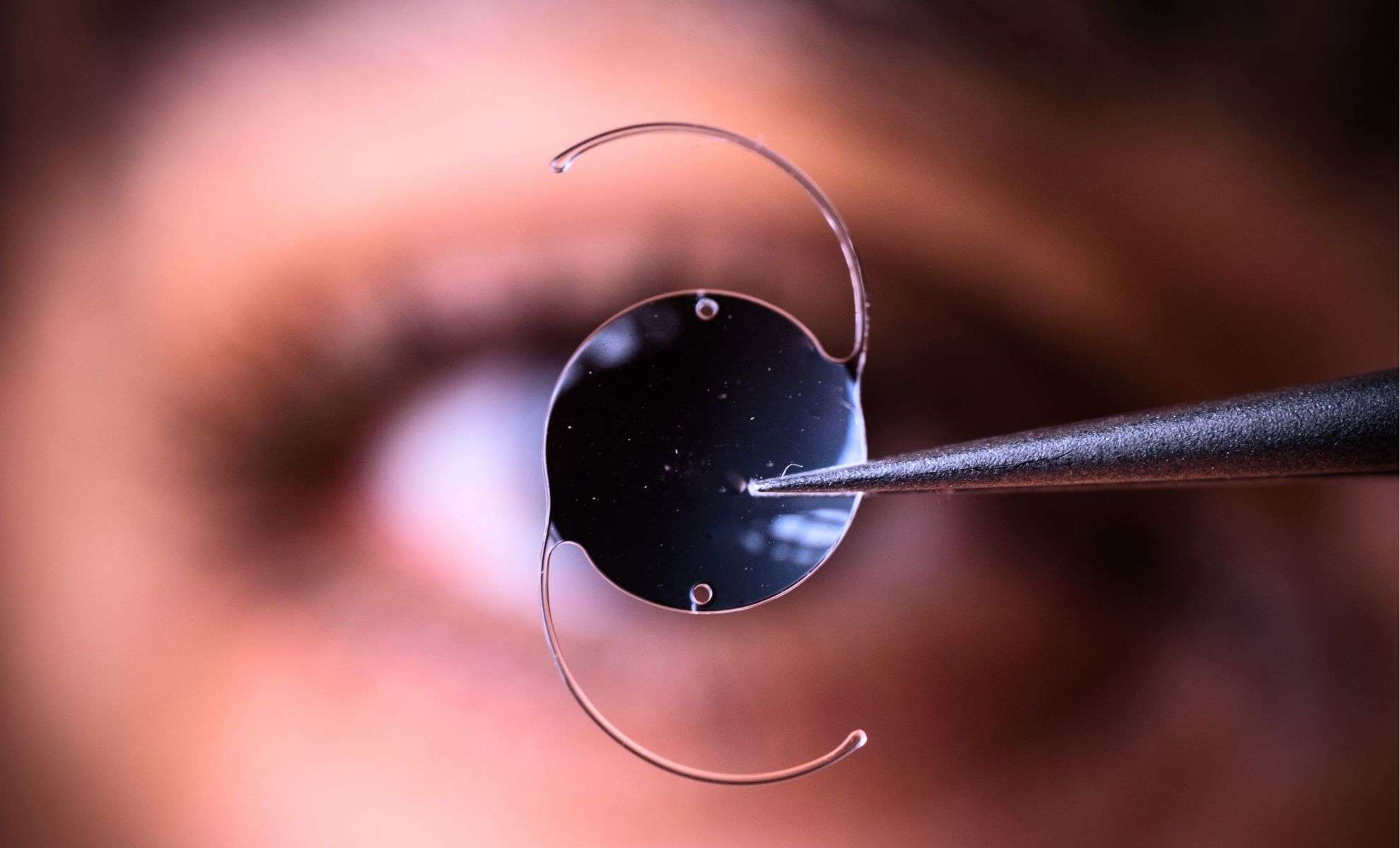
The microscopic implant, comparable in size to a grain of rice, belongs to a new class of subretinal devices that bypass damaged photoreceptors in the retina. Instead of repairing the damage AMD causes, it reroutes visual signals—sending light information directly to the brain. When combined with augmented reality glasses and a wearable processing unit, this chip enables worn eyes to interpret their environment once more.
A clinical trial in Europe, published in The New England Journal of Medicine, reported that 84% of participants who were blind regained the ability to recognize letters and words with the implant. This achievement goes beyond symbolism; it offers genuine independence to those previously told no solution existed.
The Impact of Central Vision Loss
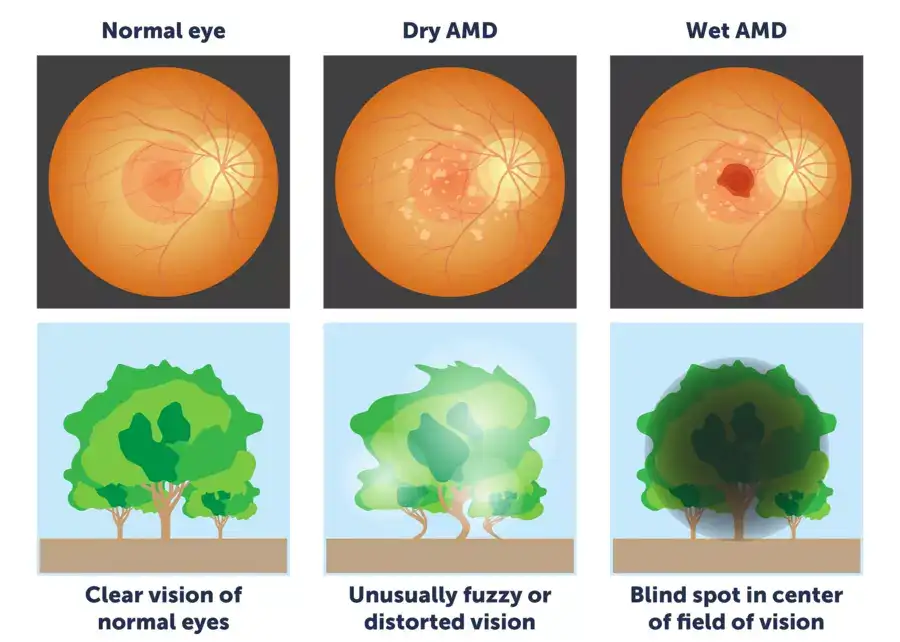
AMD stands as the primary cause of permanent vision loss in individuals over 60 years old. The condition manifests in two types—wet and dry. While treatments can slow wet AMD, dry AMD, responsible for most cases, remains largely untreatable. Over time, it causes geographic atrophy, the degeneration of retinal cells within the macula—the area crucial for sharp, detailed vision.
Those affected by geographic atrophy rarely lose all sight. They maintain peripheral vision, which aids in mobility and movement detection. However, they lose the capability to read, drive, recognize faces, or perceive fine details—functions dependent on the macula. Until recently, restoring this central vision after damage was impossible.
The PRIMA implant distinguishes itself by addressing this challenge. Created by Science Corporation (formerly Pixium Vision) and further developed at Stanford University, the device requires no cumbersome wires or equipment. It utilizes infrared light to wirelessly power 378 electrodes embedded in the implant. Each electrode stimulates surviving retinal cells to send visual signals to the brain. Essentially, it harvests infrared energy to function without an internal battery.
Patients don glasses outfitted with a tiny camera capturing their surroundings live. A processor sharpens and converts the images, projecting them as infrared light onto the implant. With training, users relearn how to interpret this artificial vision—as if mastering a new visual language.
Challenges and Breakthroughs with Restored Sight
Many trial members found the experience both moving and initially confusing. Some noticed flickering lights or distorted shapes early on, while others described vision restoration as almost dreamlike. Over time, the device enabled participants to read letters on charts, complete puzzles, and decipher simple text on packages and books.
Dr. Mahi Muqit, senior surgeon at Moorfields Eye Hospital and principal UK trial investigator, hailed the findings as “a breakthrough in artificial vision.” In an interview highlighted by Neuroscience News, he noted that implantation takes under two hours and can be performed by any specialized vitreoretinal surgeon. Crucially, the procedure does not harm any remaining natural vision.
The device carries some risks. The trial documented 26 serious adverse events across 19 participants—mainly raised eye pressure, retinal detachment, and bleeding under the retina. Most incidents occurred within the first two months post-surgery and were managed with conventional treatments. Long-term monitoring over three years will continue to evaluate safety and effectiveness.
These interim results have also drawn attention from the Inserm press office, which helped coordinate parts of the study via the Institut de la Vision in Paris. Inserm reports some participants regained reading abilities for full sentences and completed demanding activities such as navigating metro systems.
The promising data pushes the PRIMA implant closer to gaining regulatory approval in Europe and possibly the USA. If sanctioned, it could become the first commercial treatment dedicated to restoring vision for dry AMD patients suffering geographic atrophy.
Meanwhile, Sheila Irvine is taking steps to relearn reading, progressing word by word. For the many people facing untreatable blindness, this comeback means reclaiming a vital part of life.
- Categories:
- Science











0 comments
Sign in to Comment