
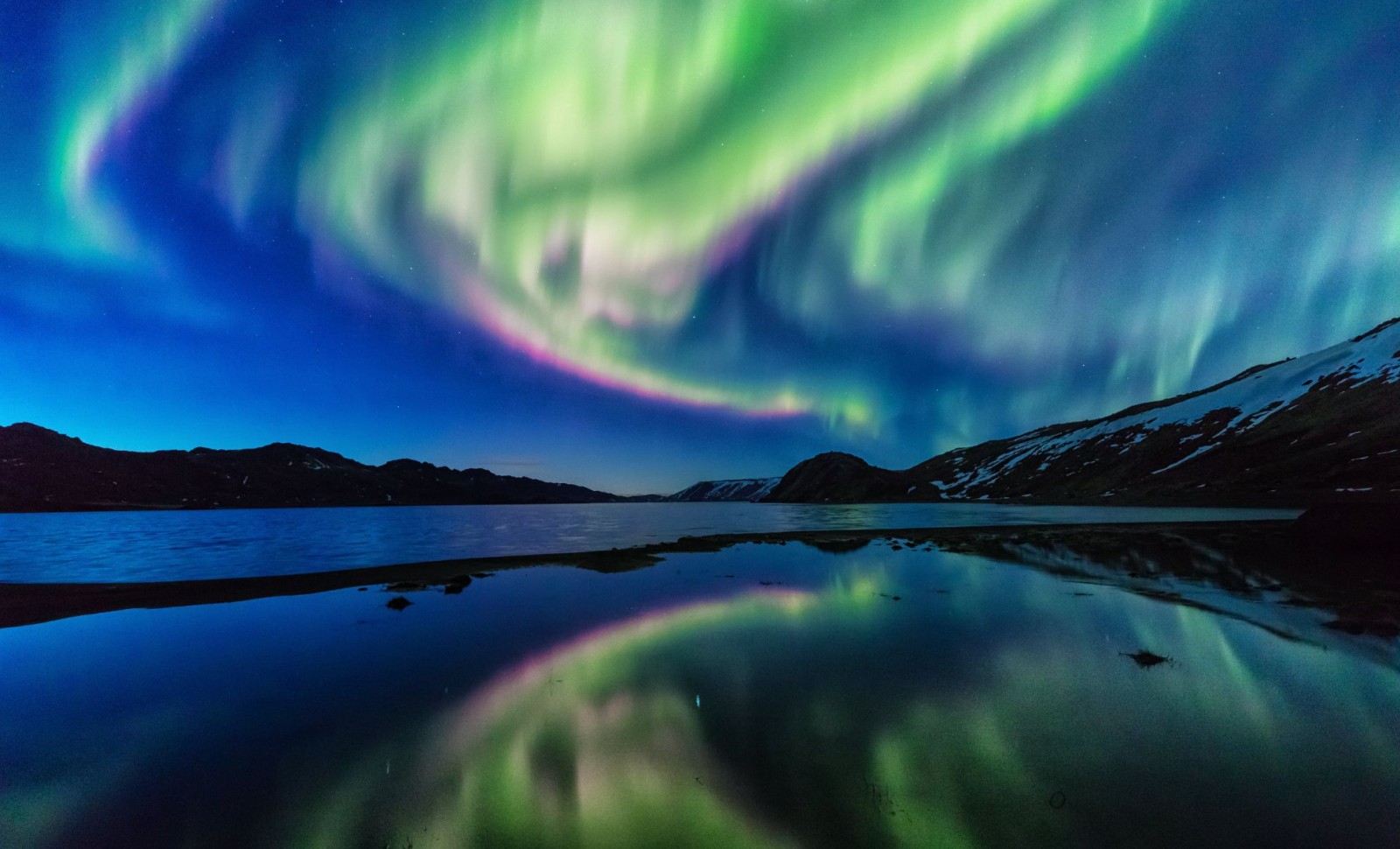
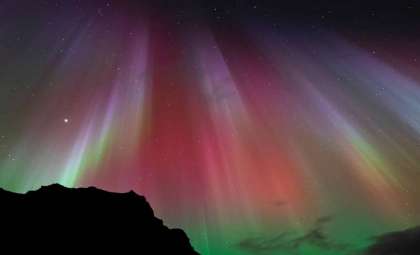
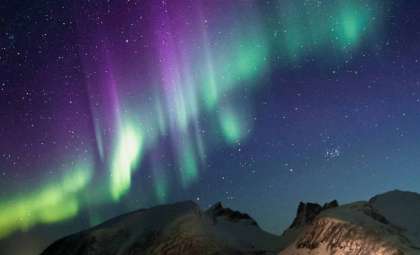
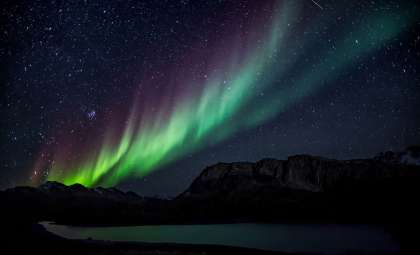
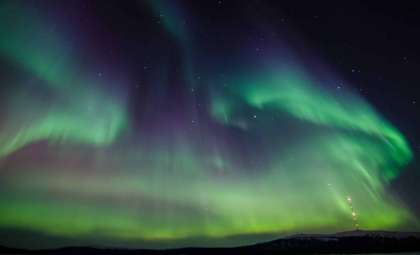
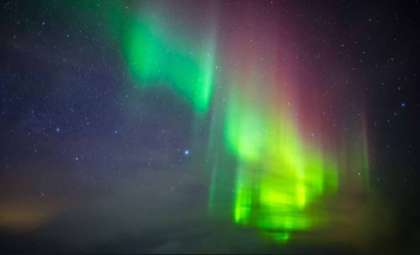
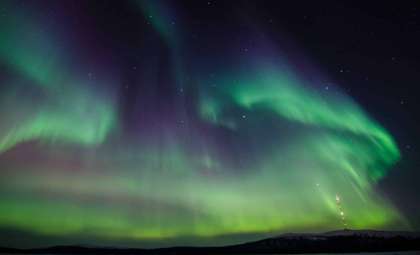
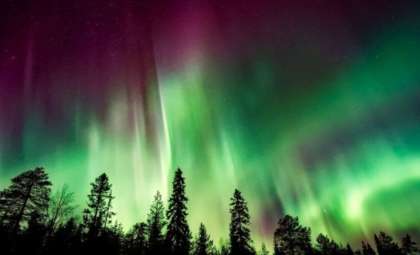
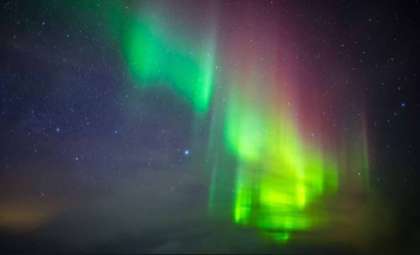
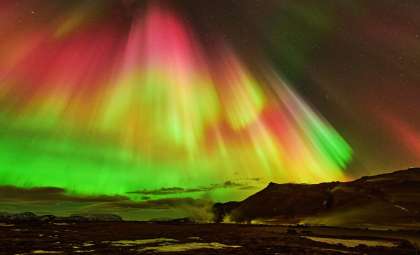
Stargazers across several U.S. states have a chance to witness an extraordinary celestial spectacle this evening. The Northern Lights, or auroras, may become visible from Alaska to Idaho as a swift solar wind stream induces mild geomagnetic storm activity. This event might extend the familiar glow of the auroras further south than usual.
The National Oceanic and Atmospheric Administration’s (NOAA) Space Weather Prediction Center has forecasted that the geomagnetic disturbance will reach its height overnight.
Understanding the Northern Lights Phenomenon
The auroral lights occur when solar-charged particles collide with Earth's magnetic shield, emitting light as a byproduct. This process intensifies during solar storm events when the solar wind streams become stronger.

NOAA reports that tonight’s geomagnetic storm is caused by a high-velocity solar wind flowing from a solar coronal hole. This flow is predicted to boost auroral visibility in locations that typically see minimal or no aurora activity.
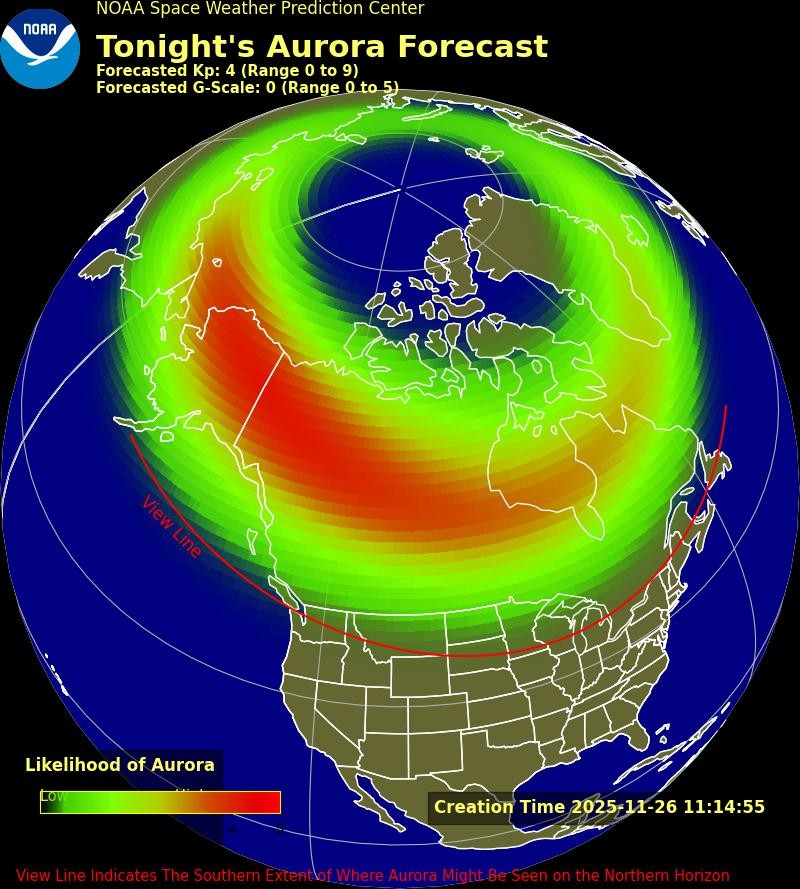
Successful aurora viewing depends on favorable conditions such as clear skies and active solar wind. The forthcoming storm is expected to reach minor or G1 level geomagnetic activity, which should be sufficient to make the lights noticeable, especially in regions not usually part of the auroral zone.
Top Spots to Witness the Northern Lights Tonight
Observers in up to 10 states might spot the northern lights as they appear further south than normal. The best vantage points include regions in Alaska, Washington, North Dakota, Minnesota, Montana, Maine, Michigan, Wisconsin, South Dakota, and Idaho.
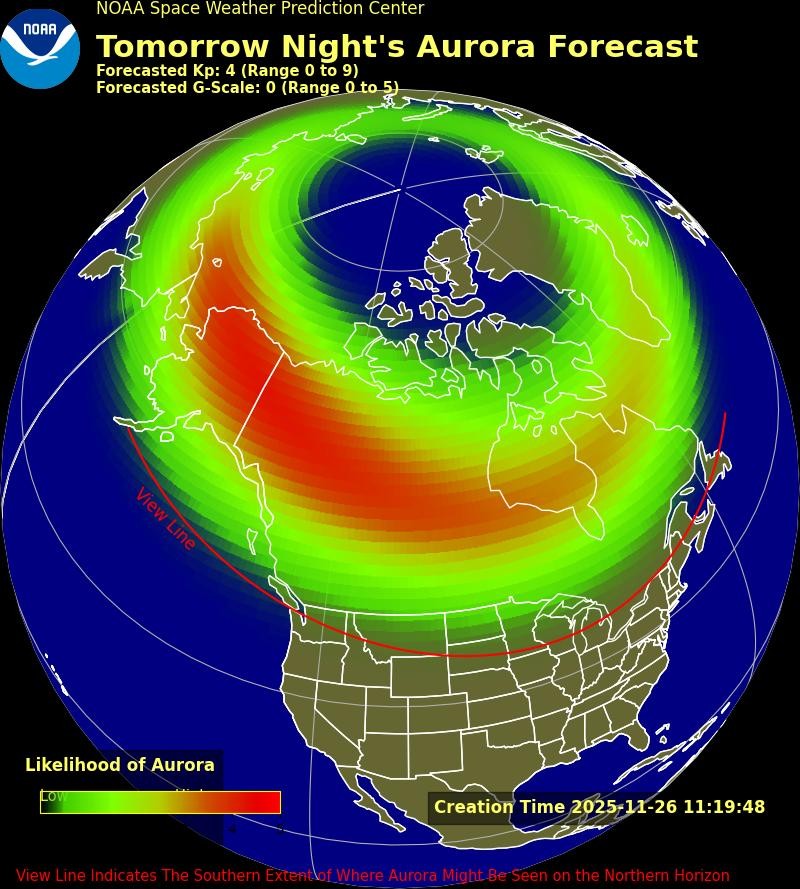
While the most vivid displays will likely occur in northern states, those in southern areas may benefit from darker skies and minimal light pollution, enhancing the viewing possibility. Aurora enthusiasts are encouraged to seek open, northern-facing spots away from city lights. Keep an eye on the sky between 4 p.m. and 1 a.m. EST to catch the best moments.
Tips for Photographing the Northern Lights
For those eager to document the auroras, preparation and patience are key. The U.S. National Weather Service suggests that smartphone cameras can detect subtle auroras before they become visible to the naked eye, aiding in locating the brightest patches.
Allowing your eyes to adjust to darkness for around 30 minutes will improve night vision and make faint auroras easier to notice.
To stay informed, downloading apps like My Aurora Forecast & Alerts or Space Weather Live can provide real-time updates on space weather and aurora conditions for optimal planning.
- Categories:
- News


0 comments
Sign in to Comment