
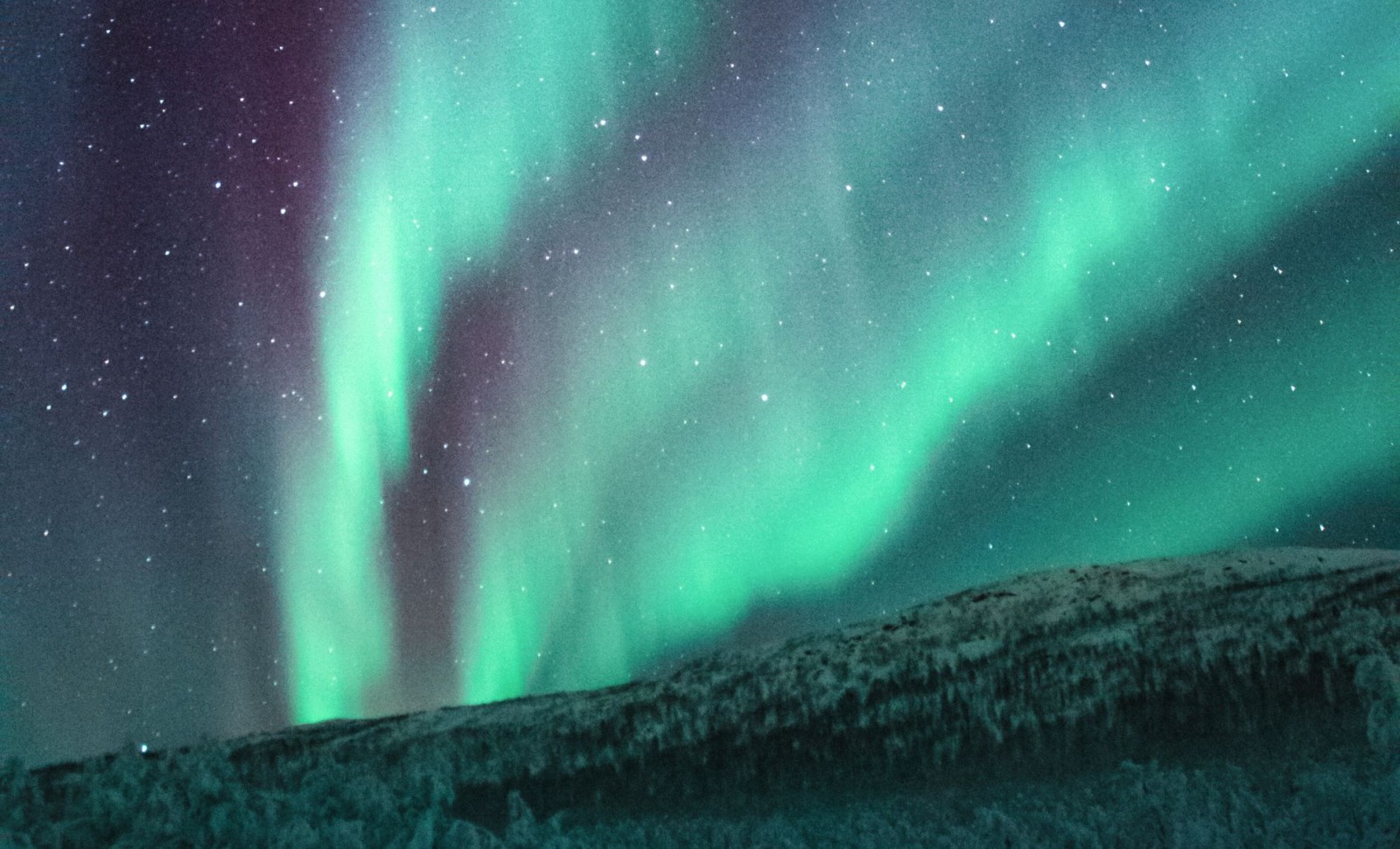
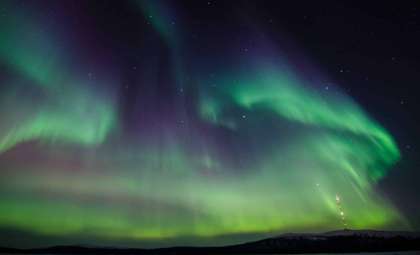
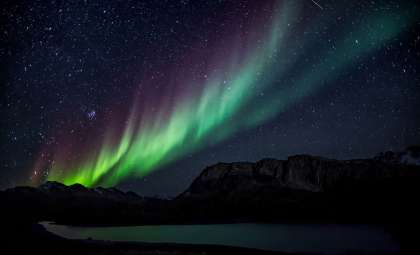
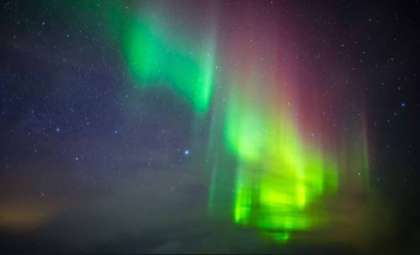
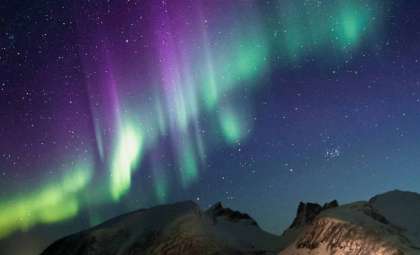
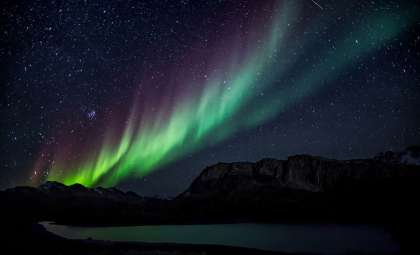
An unusual opportunity to witness the northern lights is approaching on December 22, 2025. Persistent fast solar winds are triggering minor geomagnetic storms, likely producing vivid auroras across northern latitudes this evening. This natural light show promises an enchanting experience for those in the far northern regions.
Due to ongoing solar wind activity from the Sun, favorable conditions continue for geomagnetic disturbances that spark the aurora borealis. While these phenomena usually appear at high latitudes, tonight’s auroral activity might be visible in northern parts of the U.S., Canada, and Europe.
What Causes the Mesmerizing Aurora Borealis?
The Northern Lights occur when charged particles from solar wind collide with Earth's magnetic field, releasing energy as colorful light emissions. Though these storms tend to be mild, the resulting bursts of vibrant colors dancing across the sky remain truly spectacular.

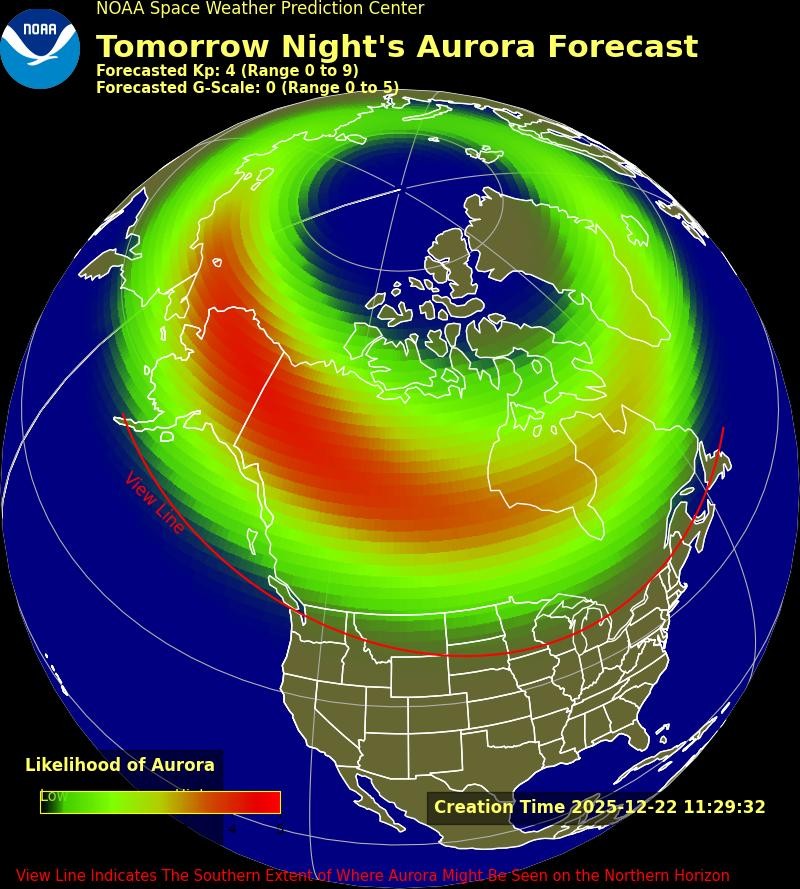
The Space Weather Prediction Center reports that swift solar winds, traveling at speeds of 500 to 800 kilometers per second, are driving the current surge in aurora activity. These winds agitate Earth's magnetosphere, setting the stage for dazzling auroral displays.
How Geomagnetic Storms Generate Northern Lights
NOAA explains that geomagnetic storms are classified from G1 (minor) to G5 (extreme). Presently, conditions correspond to G1-G2 levels. While tonight's auroras may not match the intensity seen during powerful solar events, the ongoing geomagnetic activity still makes it a prime night for aurora enthusiasts in typical viewing locations. ²
As the solar wind continues to disturb Earth's magnetic environment, it generates bursts of energy that display as glowing auroras. Researchers note these storms are typically short-lived yet produce mesmerizing light shows for those lucky enough to find clear skies. Given the current solar activity, the auroras could remain visible into the early hours of December 23.
Best Spots for Watching the Northern Lights Tonight
For optimal aurora viewing, observers should aim for locations at or above the Arctic Circle. Northern Canada, Alaska, and Scandinavia are expected to offer the clearest spectacle of geomagnetic storm effects. According to space weather forecasts, these high-latitude areas experience the strongest displays due to their proximity to Earth's magnetic poles.
Within these polar zones, auroras usually appear brighter and can span the entire night sky. People residing in middle-latitude zones such as parts of the northern U.S. and Europe might also glimpse these lights, though they are likely to be less vivid and more localized. A clear night sky is crucial, as cloud cover can easily block the view of the aurora even in prime observing locations.
- Categories:
- News




0 comments
Sign in to Comment