
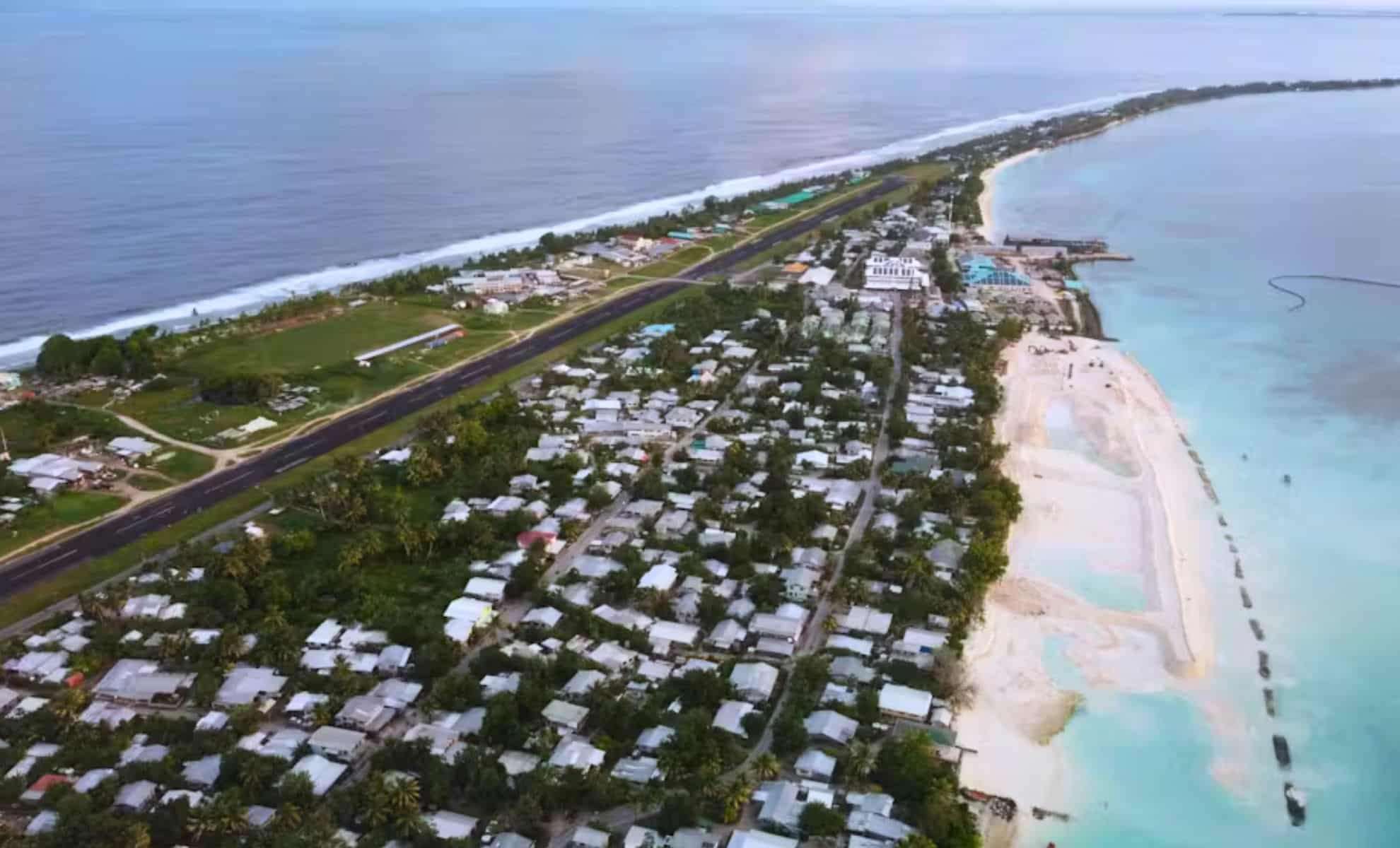
The island nation of Tuvalu faces an unprecedented challenge: planning the complete relocation of its population due to climate change. Data from NASA’s Sea Level Change Team in 2023 revealed that sea levels near Tuvalu have increased by 15 centimeters compared to the average over the previous three decades. With an average elevation of just two meters above sea level, this small nation confronts a creeping crisis that may submerge much of its land within 25 years.
Tuvalu’s Culture and Land Threatened by Rising Oceans
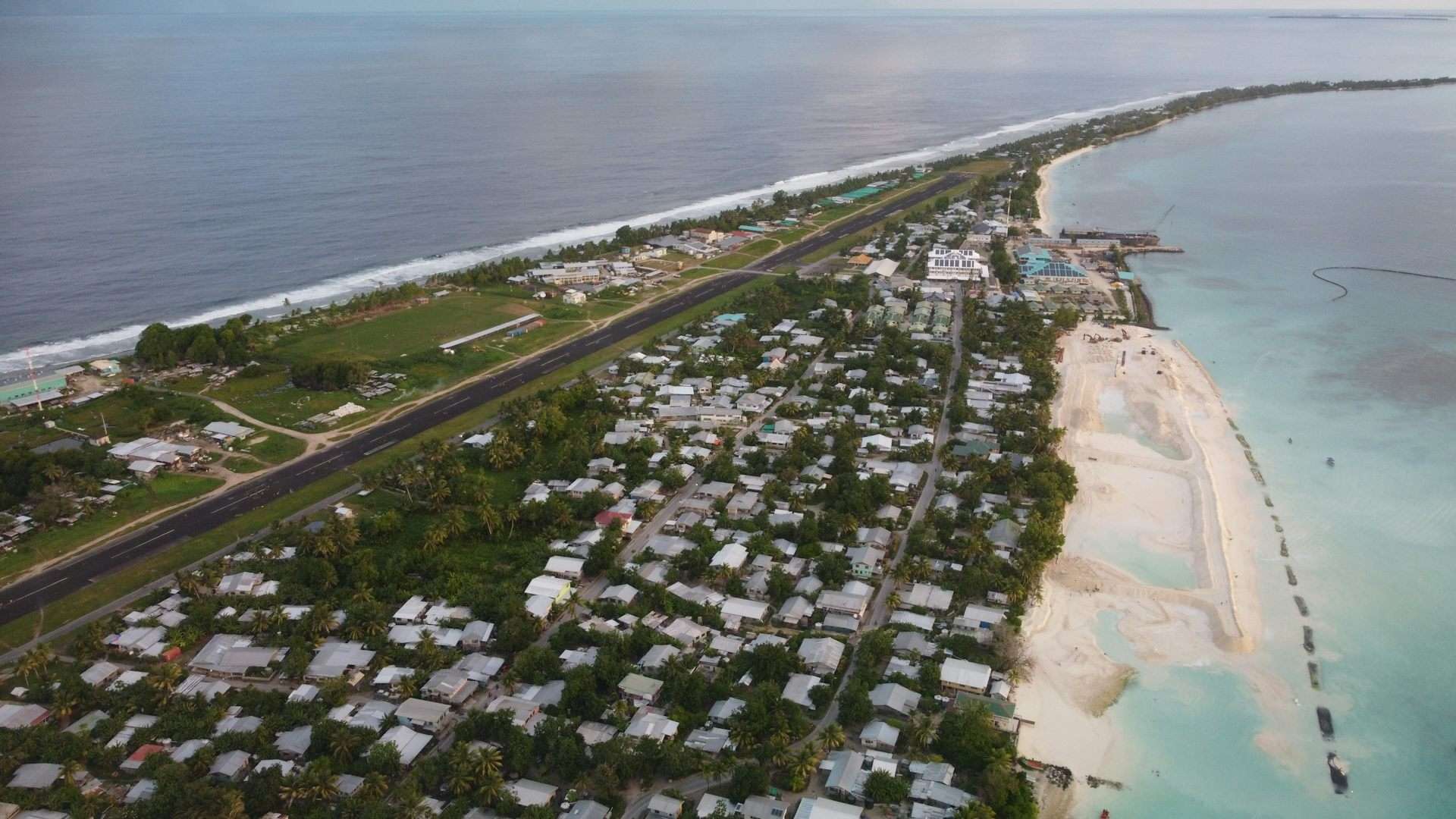
Comprising nine coral atolls and islands, Tuvalu is home to slightly more than 11,000 residents. Its low-lying terrain makes it highly susceptible to flooding along its coasts, intense storm surges, and saltwater contamination. According to NASA’s projections, if current trends persist, key infrastructure such as airports, housing areas, and freshwater supplies may be submerged by 2050.
The threat extends beyond the physical landscape — it endangers Tuvalu’s traditions and way of life. Fishing customs, close-knit communities, and spiritual ties to the land are integral to the nation’s identity. As extreme weather events intensify, the people witness not only physical losses but also the erosion of their cultural legacy.

The Falepili Union Marks a Pioneering Climate Migration Pact
In late 2023, Tuvalu and Australia formalized the Falepili Union Treaty, regarded by experts as the world’s inaugural bilateral agreement on climate-related migration. Under this pact, 280 citizens of Tuvalu annually are granted permanent residency in Australia, enjoying full rights to healthcare, education, and employment. Applicants enter a ballot system ensuring an equitable selection process.
The response was swift and intense: within just four days, the program received 8,750 requests, exceeding a third of the nation’s total population. The Conversation indicated that this surge reflects the dual forces of urgency due to environmental threats and the pursuit of better opportunities, especially among young families seeking education and job security in Australia.

Although the visa initiative does not explicitly reference climate change, the treaty itself addresses what Tuvalu’s officials term an “existential threat” posed by rising sea levels. Australia’s Foreign Minister Penny Wong emphasized that the agreement offers Tuvaluans “an opportunity to relocate with dignity as the climate crisis escalates.”
Ensuring National Identity Beyond Physical Borders
Emigration does not signify the extinction of Tuvalu’s sovereignty in the traditional sense. In 2022, the government launched an ambitious plan to establish the world’s first digital nation. By employing 3D scanning technology, Tuvalu seeks to digitally archive its islands’ landscapes, cultural landmarks, and historical treasures.
Along with these virtual efforts, several governmental operations will be transitioned to an online environment, safeguarding the nation’s sovereignty, citizenship rights, and maritime borders even if the islands become uninhabitable. Prime Minister Feleti Teo has called upon the global community to acknowledge such models, advocating for an international treaty that secures the rights and sovereignty of nations threatened by rising seas.
A Global Signal Amid Escalating Sea Level Rise
Tuvalu’s distress is emblematic of a broader global trend. NASA reports that worldwide sea levels have climbed by 10 centimeters since 1993, with the pace of increase doubling during this period. Certain regions, such as the Gulf of Mexico, experience sea level rise at triple the global rate, underscoring the vulnerability of many low-lying coastal zones.
Currently, Tuvalu’s relocation strategy stands as a rare, forward-thinking example of adaptation to climate change. However, experts caution that migration carries complex consequences. As former Kiribati President Teburoro Tito observed, while migration can boost a country’s economy via remittances, it risks depleting the skilled labor needed to sustain domestic development.
- Categories:
- News











0 comments
Sign in to Comment