
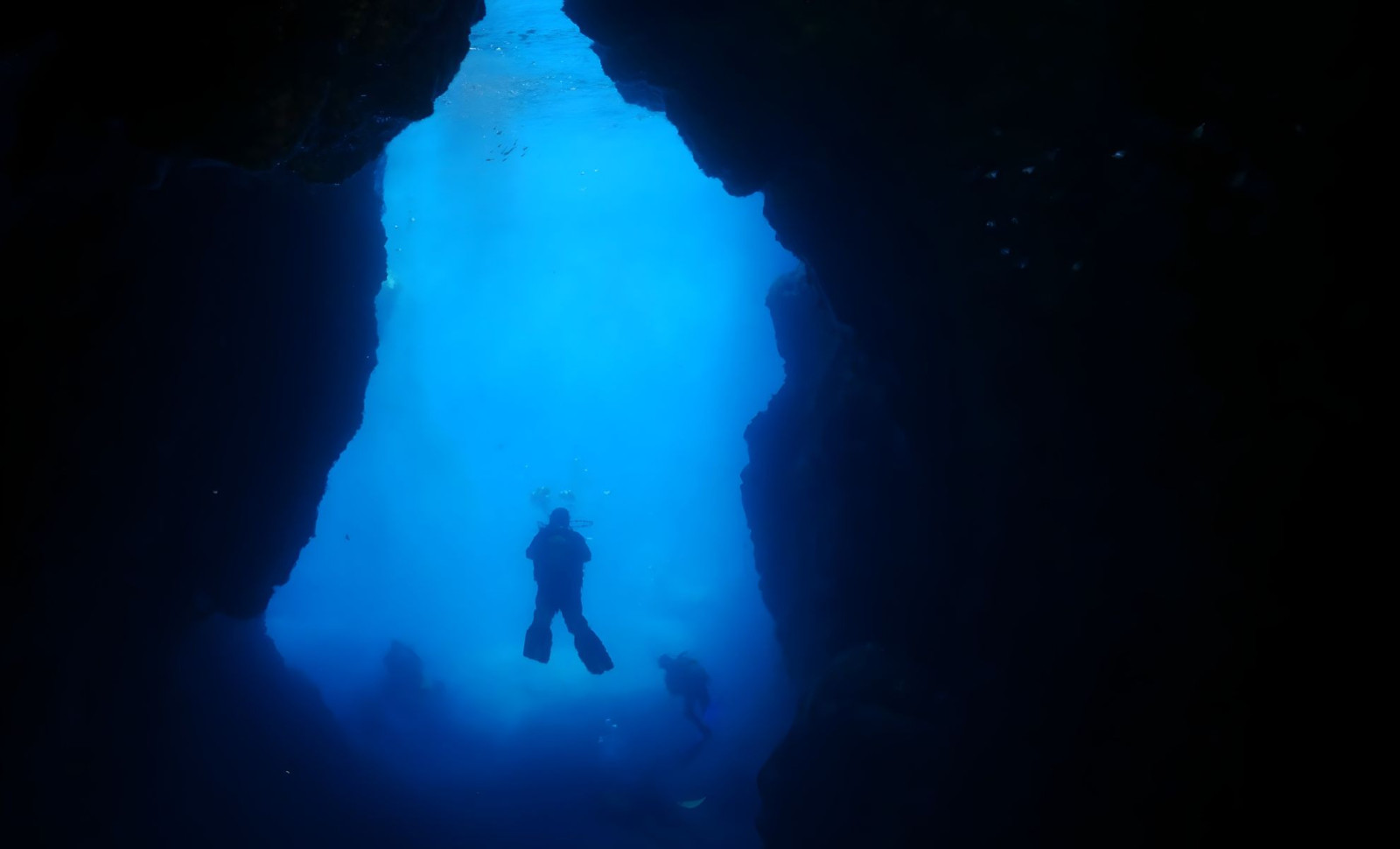
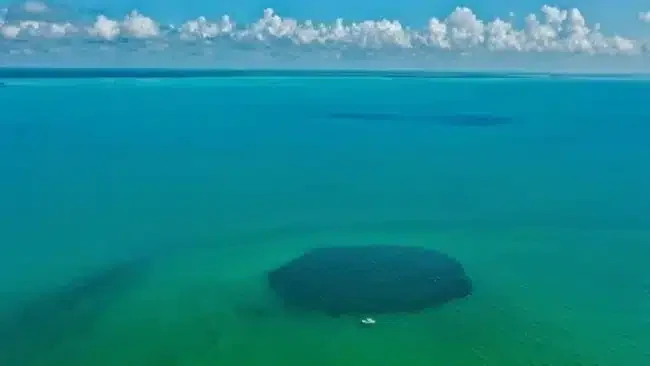
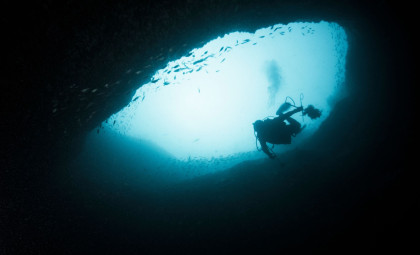
Researchers have identified a newly found blue hole in Mexico’s Chetumal Bay that surpasses all others in depth. Named the Taam Ja’ Blue Hole, it descends to at least 1,380 feet (420 meters), with its maximum depth still unknown. Experts suspect it connects to a vast underwater cave system filled with unexplored ecosystems.
An Unprecedented Deep-Sea Find
Situated in the southeastern waters off the Yucatán Peninsula, the Taam Ja’ Blue Hole was initially charted in 2021, but December 2023 measurements confirm its status as the deepest blue hole on Earth.
The findings, detailed in Frontiers in Marine Science, reveal the abyss reaching at least 1,380 feet (420 meters). During exploration, scientists utilized a conductivity, temperature, and depth (CTD) profiler, which detected distinct water strata with variations in temperature and salinity implying a link to a submerged network of caves.

While blue holes frequently occur in regions rich in soluble rocks such as limestone, this discovery stands out due to both its unprecedented depth and geological intricacy.
Mysterious Submerged Tunnels
The CTD profiler recorded shifts in temperature and salinity beyond depths of 1,312 feet (400 meters), similar to nearby reefs and Caribbean Sea conditions. This suggests the blue hole could be part of an extensive subterranean cave network below the bay.
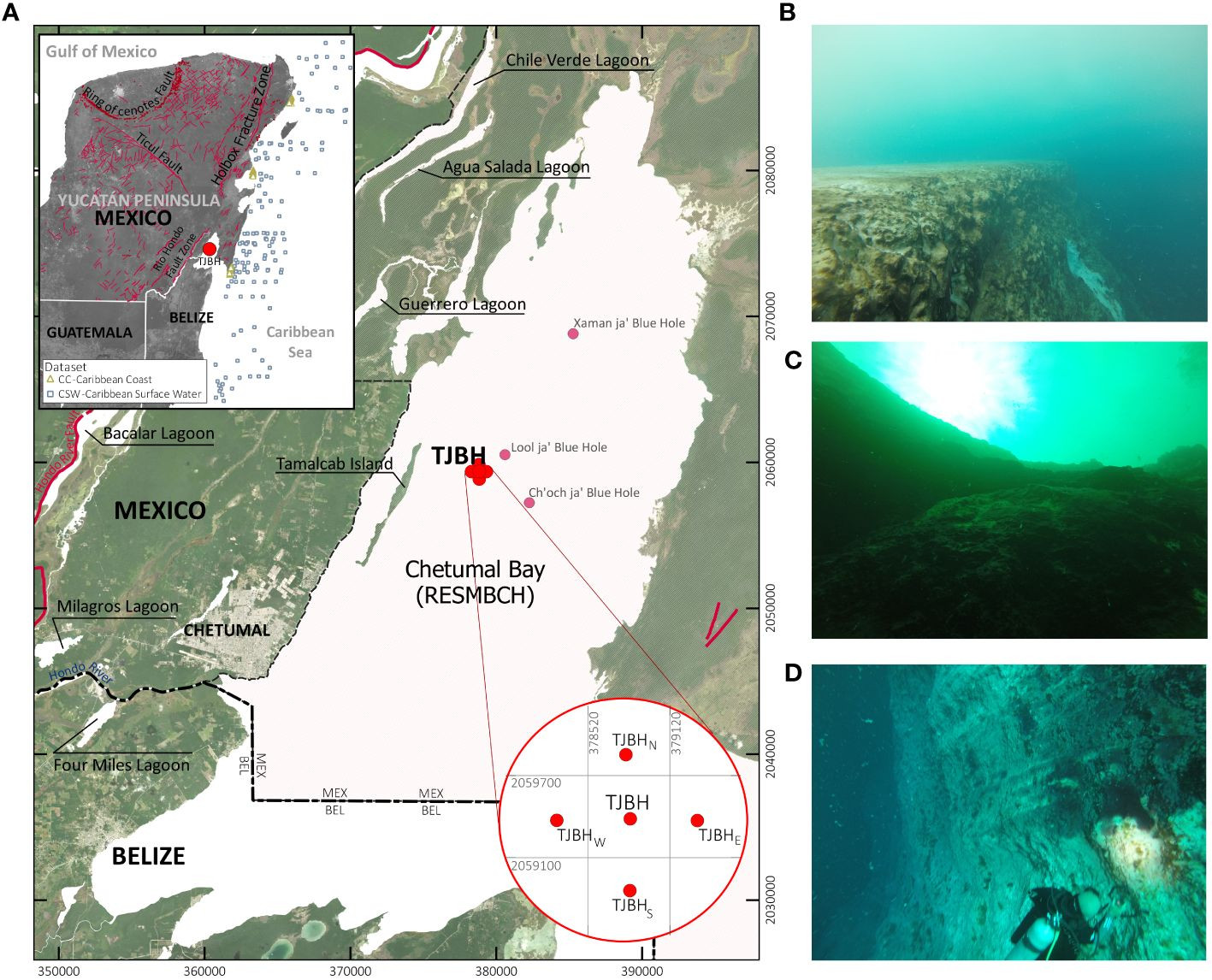
The study posits the cavern as a portal to an intricate system of underwater passages.
Challenges in Determining Exact Depth
Despite advances in marine exploration technologies, obtaining precise depth measurements proved tricky. Initially, researchers used an echo sounder that emits sound waves to gauge depth, but the blue hole’s complex shape and varying water densities complicated results.
“Echosounding techniques were employed to delineate the morphological features within the blue hole in 2021, resulting in a maximum recorded water depth of 274 meters and resembling a conic shape,” explained Juan Carlos Alcérreca Huerta, a Mexican scientist specializing in coastal engineering and the study of complex aquatic systems.
Exploring Greater Depths
During the 2023 field expedition, researchers deployed the CTD profiler for refined readings, though the equipment maxes out at 1,640 feet (500 meters) and was unable to reach the seafloor.
“On December 6, 2023, a scuba diving expedition was conducted to identify the environmental conditions prevailing at the TJBH,” the researchers wrote in the study. “Recent CTD profiler records in TJBH surpassed 420 mbsl [meters below sea level] with no bottom yet reached, establishing the TJBH as the deepest-known blue hole globally.”
Looking ahead, scientists are planning further missions using enhanced technology aiming to finally reach and map the blue hole’s base.
- Categories:
- News




0 comments
Sign in to Comment