
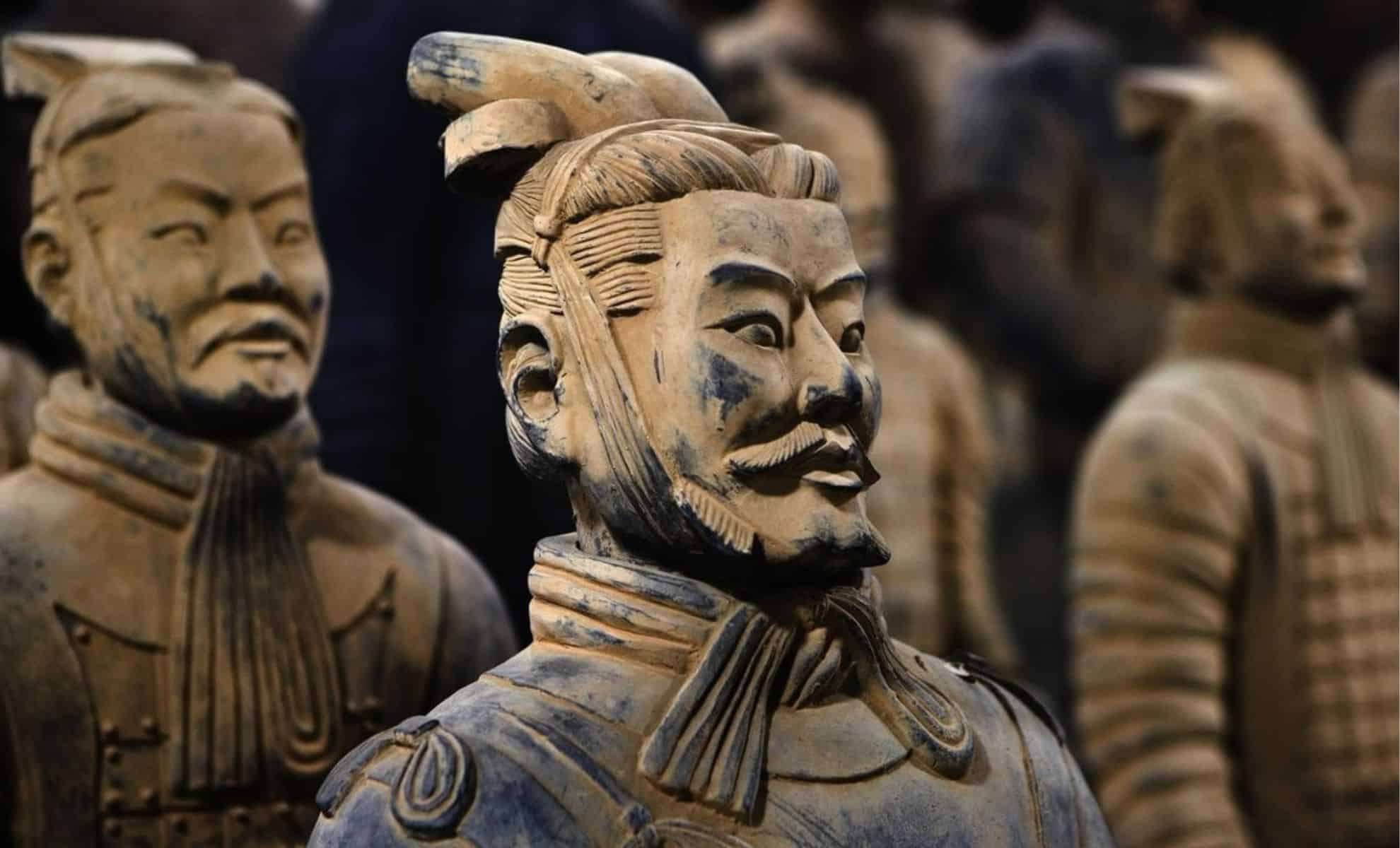
Perched atop the breezy Tibetan Plateau at over 14,000 feet (4.27 km) above sea level, an ancient stone inscription has ignited fresh scholarly discussions, shedding new insight into a centuries-old enigma of China. The inaugural ruler, Qin Shi Huang, is renowned for his drive to unify the nation and defy mortality. Yet this newly found artifact proposes that his famed quest for immortality may have included not just eastern expeditions but also ventures toward the mythical Mount Kunlun in the west.
Unearthing a Historical Message
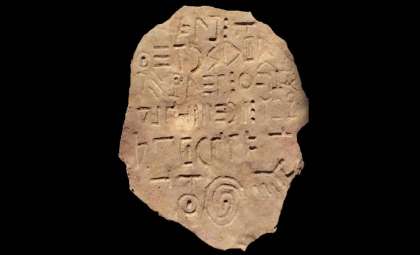
The artifact was uncovered in 2020 by an archaeological team under the leadership of Tong Tao from the Chinese Academy of Social Sciences. While excavating near Zhaling Lake in Qinghai province, on the lake’s northern edge at an elevation exceeding 4,300 meters, the group found a 37-character inscription. Carved in the characteristic script of the Qin dynasty, the text appears to document an expedition ordered by Qin Shi Huang around 221 BC.
Reported by the South China Morning Post, the inscription narrates how five senior officials undertook a western journey toward the legendary Mount Kunlun—a place steeped in Chinese myth and closely linked to the pursuit of everlasting life. Their mission purportedly involved seeking the elixir of life, setting out from central China into the challenging landscapes that now comprise Qinghai.

The Western Expedition: Chasing the Fountain of Immortality
This discovery enriches the existing narrative about Qin Shi Huang’s legendary attempts to secure eternal life, historically centered on the alchemist Xu Fu’s eastern voyage, potentially toward Japan.
For generations, the eastern route was seen as the emblematic endeavor in the emperor’s pursuit. However, the newly revealed Qinghai inscription hints at another, less publicized western expedition. It documents how five envoys journeyed over 75 kilometers from Zhaling Lake toward the mystical Kunlun Mountains, which Taoist teachings refer to as the “mountain of the gods”.
Beyond its historical value, this inscription holds importance as a potentially unique artifact. Researcher Tong Tao describes it as the most intact Qin dynasty inscription found in situ, offering a direct window into the emperor’s expansionist and spiritual aspirations.
Skepticism Surrounding the Inscription’s Legitimacy
Despite the enthusiasm, some historians remain cautious. Doubts have been raised about the inscription’s validity. Xin Deyong, a history professor at Peking University, warned that the artifact could be a modern counterfeit, calling it a striking example of sophisticated stone forgery in a public statement.
Critics like Liu Zongdi of Beijing Language and Culture University note inconsistencies in the dating. The tablet claims the mission reached its destination in March during the 26th year of Qin Shi Huang’s reign (around 221 BC), appearing to conflict with accepted historical timelines.
The language used also troubles experts, as phrases like “采药” (“to collect medicinal herbs”) have not been documented in Qin or early Han texts. Such linguistic details have led some scholars to suggest that the inscription could originate from the Yuan dynasty (1271–1368 AD), a period when China governed the region.
The Timeless Debate Over Mount Kunlun’s Location
Mount Kunlun has spurred centuries of scholarly debate regarding its precise whereabouts. Mentioned in ancient Chinese literature such as the “Classic of Mountains and Seas”, Kunlun holds mythological significance rooted in Taoist tradition. Yet its exact site remains contested, with regions like Xinjiang and Qinghai both proposed as candidates.
This ambiguity intensifies the intrigue around the inscription. Should the tablet prove genuine and the westward expedition authentic, it underscores Qin Shi Huang’s profound embrace of Taoist philosophy and his unyielding desire to attain immortality. Pinpointing Kunlun’s location—whether in Qinghai, as the inscription suggests, or elsewhere—remains a pivotal piece in unraveling the emperor’s legendary tale.
- Categories:
- News











0 comments
Sign in to Comment