
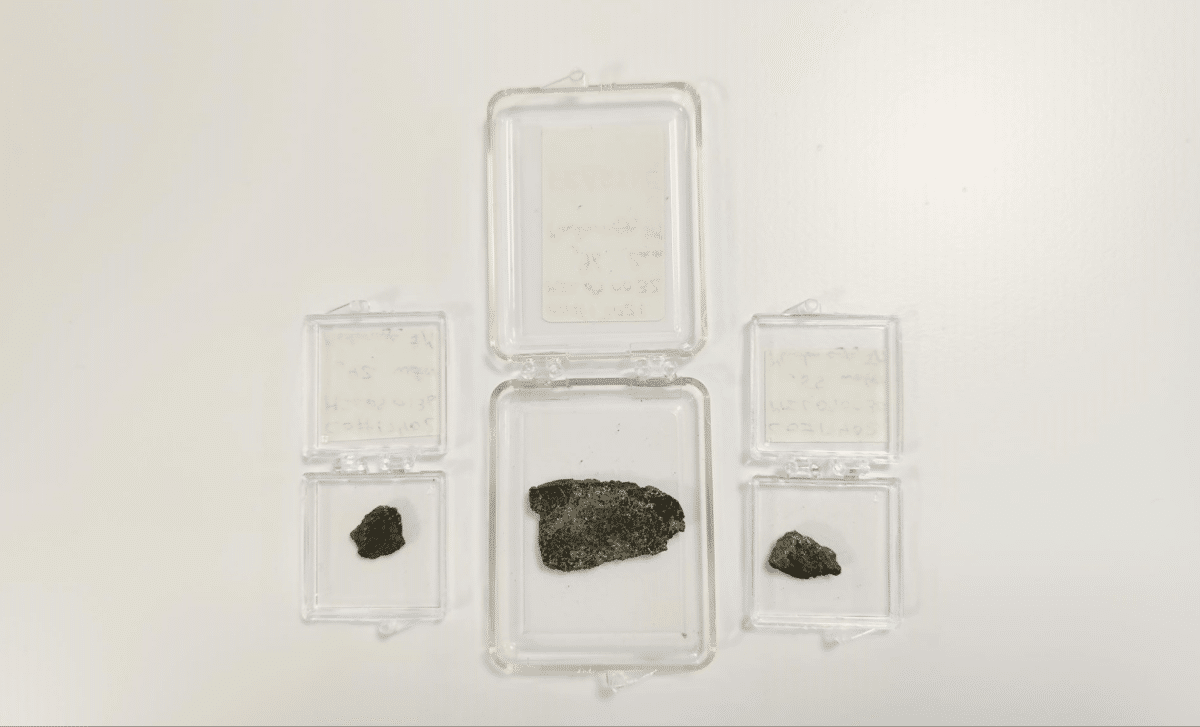
Researchers detected residues of ballpoint pen ink within meteorites originating from Mars, revealing surprising contamination issues that prompt a reevaluation of sample preparation techniques in planetary science. Featured in Applied Geochemistry, the investigation conducted by the University of the Basque Country underscores the unforeseen pitfalls in handling and processing materials from beyond Earth, posing challenges that could affect the reliability of forthcoming space exploration missions. This finding highlights the urgent need to improve handling protocols to prevent contamination that could mask the scientific value of these rare Martian fragments.
Unexpected Discovery: Pen Ink in Samples from Mars
Mars meteorites present a unique resource for unraveling the Red Planet’s composition. Yet, maintaining their pristine condition during Earth-based investigations remains problematic. In a recent study, scientists uncovered an unexpected contaminant: traces of ballpoint pen ink embedded in the samples. Importantly, this ink was introduced not on Mars, but during Earth-side handling and preparation of the meteorites prior to examination.
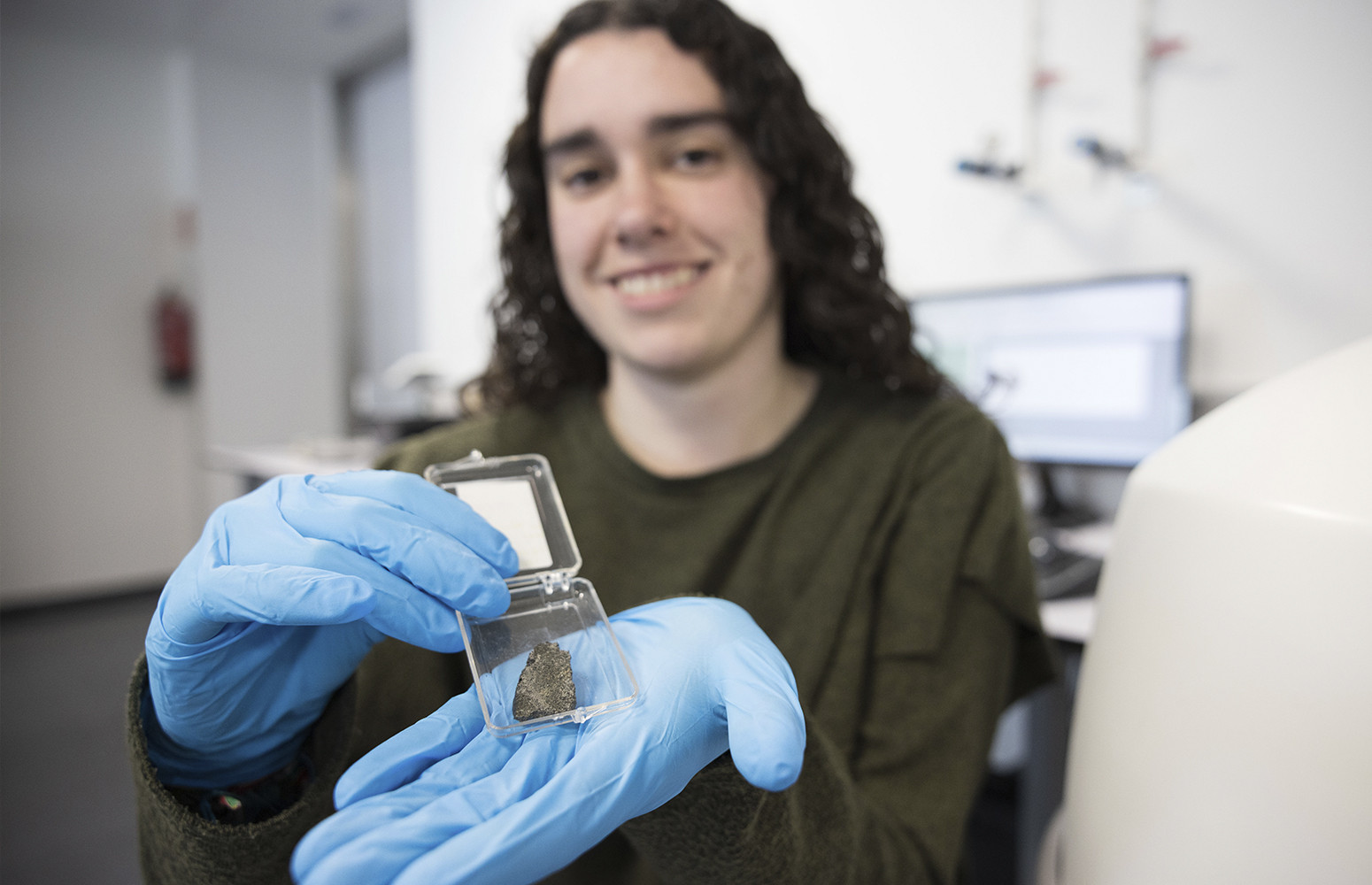
Experts at the University of the Basque Country examined six prepared slices from Martian meteorites gathered between 2001 and 2014. These pieces underwent various cleaning and cutting steps, such as ultrasonic cleansing and diamond saw sectioning, designed to remove external layers and expose inner structures for study. Nevertheless, analysis showed that contamination persisted, including the presence of ink. The team emphasized, “As planetary sample return missions advance, developing contamination-conscious processing measures is increasingly critical.” This discovery brings attention to the complexities and vulnerabilities in handling valuable extraterrestrial samples, advocating for stricter and more uniform preparation standards.

Navigating the Challenges of Sample Preparation
Careful preparation of celestial samples after their return to Earth is among the toughest hurdles facing planetary analysis. The re-entry process itself alters the samples’ composition.
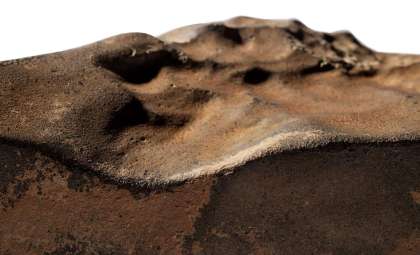
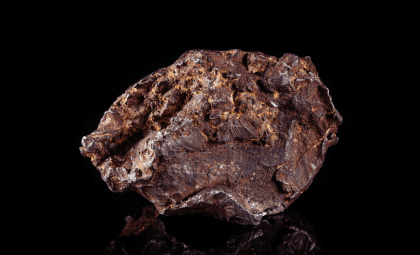
“When [rock samples] pass through the Earth’s atmosphere… They undergo changes—usually caused by high temperatures and pressures—which generally result in a sort of crust forming on them,” explained Leire Coloma, one of the study’s co-authors and an analytical chemist.
This crust formation complicates efforts to analyze the meteorite’s original mineral content. Removing this exterior layer is crucial but not straightforward, as highlighted by the contamination issues revealed. Utilizing Raman spectroscopy to probe chemical composition, researchers detected various contaminants including copper-based compounds, synthetic organics from pen inks, and polyester fibers possibly from clothing. These findings raise concerns about how representative the studied samples are of true Martian material since Earth-based contaminants remain present despite rigorous cleaning procedures.
Enhancing Contamination Prevention for Space Missions
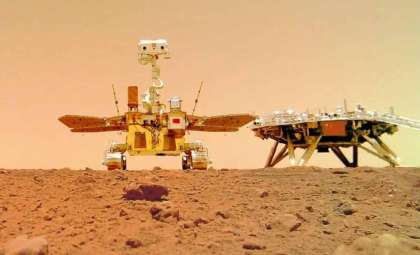
The study’s conclusions also stress the necessity for advancing contamination controls in upcoming space exploration, such as NASA’s ongoing mission with the Perseverance rover, which returns Martian material for study. The authors advocate for establishing standardized, contamination-aware protocols at all facilities handling extraterrestrial samples. They note, “The absence of consistent contamination-conscious preparation protocols highlights ongoing challenges for researchers.” The focus extends beyond identifying contaminants to refining methods that minimize or eliminate these interferences.
Agencies like NASA have dedicated extensive efforts to reduce contamination during sample collection and preparation. Nonetheless, this study demonstrates that even comprehensive measures may fall short. Contamination risks arise not only from human handling but also from equipment used during processing. While ink traces might appear minor, they exemplify the intrinsic difficulties of working with material sourced from another world. Guaranteeing contamination-free analysis is essential to preserve the scientific integrity of future extraterrestrial research.
- Categories:
- News






0 comments
Sign in to Comment