
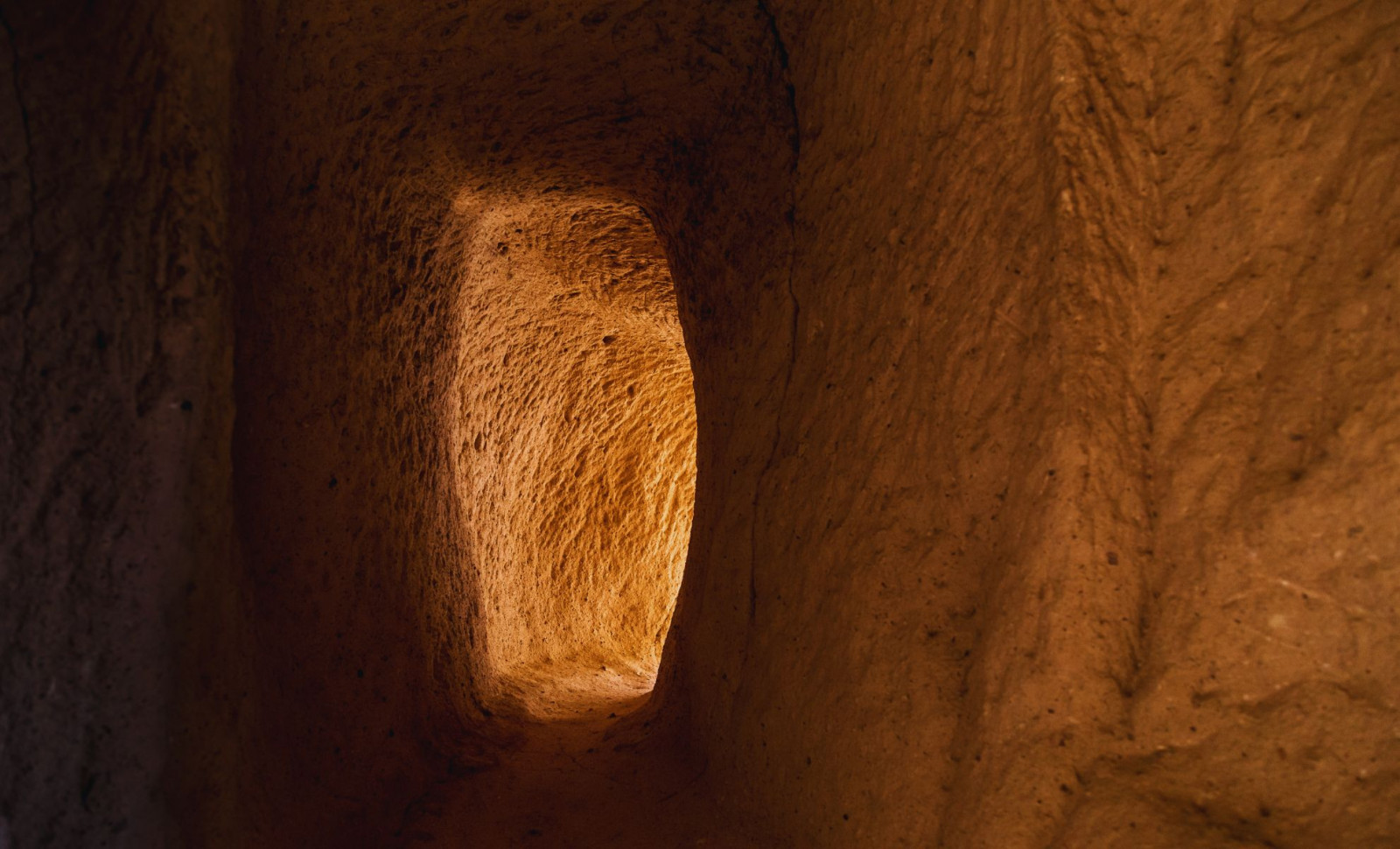
Archaeologists in Saxony-Anhalt have uncovered a slender and unusual subterranean tunnel that connects medieval activities with a far older Neolithic location. Tucked inside a prehistoric enclosure, this discovery offers a unique glimpse into how ancient sites were repurposed through different eras.
The tunnel was found near Reinstedt, in the Harz district, during excavation work conducted prior to the installation of wind turbines on Dornberg hill. What initially appeared to be a simple feature took on greater significance upon further examination.
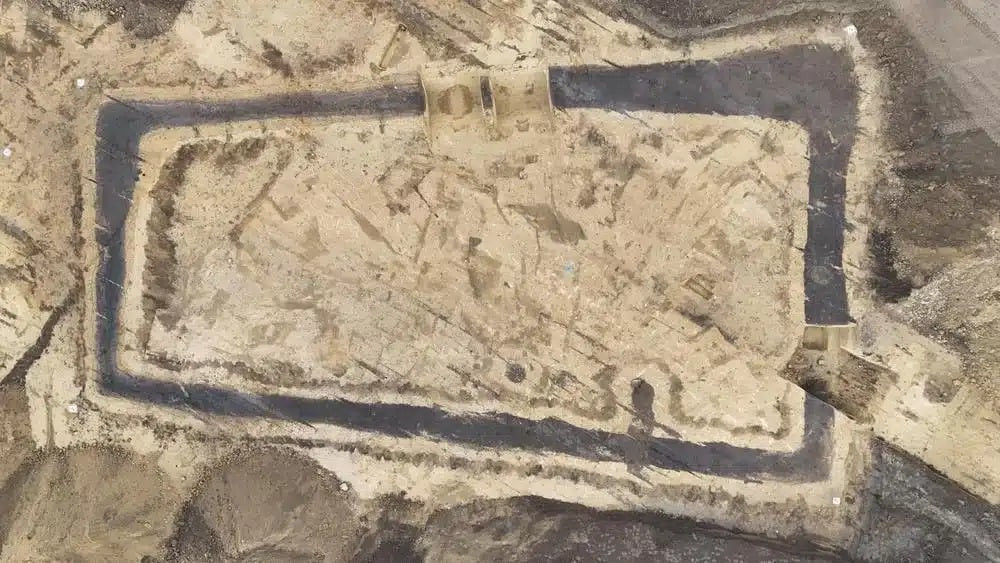
The site was already recognized as a funerary landscape. Archaeologists had previously documented crouched burials from the Late Neolithic, along with evidence of a probable Bronze Age burial mound, indicating repeated use over millennia.

Continuously Revisited Site Across Millennia
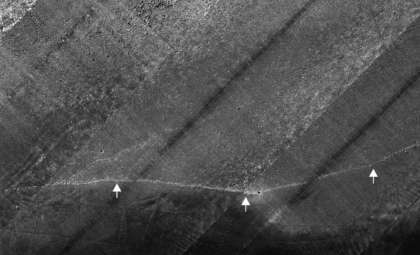
Central to the excavation is a broad ditch associated with the Baalberge culture, originating in the fourth millennium BCE. According to a statement from the State Office for Heritage Management and Archaeology (LDA), this feature represents the earliest phase of human activity at the site.
Subsequent findings confirmed the site's ongoing importance. The excavation team noted that the presence of later burials implies the area maintained significance for successive cultures, even if the precise motivations remain uncertain.
“The question arises as to how to interpret the findings. Perhaps the site, due to its significance as a pagan grave, was generally avoided by the local population and therefore particularly well-suited as a hiding place,” remarked the LDA.
Not a Burial, But a Secret Passage
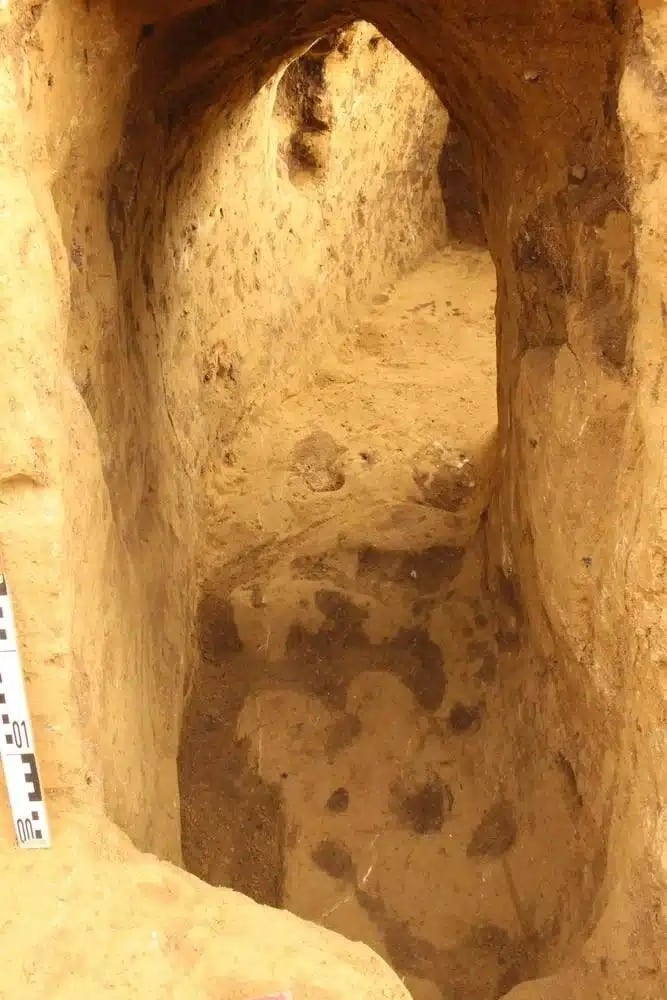
The underground corridor initially resembled an oval pit about two meters in length and up to 75 centimeters wide, sealed by a heavy stone slab that led researchers to first suspect a tomb. This interpretation was soon dismissed.
Closer inspection showed that the fill slanted northward into dense loess soil, a windblown sediment known for its firmness. Additionally, fragments of late medieval ceramics indicated a usage period much later than initially thought.
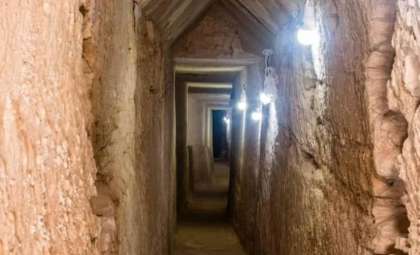
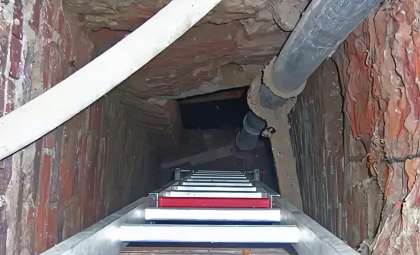
Experts identified this as an Erdstall, a man-made narrow subterranean tunnel typically found in loess soils. The passageway has a slight curve, measures approximately one to 1.25 meters in height, and ranges from 50 to 70 centimeters wide. Unique features include a carved step, a recessed wall niche, and a vaulted roof.
“It quickly became clear that this was a so-called ‘Erdstall’,” the LDA noted, describing these structures as narrow underground passages sometimes featuring chamber-like extensions.
Evidence Points to Intentional Sealing of the Tunnel
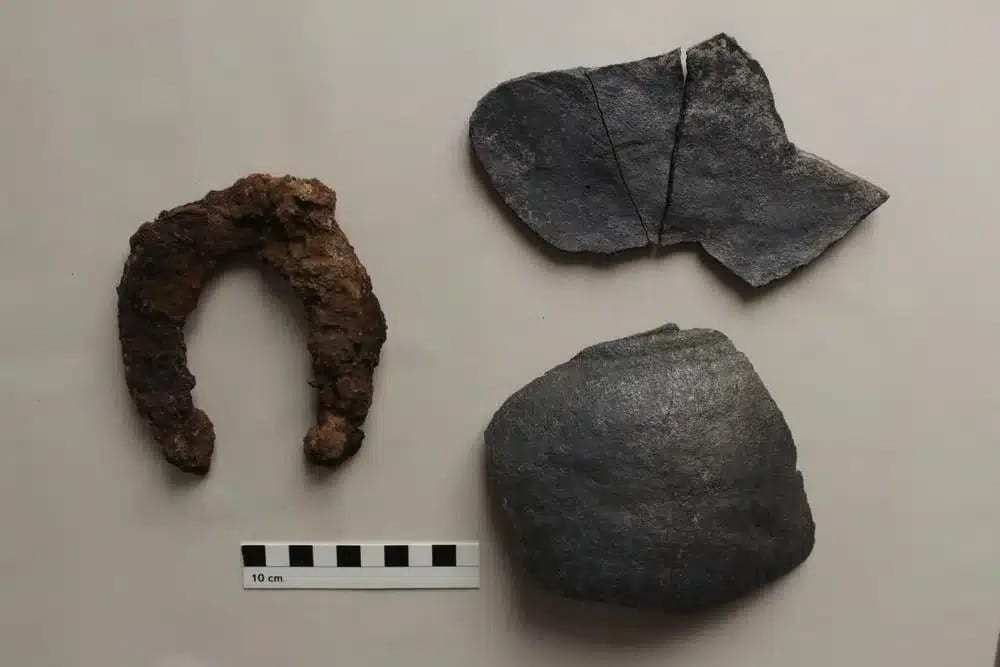
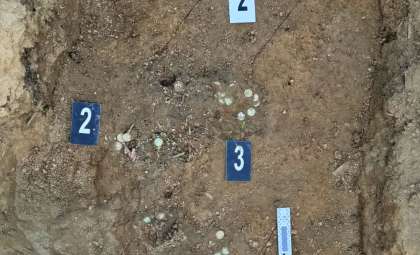
Artifacts discovered within the tunnel deepen the mystery. According to excavation records, archaeologists found an iron horseshoe, remains of a fox skeleton, and several fragments of small animal bones. A thin charcoal layer was also noted at the base.
The hardened soil showed no signs of extensive burning, suggesting a brief, low-intensity fire rather than prolonged use. Near the narrowest section of the entrance, heavy stones had been meticulously piled, indicating the tunnel was blocked deliberately.
The team further suggested that medieval attitudes toward ancient burial places, often considered taboo, could explain why such a concealed space was fashioned in this rarely visited location.
- Categories:
- News





0 comments
Sign in to Comment