
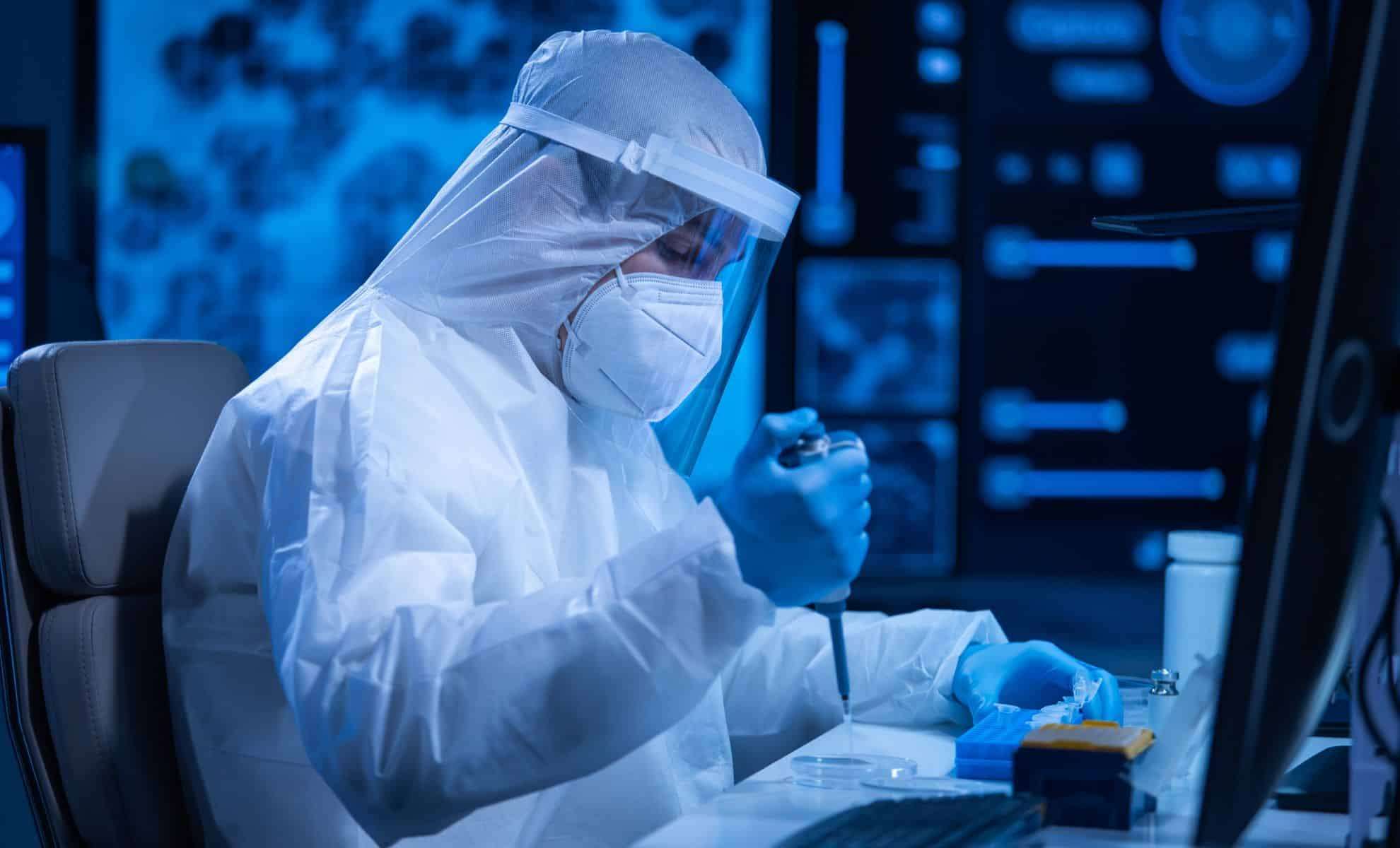
Researchers at NASA have stumbled upon 26 new species of bacteria, a finding that challenges prevailing ideas about microbial control in space mission facilities and opens doors for advances in biotechnology and medicine. These bacteria were located within an environment considered one of the most sanitized on the planet: the clean room at NASA’s Jet Propulsion Laboratory (JPL) where the Phoenix spacecraft was built back in 2007.
Reevaluating Cleanliness in NASA's Assembly Labs
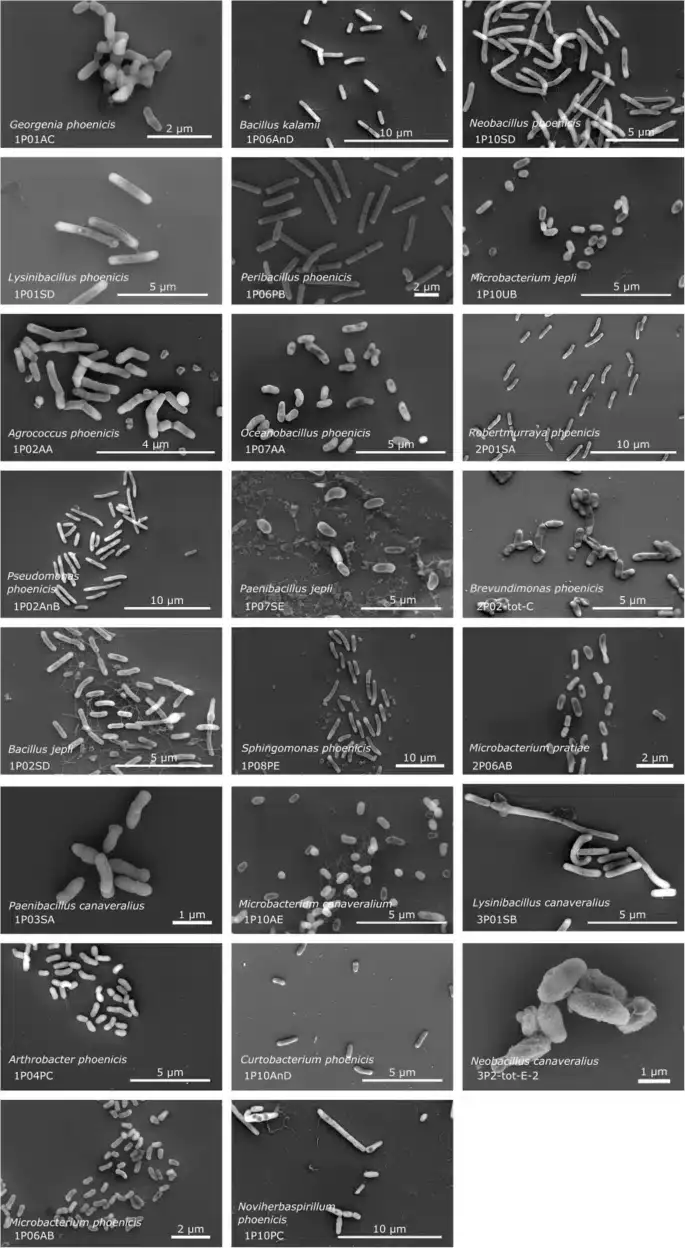
This surprising revelation emerged from an analysis of 215 bacterial strains gathered from the lab during spacecraft assembly. Some microbes had been present prior to the Phoenix project, while others appeared during the assembly process. Notably, 53 strains corresponded to 26 entirely unidentified bacterial species. The comprehensive results were published in the journal Microbiome.
JPL’s clean rooms are maintained with strict regulation over temperature, humidity, and airflow to eliminate microbial contamination that could affect mission success or lead to unintended biological transfer to space environments.

Despite stringent measures, some bacteria endured intense disinfection routines, exposure to harsh chemicals, and radiation. Microbiologist Alexandre Rosado warned that such hardy microbes “could threaten space missions by contaminating other planets,” emphasizing the critical challenge: if terrestrial microbes can survive sterilized conditions, how reliable will life-detection missions be?
Microbes Defying Radiation and Toxic Environments
The bacteria isolated from the JPL facility displayed extraordinary survival characteristics akin to extremophiles, known for thriving in Earth's most severe habitats. These abilities include enhanced DNA repair, rapid metabolic functions, and toxin neutralization, allowing them to withstand environments fatal to most organisms.
Such microbial toughness suggests a continuous adaptation process in response to repeated sterilization. Researchers emphasize that these bacteria become increasingly resilient when exposed to attempts to eradicate them.
Junia Schultz, a doctoral researcher at KAUST (King Abdullah University of Science and Technology) and co-author of the paper, described these bacteria as “genuine survivors” with promising applications across numerous industries.
Broader Impacts and Industrial Potential
The discovery’s ramifications extend beyond planetary protection concerns. Scientists suggest that genes enabling resistance to chemical and radiation damage could inform the creation of novel drugs, including advanced antibiotics and therapies designed for extreme biological stresses.
The food processing sector might benefit by using these insights to enhance preservation methods, boosting product longevity without relying on artificial additives. Additionally, biotechnological innovations could emerge by leveraging the bacteria's distinctive biochemical traits to produce innovative materials or streamline industrial operations.
NASA is already reassessing and upgrading its sterilization procedures to better safeguard upcoming missions from biological contamination, informed by this groundbreaking research.
Could These Bacteria Thrive Beyond Earth?
A key question is whether these resilient microbes might survive on planets like Mars or similar extraterrestrial locations. Current investigations continue, but their robustness raises important ethical and scientific debates about protecting other worlds.
Their powerful survival strategies could jeopardize experiments searching for extraterrestrial life by contaminating samples or outcompeting native life forms, if any exist.
NASA’s prior research on microbial endurance in near-space environments places this study within a larger framework exploring how life adapts beyond Earth.
- Categories:
- Space






0 comments
Sign in to Comment