
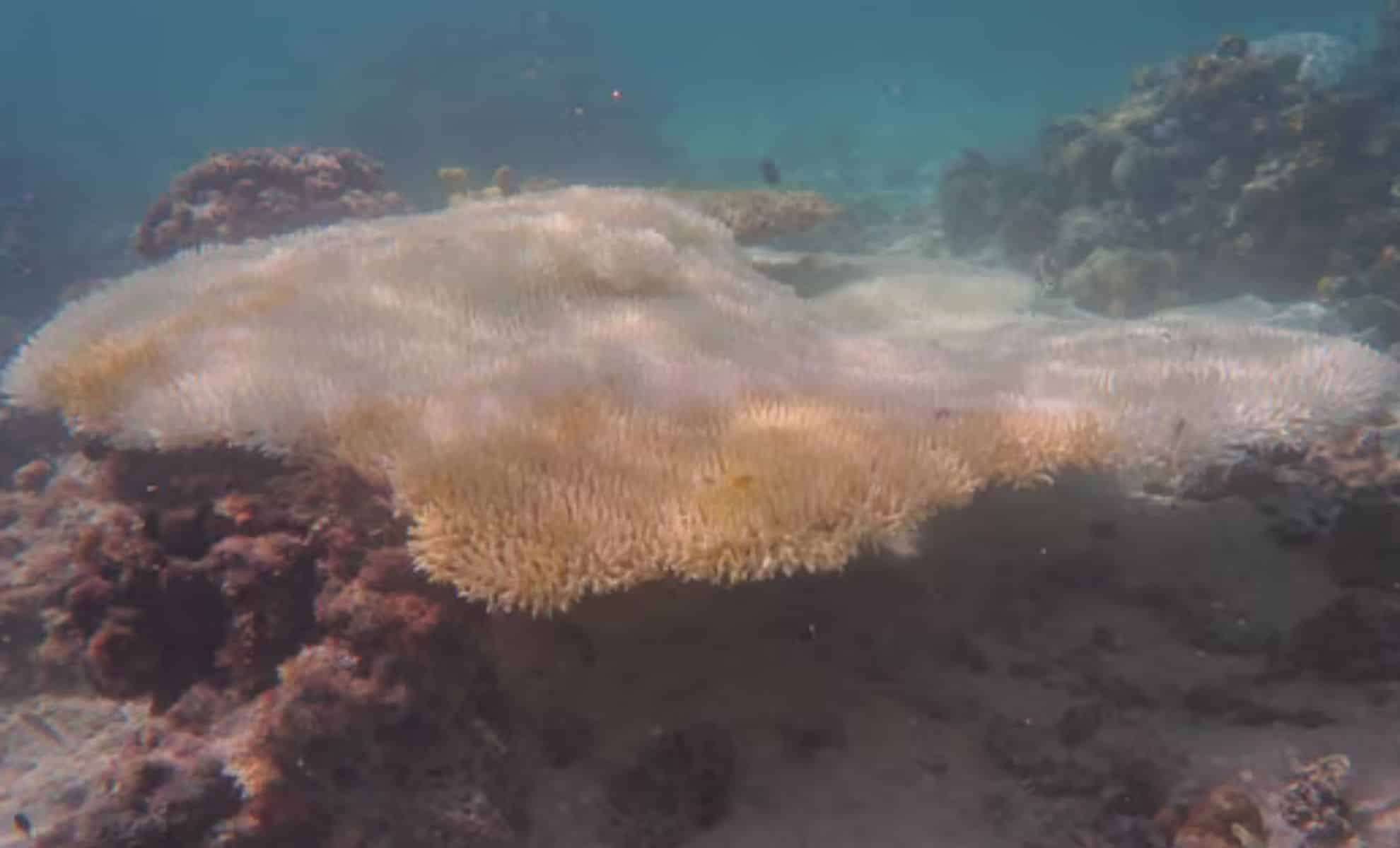
Spanning a vast area exceeding 344,000 square kilometers, the Great Barrier Reef stands as the planet's largest coral reef network and an emblem of marine biodiversity. Yet, it has recently endured its most severe coral bleaching event on record, largely driven by escalating ocean temperatures linked to climate change. One Tree Island, a pivotal research location in the southern sector, has witnessed dramatic declines in coral health over the previous year. A comprehensive investigation led by scientists from the University of Sydney revealed that heat stress and disease have led to the death or serious damage of more than 40% of coral colonies in the area.
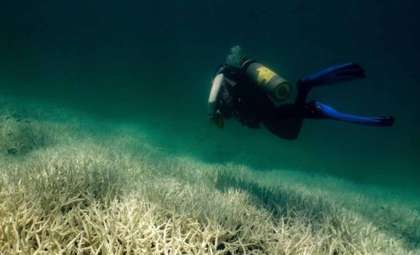
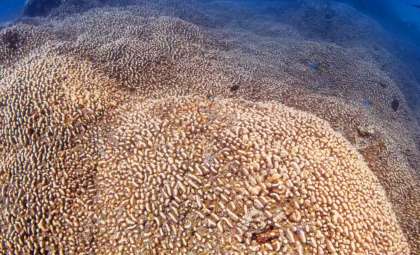
Marine biologist Prof. Maria Byrne, who has studied these ecosystems for over three decades, describes the losses as both scientifically profound and emotionally challenging. “Witnessing the collapse of vast coral colonies was heartbreaking,” Byrne stated. “My feelings have shifted from deep sadness to frustration. We have long been alerting the world to climate change impacts.” Her extensive research highlights how recurrent bleaching events severely affect iconic species, including the delicate Goniopora corals, known for their distinctive flower-like formations vital to reef health. By mid-2024, the study documented the demise of 193 coral colonies, with an additional 113 facing imminent collapse due to skeletal degradation from disease and algae, while just 92 colonies remained unbleached, highlighting the reef's critical condition.
Reefs Transformed Beyond Recognition
One Tree Island’s drastic ecological shift underlines the vulnerability of coral habitats in a warming world. Dr. Shawna Foo, a coral scientist also from the University of Sydney and co-author of the study, expressed the emotional weight of observing this degradation firsthand. After years working on the island, Foo remarked on the stark changes: “Tracking the corals over five months, many colonies became nearly unrecognizable, either smothered by algae, dead, or disintegrating. It is painful to witness, though sadly anticipated from patterns seen elsewhere on the reef and globally.”

Foo’s observations mirror a widespread trend across the Great Barrier Reef. While One Tree Island was the focus of this particular research, the bleaching event has broadly impacted regions throughout the reef. The Australian Institute of Marine Science (AIMS) reported the largest annual drop in coral coverage within the Capricorn-Bunker zone, noting a 41% decrease. Northern sectors also face dire conditions, described by government scientists as extensive "graveyards" of coral. These results illustrate the reef’s dwindling resilience to ongoing ocean warming and climate-linked stresses.
Ocean Warming: Driving the Crisis
The relentless warming of tropical oceans stands as the primary trigger for this unprecedented bleaching episode. During March 2024, the reef's typically hottest month, sea temperatures rose by 1.2°C above normal, intensifying pressure on coral systems. Elevated heat disturbs the sensitive mutualistic relationship between corals and their symbiotic algae, which furnish corals both energy and their characteristic hues. When temperatures exceed tolerance, corals expel these algae, turning white in a process known as bleaching.
Repeated exposure to bleaching proves catastrophic over time. While corals can sometimes recuperate if conditions improve swiftly, frequent thermal stress weakens their defenses, heightens disease susceptibility, and impairs reproductive capability. Prof. Byrne stressed the alarming trend of consecutive bleaching events. “The devastation we recorded was catastrophic,” she warned. “If this pattern persists, we risk losing not only the reef’s beauty but the entire marine ecosystems and human communities reliant on it.”
Supporting these concerns, the US Coral Reef Watch program has issued alerts that portions of the reef may experience further heat-induced stress in early 2025, raising the prospect of another bleaching incident. Richard Leck, head of oceans at WWF-Australia, cautioned about the reef's precarious outlook. “This summer’s elevated heat levels, especially in northern zones, put us at risk of back-to-back bleaching events. It’s a dangerous gamble,” he said.
UNESCO Raises Alarm and Urges Unified Global Response
The dramatic decline has intensified scrutiny over the Australian government’s protective measures. UNESCO previously considered listing the Great Barrier Reef as a World Heritage site “in danger” in 2021 due to insufficient climate mitigation efforts. Facing escalated threats, UNESCO has requested an updated assessment detailing the reef’s condition and remedial initiatives.
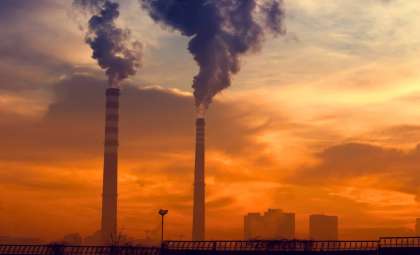
Leck emphasized the necessity of global collaboration to safeguard this natural wonder. “Pressure on the reef from climate change grows constantly, straining its World Heritage status,” he explained. Though local conservation efforts like controlling invasive starfish and reducing pollutants remain vital, experts unanimously agree that only worldwide emission reduction can secure the reef’s future.
For Byrne, these latest findings underscore an urgent call to action. “This need not be the reef’s final chapter,” she affirmed. “With immediate, committed reductions in greenhouse gases, we can help preserve what’s left.”
Protecting an Irreplaceable Marine Gem
The Great Barrier Reef is more than an Australian icon; it sustains over 1,500 fish species, 400 coral types, and countless other marine life forms. Its potential collapse would deliver a catastrophic loss to global biodiversity, along with severe repercussions for the millions who depend on it for food and economic livelihood.
While scientists and environmental advocates strive to raise awareness of the reef’s plight, the ultimate responsibility lies with global citizens, governments, and industries. The fate of the Great Barrier Reef vividly illustrates the profound links between human behavior and planetary health.
- Categories:
- Climate change







0 comments
Sign in to Comment