
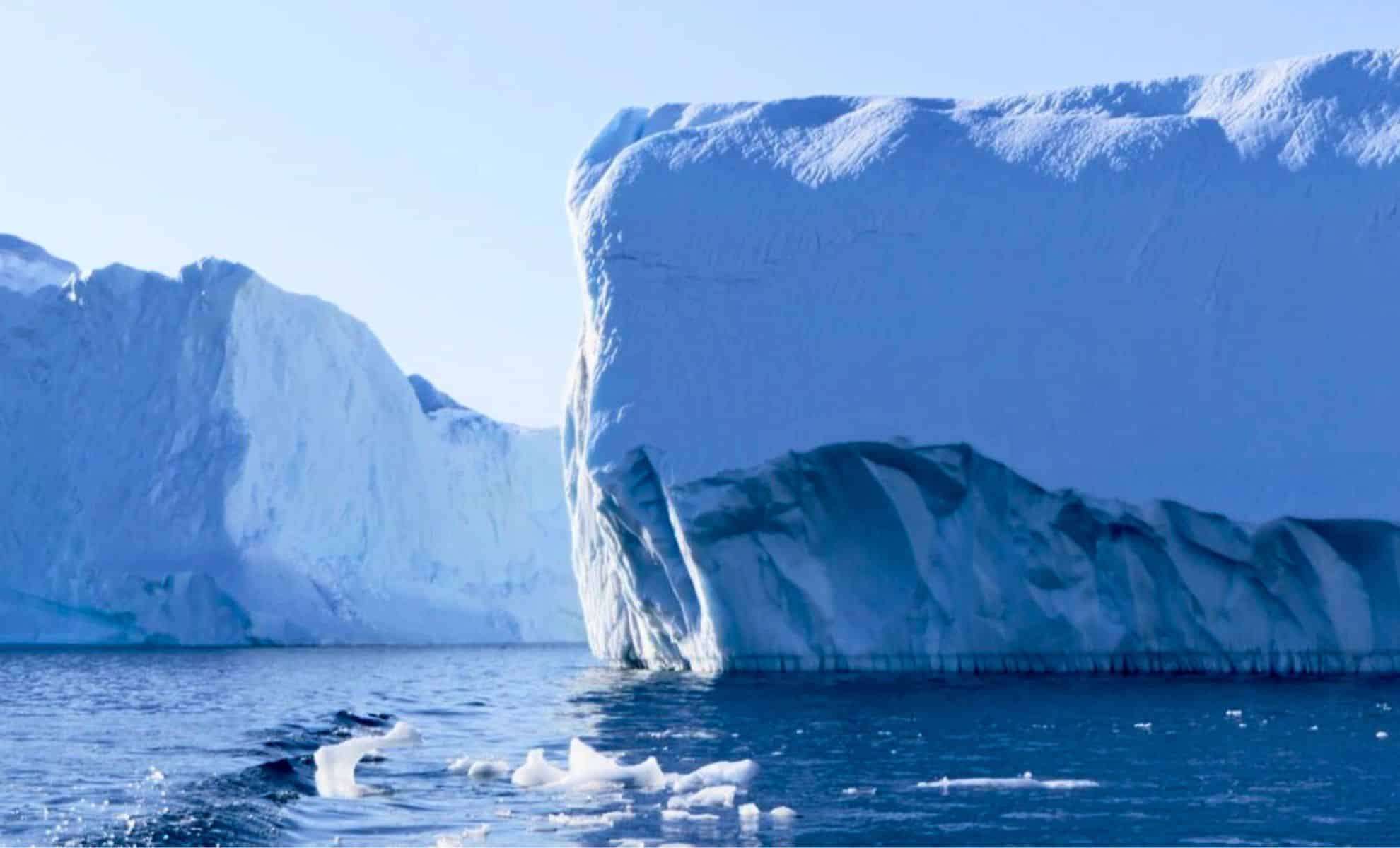
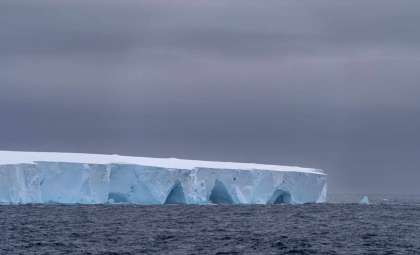
In early 2025, a giant iceberg detached from the Antarctic ice shelf, revealing a rare, scarcely explored region of the seabed to scientists.
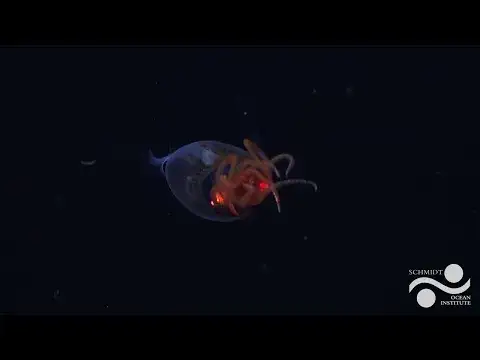
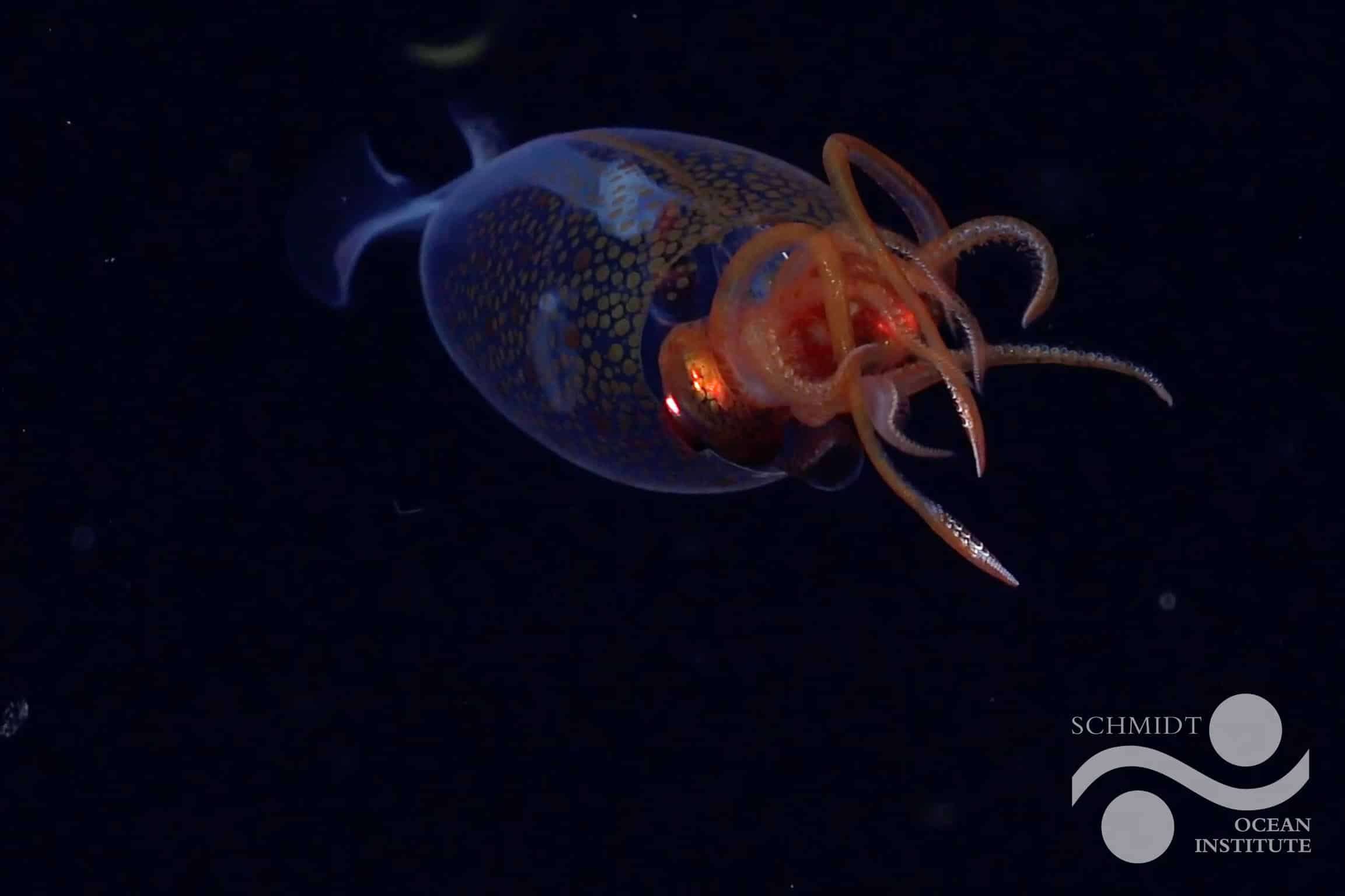
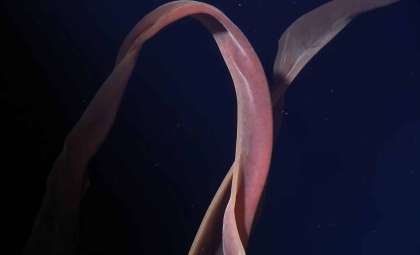
During this unique investigation, researchers recorded the first confirmed live footage of the mysterious glacial glass squid (Galiteuthis glacialis), a species originally described in 1906, but never before seen alive in its natural habitat. More about this species’ history can be found here.
This remarkable recording represents the inaugural live observation of this elusive squid in the wild.

Unlocking a Hidden Underwater World
The footage was obtained at a depth of 687 meters (2,254 feet) in the Southern Ocean near Antarctica on January 20, 2025. The event followed the separation of the A-84 iceberg from the George VI Ice Shelf, which uncovered a previously inaccessible section of ocean floor. Read more about similar seabed discoveries here.
This iceberg calving provided a unique chance for scientists aboard the Schmidt Ocean Institute’s R/V Falkor vessel to explore the untouched ecosystems of the Bellingshausen Sea.
Historic First Live Encounter with the Glacial Glass Squid
Previously, the glacial glass squid, described first in 1906, was known only through deceased specimens recovered from fishing nets or whale stomachs.
The Schmidt Ocean Institute team’s January 20, 2025 footage marks the first verified live sighting of this enigmatic creature in its natural setting.
Captured at 687 meters below the surface, the footage offers valuable insights into one of the Southern Ocean’s most secretive inhabitants.
Follow-Up Sighting of the Colossal Squid
Building on their success, the same researchers later documented live footage of another remarkable deep-sea cephalopod: the colossal squid (Mesonychoteuthis hamiltoni).
In a subsequent expedition on March 9, the team captured this giant squid on film. Both species share traits such as translucent bodies and formidable hunting hooks adapted to the dim ocean depths.
Despite these similarities, the colossal squid can reach lengths of up to 7 meters (23 feet), far exceeding the smaller size of the glacial glass squid.
The two also differ in hook placement: the colossal squid has hooks distributed down the center of all eight arms, whereas the glacial glass squid’s hooks are located only on the tips of two elongated tentacles.
Continuing to Unveil Ocean Depth Mysteries
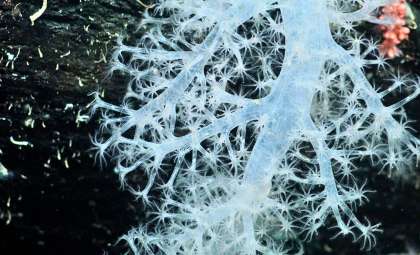
Alongside the notable squid sightings, the researchers also recorded various other deep-sea species, including icefish, giant sea spiders, and octopuses.
As Dr. Jyotika Virmani, executive director of the Schmidt Ocean Institute, reflected: “These unforgettable moments continue to remind us that the ocean is brimming with mysteries yet to be solved.”
This expedition’s findings emphasize the vast unknowns still concealed beneath the icy Antarctic waters, sparking excitement for future oceanic exploration.





0 comments
Sign in to Comment