
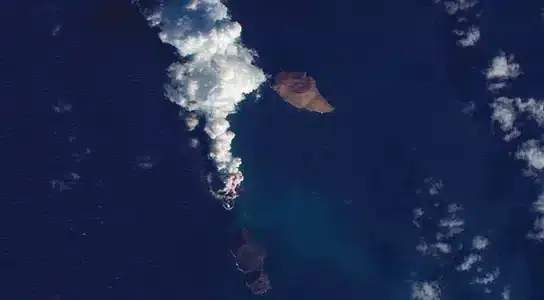
A striking example of Earth's dynamic geology has unfolded in the Red Sea with the sudden appearance of a brand-new island. This event, driven by intense volcanic forces, has intrigued researchers and spectators alike, offering a fascinating look at the powerful natural processes at play where tectonic plates interact.
Volcanic Forces Forge New Land
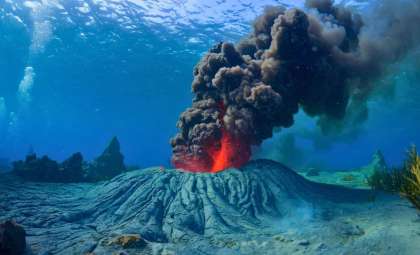
The island's origin traces back to a volcanic eruption in the Red Sea, near Yemen's Zubair archipelago. This eruption is one aspect of an expansive geological transformation occurring as the African and Arabian plates gradually diverge. This divergence gradually produces fresh oceanic crust, and this most recent event has generated a new land formation above water.
Island Formation in Just Days
On December 19, 2023, local fishermen first spotted the eruption, witnessing lava spurting up to 30 meters high, a spectacular phenomenon that quickly attracted the attention of satellites.

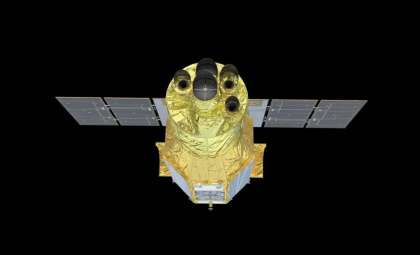
NASA’s Earth Observing One satellite documented the eruption, while increased sulfur dioxide emissions were detected by NASA’s Aura satellite. By December 23, just four days later, a solidified lava mound had risen above the sea surface.
This nascent island spans about 500 meters across and is gradually solidifying as the lava cools. Its long-term fate remains uncertain: will it grow through ongoing volcanic activity, or will it be worn down by the Red Sea’s relentless waves?
Geological Activity Along the Red Sea Rift
The birth of this island fits within a larger pattern of geological phenomena in the Red Sea Rift zone, where the African and Arabian plates continue their slow separation.
This rift is a highly active geological zone capable of generating new crust and occasionally new islands. This event highlights the continual transformation happening beneath the Earth’s crust.
The Red Sea’s Volcanic Hotspot
Whether this newly formed landmass will endure is still undetermined. Its emergence shows the incredible power of volcanic activity, but the island faces the threat of erosion from the surrounding Red Sea waves. If volcanic eruptions persist, the island could expand and eventually join the Zubair archipelago as a permanent feature.
The island remains in its earliest stage, prompting numerous scientific questions about the area’s geological future. Will more islands materialize as these tectonic plates shift? Is volcanic activity likely to increase in the near future? Researchers will continue to observe the ongoing eruption and track the island’s evolution to gain insights into these developments.
- Categories:
- Science






0 comments
Sign in to Comment