
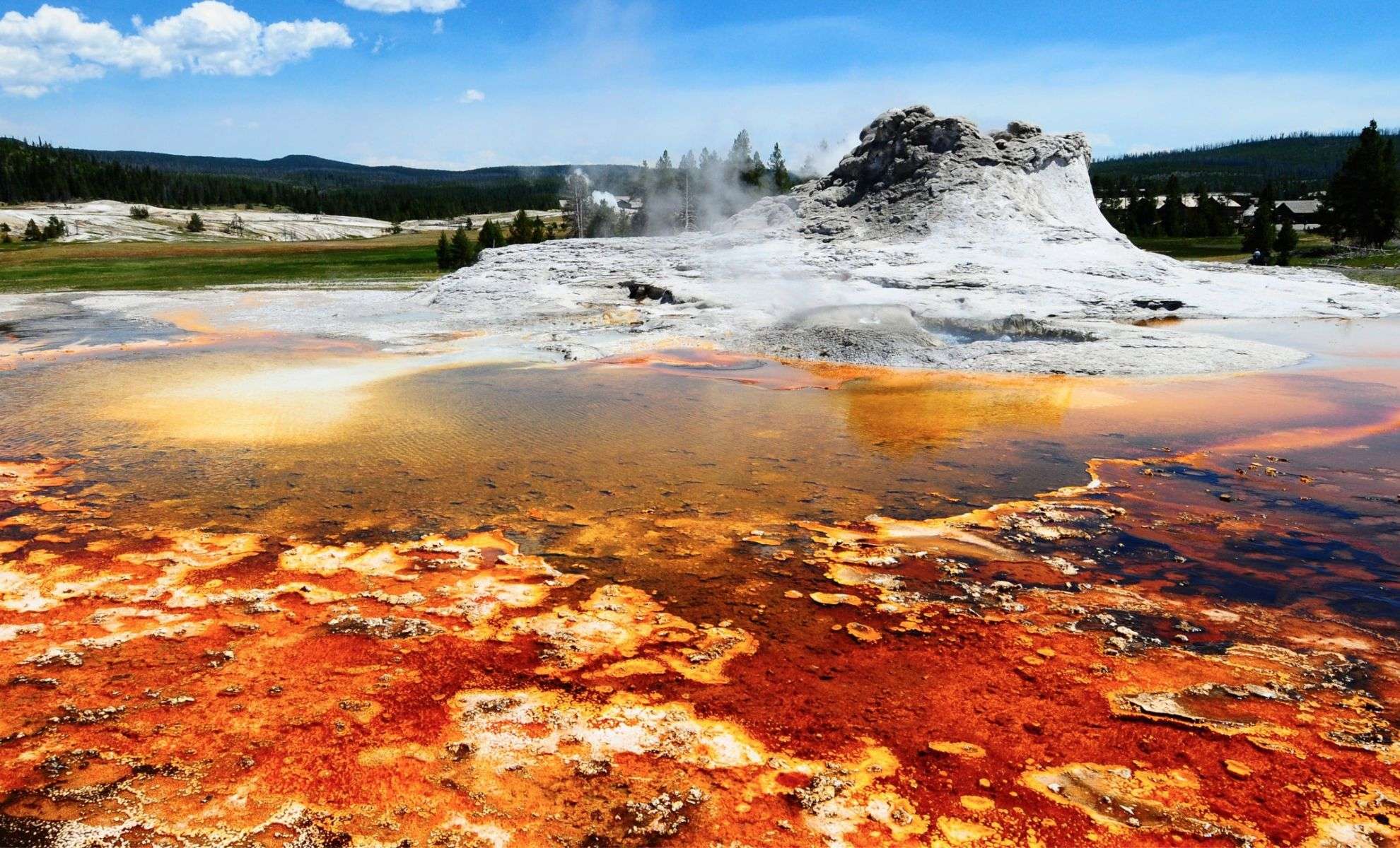
Researchers have identified a newly formed volcanic vent in Yellowstone National Park releasing dense steam plumes, prompting investigations into its relationship with the park’s extensive supervolcano hydrothermal system.
New Hydrothermal Activity Detected near Roadside Springs
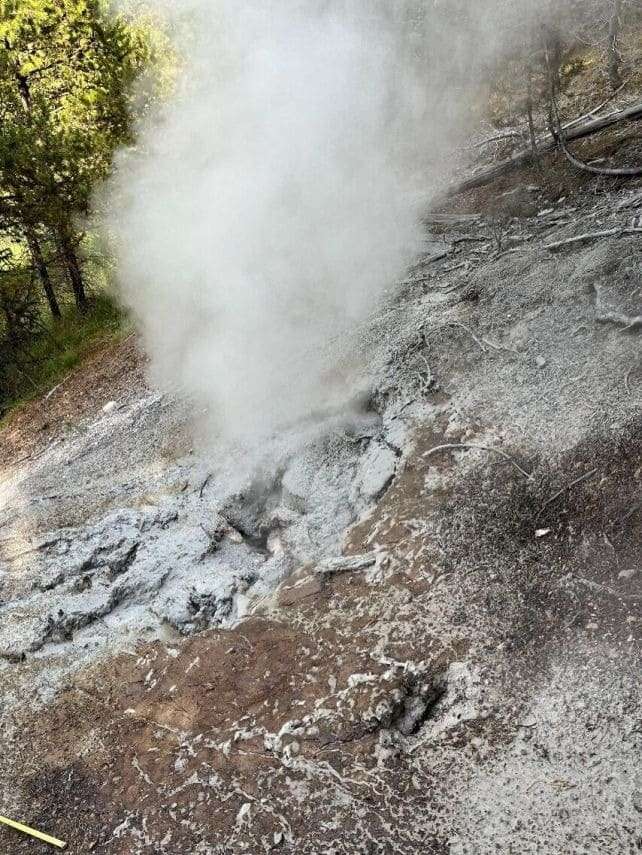
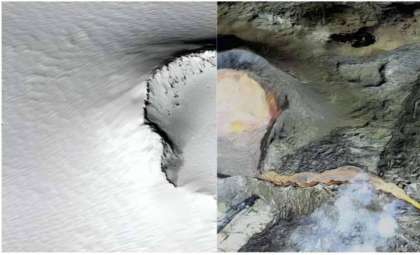
In August 2024, an unusual steam plume was spotted in the Roadside Springs sector of Yellowstone, a zone known for its active underground hydrothermal processes. This unexpected development led scientists to examine the area closely, confirming a new vent with surface temperatures reaching 77°C (171°F).
Researchers were particularly intrigued by the presence of a fine gray siliceous clay layer encasing the vent, suggesting its recent origin rather than a preexisting feature. This discovery was verified by Yellowstone Volcano Observatory (YVO) scientists.

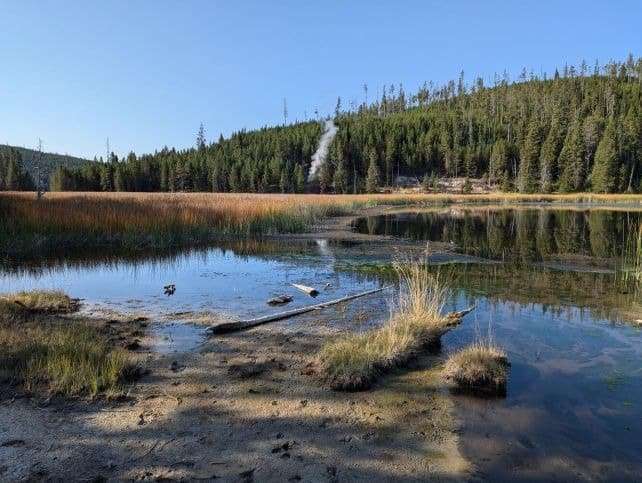
The new vent appears to mirror a similar hydrothermal episode documented in March 2003, located on the opposite side of the same rhyolite lava flow, west of Nymph Lake. According to YVO:
“This hydrothermal activity persists through this day but is much less energetic than when it first formed.”
This historical event suggests a possible subterranean link between the two phenomenon. Scientists theorize both vents may be connected by a fault line stretching from Norris Geyser Basin to Mammoth Hot Springs, serving as a pathway for hydrothermal fluid flow under the surface.
Initial Vigorous Activity Now Subsiding
The vent initially emitted a robust cloud of steam throughout fall 2024. However, with the onset of winter, steam discharge has considerably waned. The vent remains active but now shows minimal to no visible steam emissions.
Its future trajectory is uncertain. Ongoing monitoring aims to observe whether this vent will diminish over time, similar to the 2003 event, or undergo further changes.
The emergence of new geothermal features underscores Yellowstone’s importance as a dynamic geological site. Beneath its iconic geysers lies a huge magma chamber that constantly influences the park’s evolving landscape. This supervolcano remains an active and complex system with ongoing subterranean geothermal activity.
Yellowstone functions not only as a stunning natural preserve but also as a vital research hub where earthquake tremors, random hydrothermal bursts, and new surface vents provide critical insights into volcanic behavior.
Linking Hot Springs to the Origins of Life
The park’s bubbling hot springs harbor thriving microbial communities adapted to extreme, inhospitable conditions. These organisms help scientists explore life’s early evolution on Earth and the potential for life to exist on other planets.
Surviving in environments of boiling temperatures, mineral-rich water, and acidic pools, these microbes make Yellowstone a significant site for research in astrobiology and survival in extreme habitats.
The Yellowstone Volcano Observatory emphasizes that "there’s always something new" in Yellowstone’s vast geothermal realm. Each shift—from geyser changes to new vent formations—enhances understanding of this ever-restless volcanic terrain.
- Categories:
- Science









0 comments
Sign in to Comment