
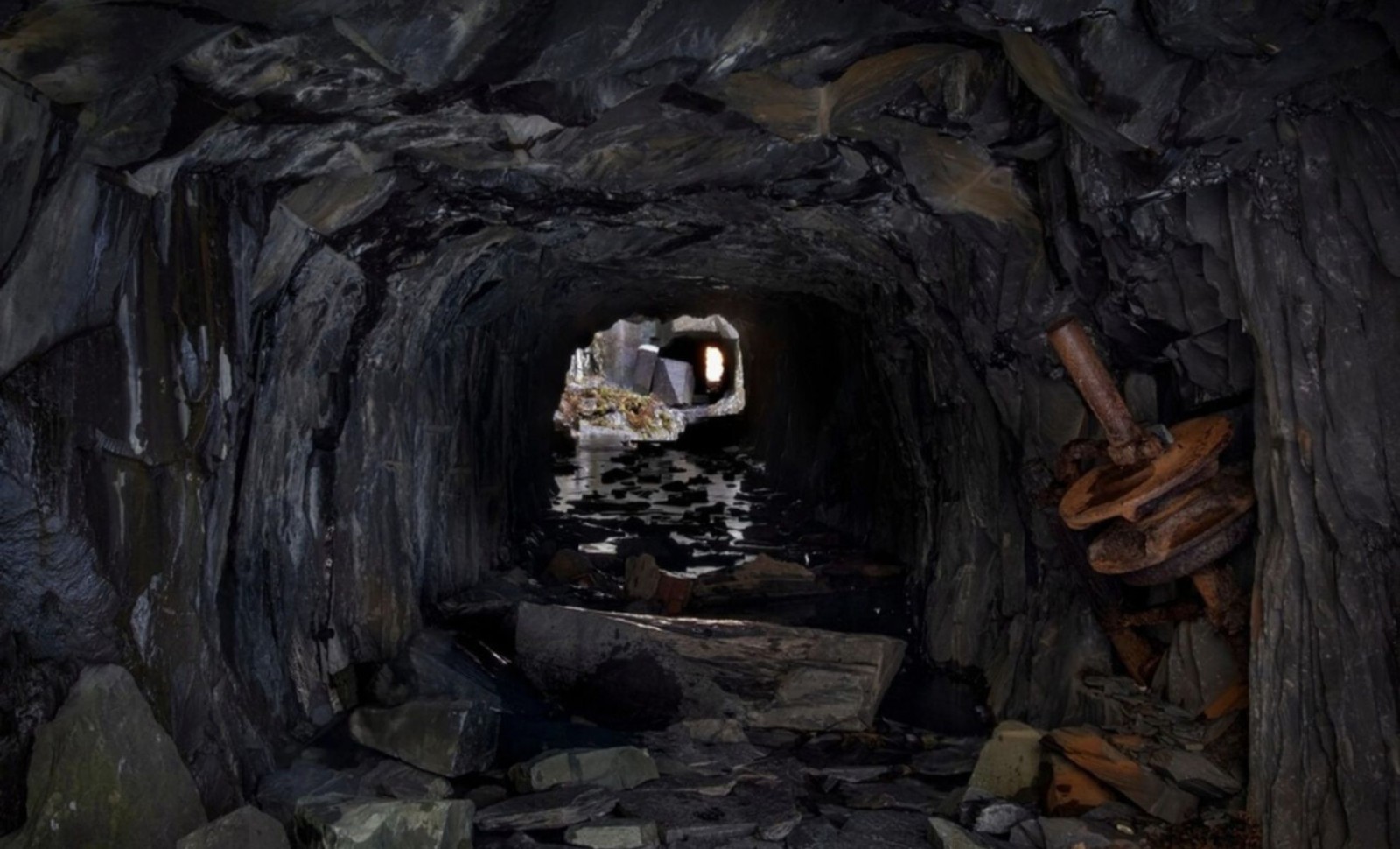
In a remarkable archaeological breakthrough, experts have successfully charted the intricate underground network of the ancient Etruscan settlement of Veio. Employing state-of-the-art rover devices, originally inspired by space mission technologies, the team has exposed an elaborate system of water conduits, ceremonial basins, and concealed chambers, illustrating the advanced engineering of this pre-Roman civilization.
Situated near Rome, Veio was a dominant city in the Etruscan League and a powerful adversary to early Rome. Since its decline in 396 BCE, the complexity of its subterranean infrastructure remained largely unknown—until this recent exploration. Spearheaded by the Museo Nazionale Etrusco di Villa Giulia together with Sapienza University of Rome, this project melds innovative technology with archaeological expertise to reveal Veio’s hidden depths.
Mapping Veio’s Secret Underground Network
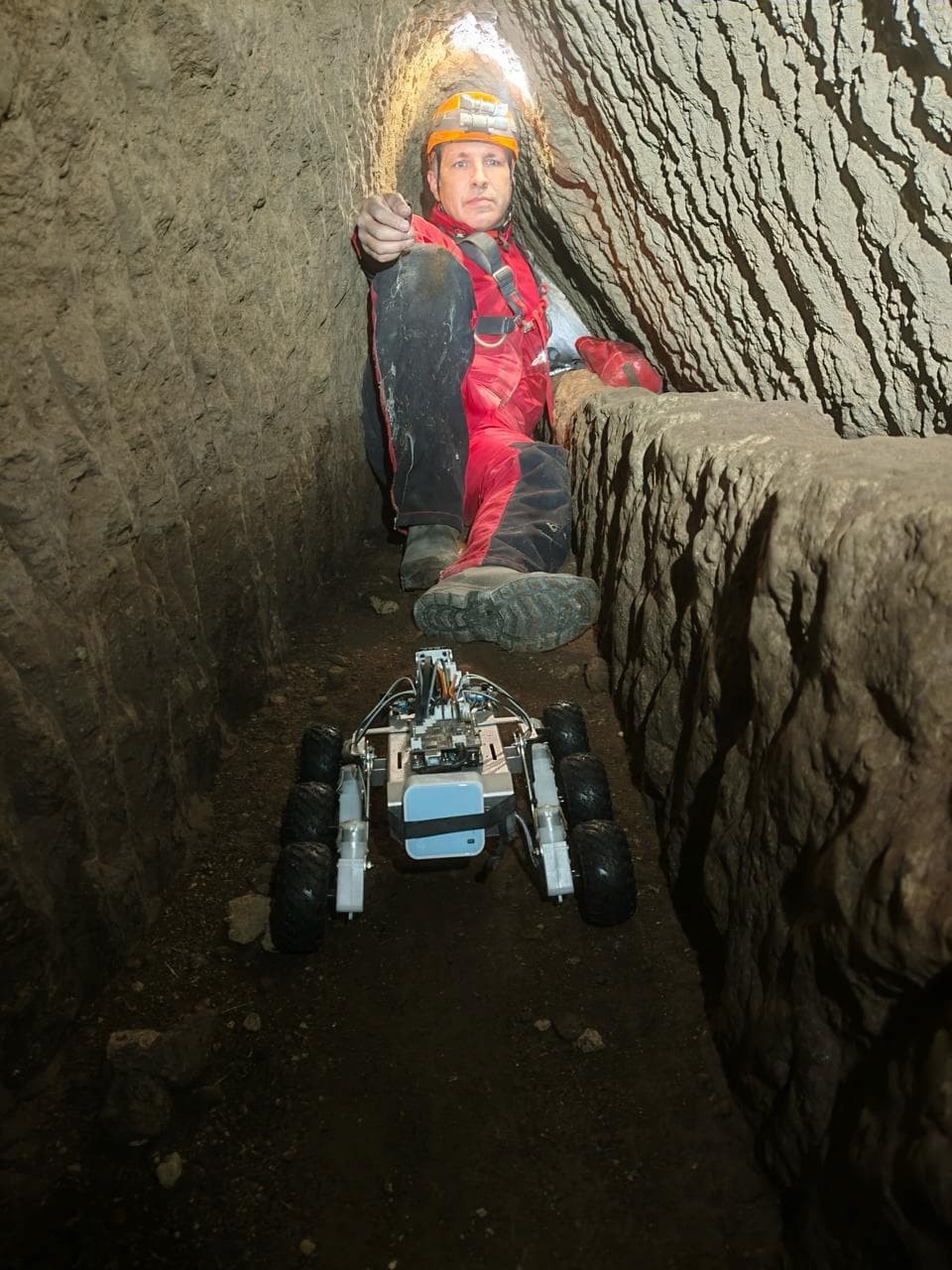
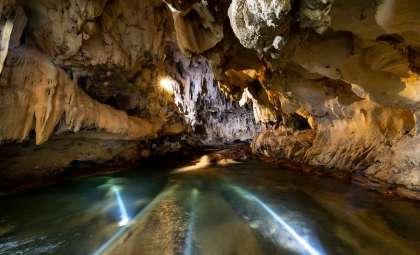
To uncover Veio’s vast underground passageways, scientists utilized Magellan, an autonomous rover featuring NASA-influenced suspension technology. This rover maneuvered through the city’s narrow, hazardous tunnels while transmitting live information to archaeologists above. This approach enabled a complete digital reconstruction of Veio's subterranean water system, a feat nearly impossible by conventional means.

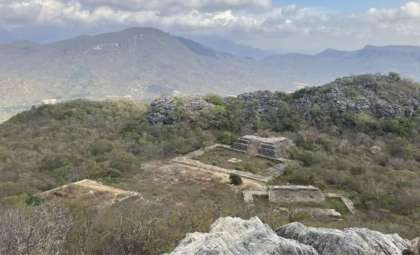
Official reports highlight the discovery of a large sacred basin near the Apollo temple within the Portonaccio Sanctuary. This feature held great ritual importance and formed part of an intricate water distribution network that supported both ceremonial and practical uses. The complexity of this infrastructure underscores the advanced skills of Etruscan engineers, predating similar Roman achievements.
Water Systems, Ceremonial Functions, and Influence
The Portonaccio Sanctuary has been recognized for its grandeur and ornamental statues for years. However, this recent survey has unveiled the sanctuary’s reliance on a deliberate network of water channels interconnected by tunnels. These conduits directed water between functional zones and ceremonial sites underground.
A particularly notable element is the ritual basin adjacent to the Apollo temple, believed to have been used for purification rites in Etruscan culture. After Rome’s conquest of Veio, this basin was adapted for Roman use, illustrating the enduring significance of water in religious and everyday contexts. Subterranean passages were utilized for both maintenance access and sacred ceremonies, highlighting the Etruscans’ sophisticated environmental management.
Veio: The Ancient City That Challenged Rome
During its height, Veio was a central hub in the Etruscan League, controlling fertile lands and vital trade corridors. Known for exquisite craftsmanship, including the renowned Apollo of Veio sculpture, the city wielded considerable power before being overtaken by Rome. Much of its history was obscured—until today's discoveries.
“ We have resumed investigations in the area: archaeological excavations, but also research that employs completely innovative instruments and methodologies, such as the highly important and entirely unprecedented mapping of the city’s cuniculi,” explained The director of the museum, Luana Toniolo.
The revelation of Veio’s underground passages sheds new light on the city’s advanced urban design and hydraulic expertise, highlighting why it was such a formidable competitor to early Rome.
- Categories:
- Science







0 comments
Sign in to Comment