
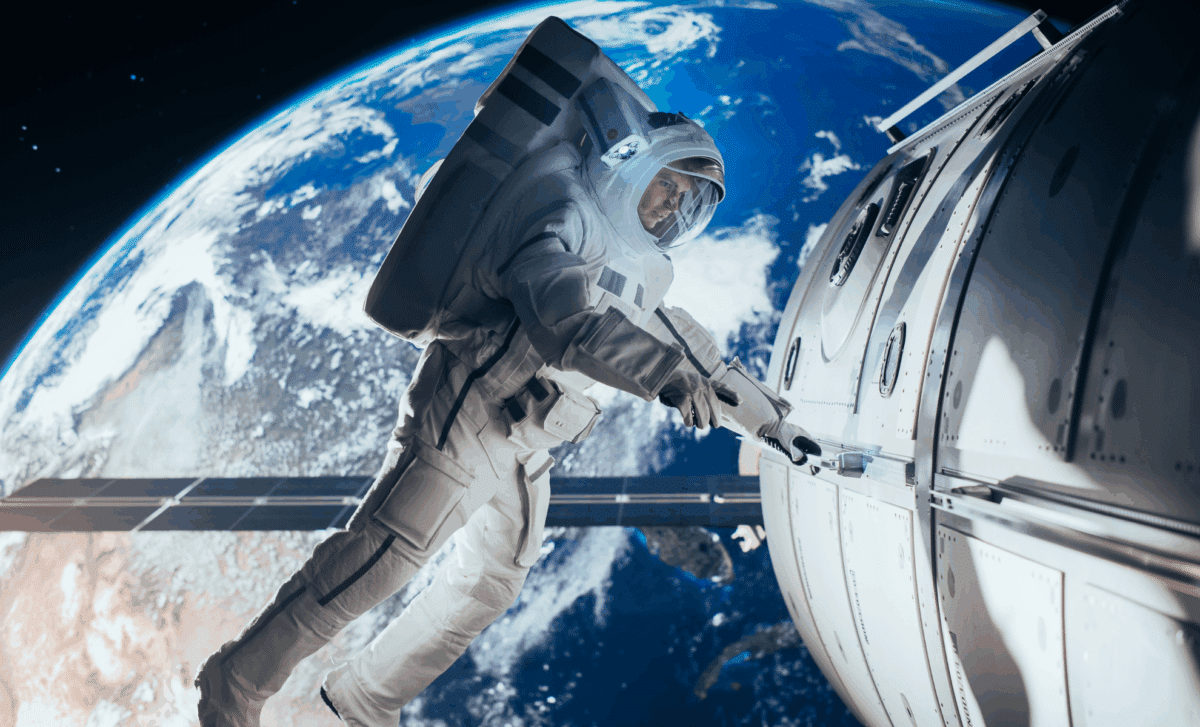
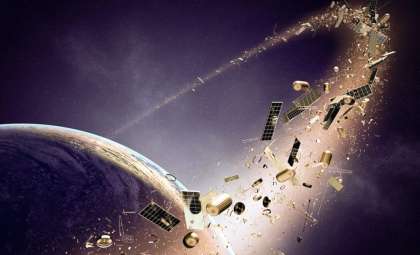
Recently, three astronauts aboard China’s Tiangong space station had to postpone their return journey following suspected damage from orbital debris. Although the situation was managed without harm, this event adds to a mounting list of close encounters in human space exploration. The lack of a coordinated global rescue framework has become a critical concern within the space community. Many specialists now emphasize that it’s time to move beyond discussion and implement real solutions.
An Alarming Signal from Space
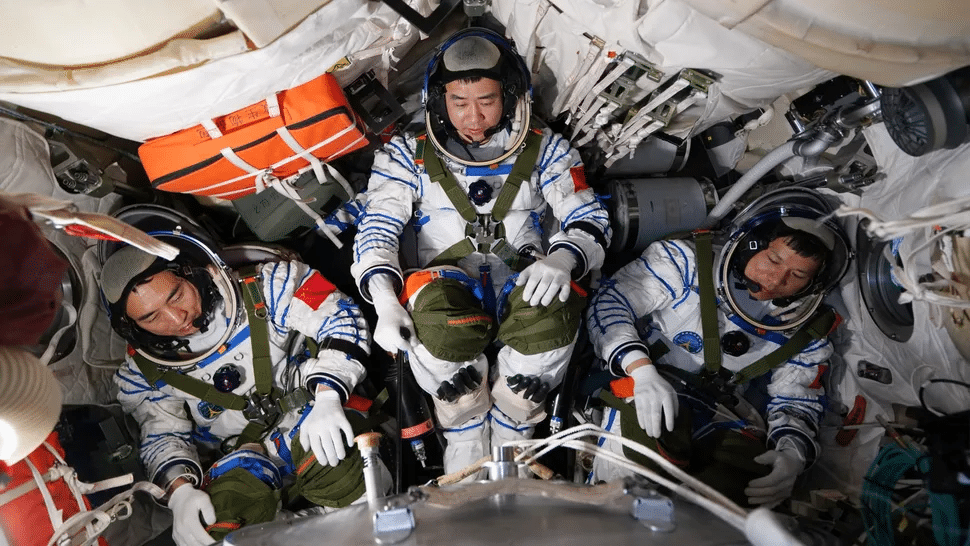
The Shenzhou-20 mission incident underscores the narrow margin for mistakes during crewed spaceflights. On November 5, the planned return of astronauts Chen Dong, Chen Zhongrui, and Wang Jie was postponed due to a potential collision with space debris, as reported by the China Manned Space Agency (CMSA).
In a November 11 update, CMSA reassured the public:

“Following the postponement of the Shenzhou-20 manned spacecraft return mission, the project team, adhering to the principles of ‘life first, safety first,’ immediately activated emergency plans and measures,” adding that “All work is progressing steadily and orderly according to plan.”
However, outside experts remain skeptical. Darren McKnight, an orbital debris analyst at LeoLabs, questions the scarcity of details provided:
“I wonder out loud why they would not be more forthcoming about specifics of the event.” He warns that this lack of transparency isn’t unique: “I know of several mission-degrading events happening with commercial satellites over the last couple of decades.”
As highlighted by Space.com, this marks the second near-critical complication for crewed missions within two years. Specialists advocate shifting the concept of space rescue from theoretical to urgent, global operational reality.
Starliner Troubles Reveal Fragile Safety Nets
The Shenzhou-20 delay isn’t the only recent wake-up call. In 2024, during its crewed test flight to the International Space Station, NASA’s Boeing Starliner encountered major technical challenges. Although it successfully docked, the spacecraft experienced helium leaks in its propulsion system and thruster malfunctions that risked a safe return. As a result, astronauts Butch Wilmore and Suni Williams postponed their return and flew back later via SpaceX Crew Dragon, while the Starliner mission flew home empty.
The fact that both crews could remain safely on a space station is considered fortunate by many experts. Jan Osburg, a senior engineer at the RAND Corporation, highlighted the dangers:
“Both incidents have occurred during missions to a space station, where the station can act as a safe haven until a rescue plan can be put in place.”
Osburg cautions that most upcoming missions won’t have this luxury: “Especially in commercial ventures, many ‘free-flyer’ flights won’t dock with a station, requiring rapid rescue due to limited supplies onboard.”
With the rise of private space tourism and independent orbital labs, the number of isolated missions is increasing—amplifying the demand for effective rescue systems.
Transforming Space Rescue from Fiction to Reality
Space rescue once seemed a futuristic fantasy better left to science fiction, but the growing intricacy and regularity of crewed missions make it a necessity. Experts argue that establishing even a basic rescue infrastructure is practical and financially attainable.
“One of the points I’ve been trying to make,” Osburg shares, “is that creating an initial space rescue capability does not have to be expensive or involve setting up a new government agency or the like. It could be done with a few million dollars per year, which is ‘in the noise’ for human spaceflight costs.”
Osburg envisions standardized docking protocols, communication systems, and coordinated operational procedures—similar to the maritime industry’s century-long evolution. He suggests an independent nonprofit could oversee this effort, collaborating with international agencies and commercial stakeholders to ensure readiness and coordination.
While China’s decision to postpone the landing exemplifies caution, experts like McKnight remain concerned about the continuing lack of transparency. “Without detailed incident reports, it’s challenging to develop accurate safety models and advance global protocols,” he notes.
Time Is Running Out
Both the Starliner and Shenzhou-20 incidents yield a clear lesson: contingency plans are effective—only when a station is nearby. But future missions may not have such a refuge.
As Osburg succinctly states:
“But whatever the way forward, hopefully something is set up soon, before the next incident happens.”
Each of these events, even with safe outcomes, intensifies the pressing question the space community must answer: who rescues astronauts when no safe haven is within reach?
- Categories:
- Space







0 comments
Sign in to Comment