
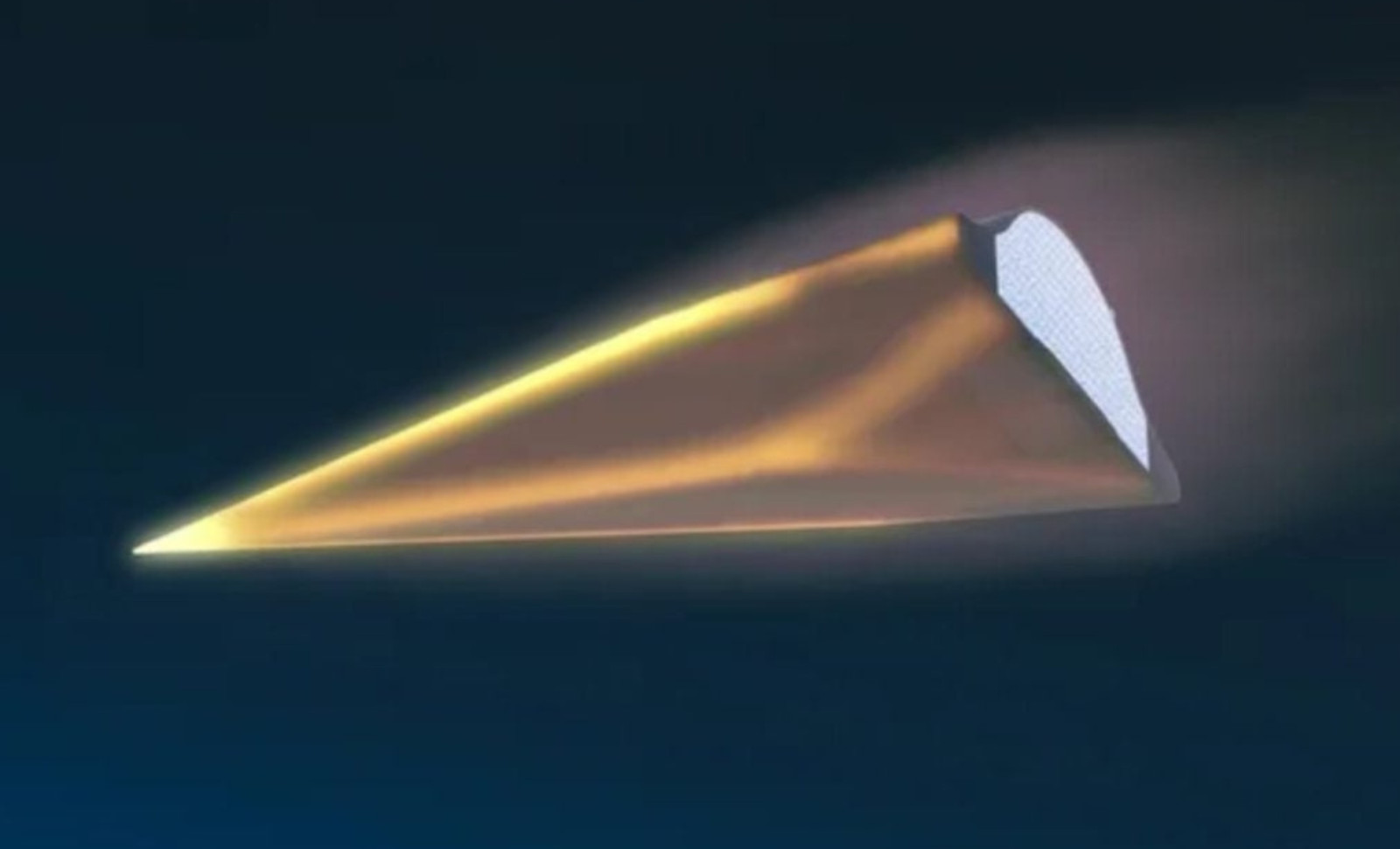
The U.S. Department of Defense has secured 20 upcoming flights aboard a specialized rocket that operates below orbital altitudes, with missions potentially starting in the near future. On March 18, Rocket Lab revealed a $190 million deal to conduct hypersonic test launches over a four-year period.
Known as HASTE (Hypersonic Accelerator Suborbital Test Electron), this vehicle is adapted from Rocket Lab’s Electron rocket by removing the orbital components and optimizing the design for extremely rapid suborbital flights exceeding Mach 5. This contract designates HASTE as the main launch system for the Multi-Service Advanced Capability Hypersonic Test Bed 2.0, or MACH-TB, initiative.
Rocket Lab has completed seven HASTE launches since the vehicle’s introduction, primarily for U.S. government agencies, with mission specifics largely undisclosed. Under the new contract, the company will provide 20 dedicated launches—its most substantial contract for launch services to date.

Modifying a Rocket for Speed Instead of Orbit
The HASTE vehicle uses much of Electron’s design, including its carbon fiber structure and innovative Rutherford engines, 3D-printed to burn liquid propellant. Its upper stage, however, has been redesigned to propel payloads along hypersonic flight paths rather than into orbital trajectories.
This reconfiguration allows HASTE to carry payloads up to 700 kilograms on customized flight patterns ideal for aerodynamics research. Additionally, larger payload fairings can be installed when required. Launches take place from Rocket Lab Launch Complex 2 at NASA’s Wallops Flight Facility in Virginia.
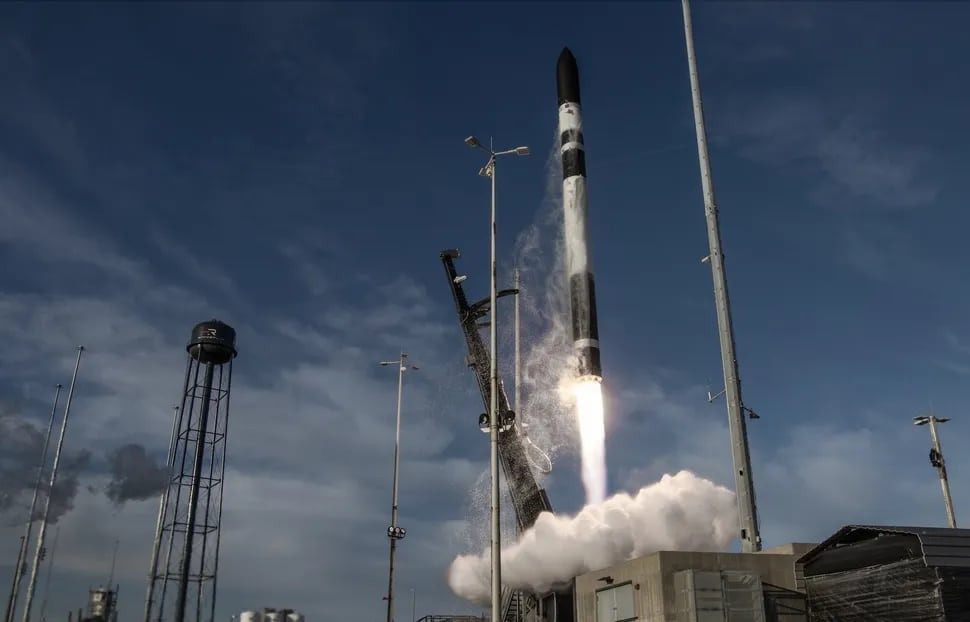
The suborbital strategy is significant because traditional hypersonic test flights rely on limited and costly missile hardware or large sounding rockets. HASTE provides a smaller-scale, more frequent, and commercially integrated option.
Establishing a Multiservice Flight Test Network
The MACH-TB program’s origins trace back to an October 2022 award by Naval Surface Warfare Center Crane to Dynetics, a subsidiary of Leidos. Dynetics was charged with coordinating a network involving commercial launch providers, national labs, and defense contractors.
Dynetics initially partnered with over 20 organizations, including Kratos Defense, Stratolaunch, Sandia National Laboratories, Oak Ridge National Laboratory, and Rocket Lab’s National Security division. The recent $190 million contract elevates Rocket Lab as the leading flight service provider for the program.
MACH-TB supports multiple military branches simultaneously, including the Navy’s Conventional Prompt Strike, Army’s Long Range Hypersonic Weapon, Missile Defense Agency, and Air Force hypersonic efforts. Its modular Experimental Glide Body design lets different teams integrate unique sensors, materials, and flight components without full vehicle redesigns.
Scramjet Technology and International Collaboration
Rocket Lab’s hypersonic initiatives extend beyond MACH-TB. The Defense Innovation Unit separately contracted the company for its HyCAT program, which concentrates on rapid hypersonic testing featuring scramjet propulsion.
One project involves Hypersonix, an Australian firm developing DART AE, referencing the additive manufacturing techniques used in its construction. Scramjets intake atmospheric air at hypersonic velocities rather than carrying onboard oxidizers, making real-flight testing critical. Through the Defense Innovation Unit, all Defense Department branches can request HASTE launches via an online platform.
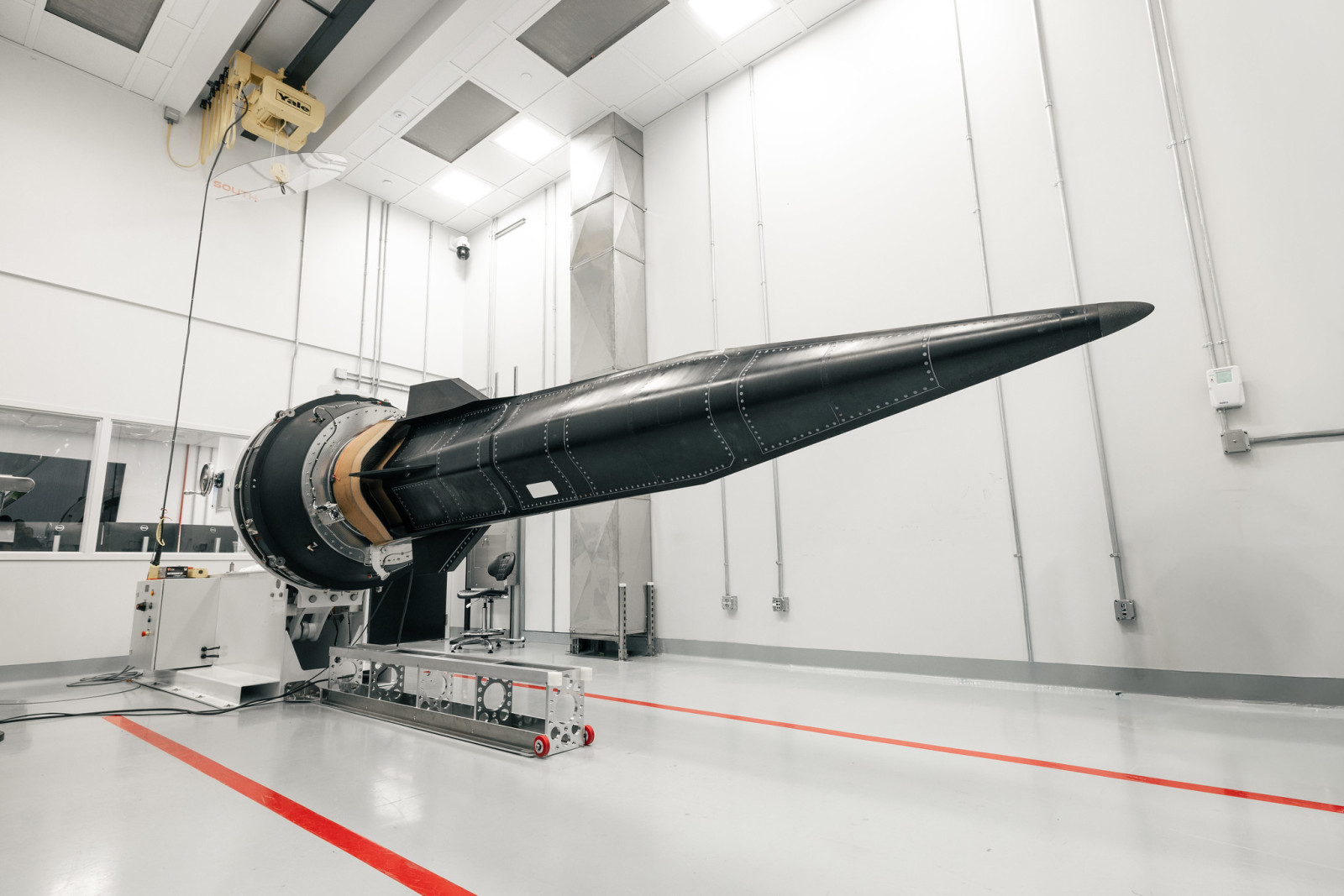
The Missile Defense Agency also collaborated with Rocket Lab on feasibility studies for flying custom payloads on HASTE, laying groundwork for future missile defense missions, though no additional contracts have been issued yet.
Planned Launches Through 2030
Rocket Lab’s manifest now surpasses 70 missions, covering orbital and suborbital flights. The company launched three Electron rockets within the first quarter of 2026. On February 25, a HASTE launch featuring the DART AE payload took place, as Space.com reported when covering the new contract.
Hypersonic speeds challenge interception systems by shortening reaction windows and complicating tracking. The Department of Defense’s boost in flight frequency signals a push to develop weapons capable of high-speed, unpredictable maneuvers.
Rocket Lab CEO Peter Beck stated in the announcement that this collaboration “enhances U.S. security by providing advanced, affordable hypersonic capabilities quickly.” The 20-flight contract spans four years, with initial launches scheduled soon. Rocket Lab is publicly traded on Nasdaq under RKLB.
- Categories:
- News







0 comments
Sign in to Comment