
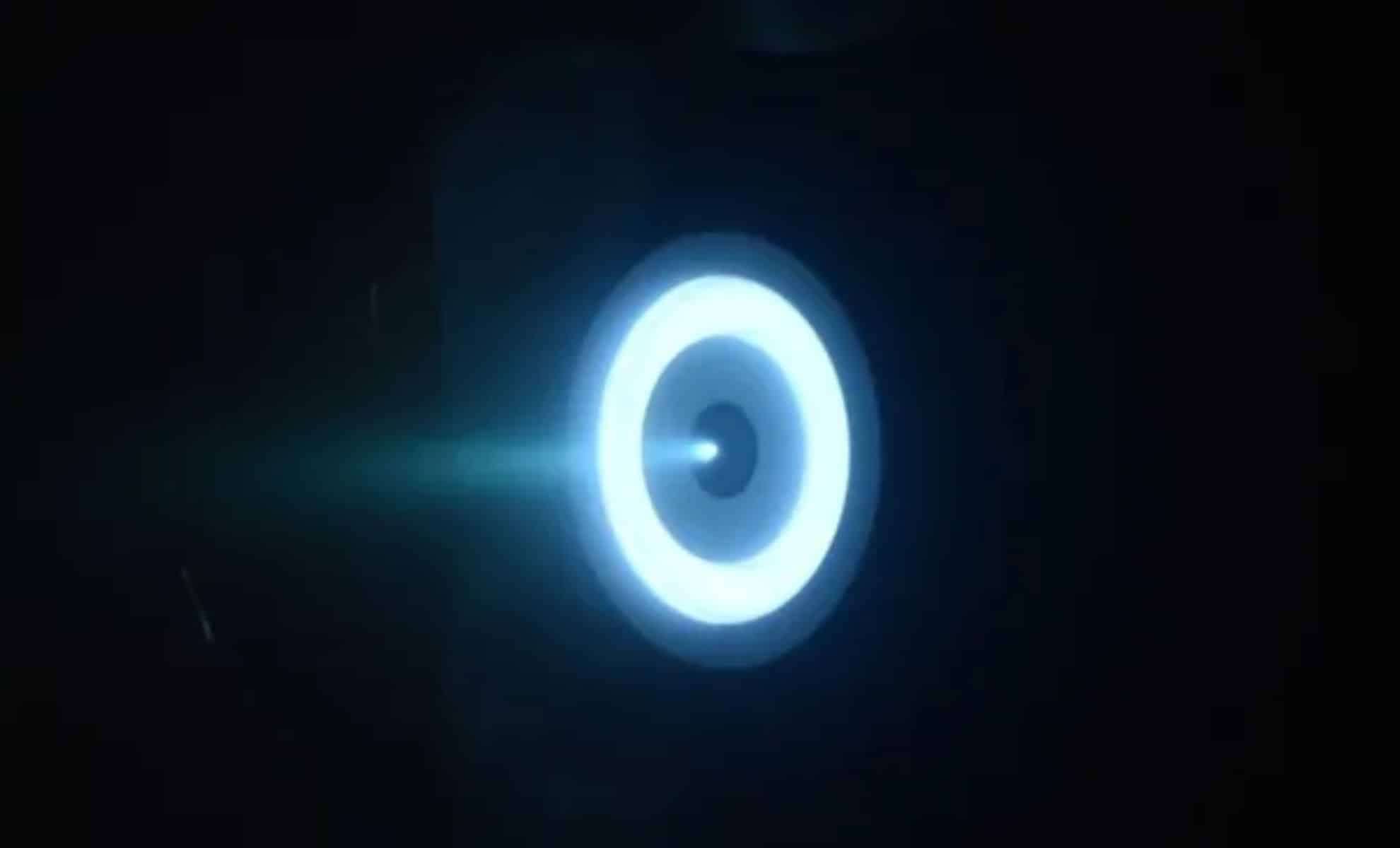
In March 2025, the U.S. Space Force, partnering with the Air Force Research Laboratory (AFRL), carried out successful trials of the propulsion system for the Oracle-M satellite. This landmark event, covered by Space.com, represents a critical advancement in the Space Force’s efforts to enhance monitoring capabilities within the strategic cislunar region.
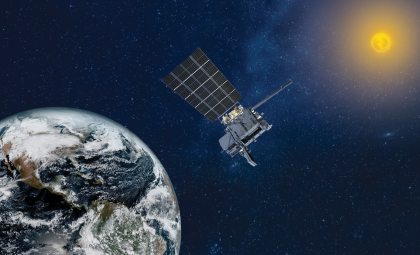
Equipped with innovative Hall effect thrusters, Oracle-M is engineered to detect and track objects around the Moon, significantly boosting space situational awareness (SSA) and offering vital surveillance tools to protect U.S. interests beyond Earth’s immediate vicinity.
Expanding Focus on the Cislunar Environment
With the increase of both governmental and commercial missions targeting the Moon, securing the expansive and relatively uncharted zone of cislunar space has become a priority. This area, encompassing the lunar orbit and surrounding space, is growing into a pivotal frontier for exploration and defense.

As countries such as China and the U.S. escalate their presence in this realm, maintaining thorough situational awareness is essential for surveillance, security, and strategic dominance. Peter Garretson, a retired U.S. Air Force officer and independent defense strategist, remarked to Space.com in 2019, “Cislunar space is already the high ground, and the U.S. is already far behind China in its position and its planning.”
Oracle-M: A High-Tech Orbital Scout
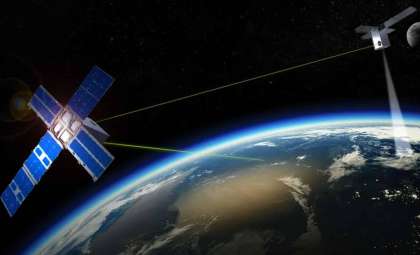
The Oracle-M satellite, developed collaboratively by Space Systems Command (SSC) and AFRL, is tailored to deliver real-time object tracking within cislunar space.
It utilizes advanced Hall effect thrusters that create plasma propulsion by ionizing xenon gas, enabling efficient navigation and station-keeping in the challenging zone between Earth and the Moon.
Significance of the Thruster Testing
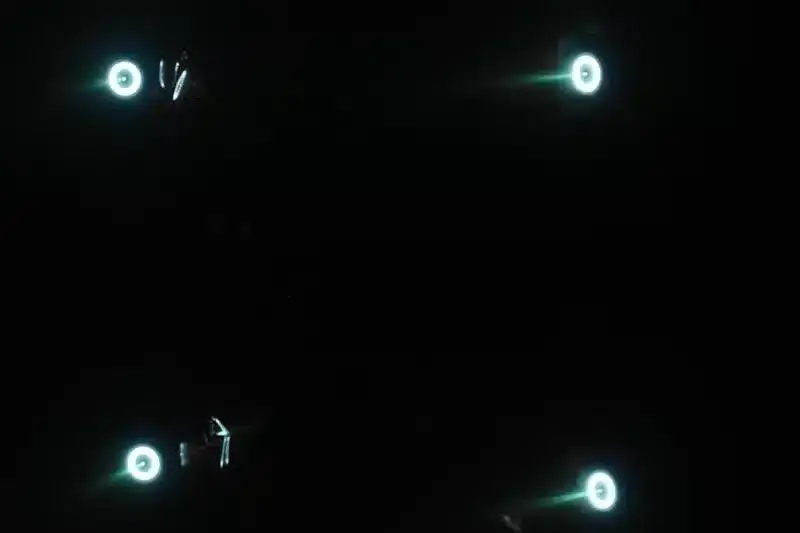
In March 2025, SSC and AFRL conducted a comprehensive hot fire test of Oracle-M’s Hall effect thrusters at the Edwards Air Force Base in California. This involved firing the propulsion hardware integrated with the spacecraft’s energy and fuel systems.
These tests are a vital phase in Oracle-M’s development cycle, ensuring the propulsion system will enable smooth maneuvering and endurance during long-term cislunar missions. The propulsion advances represent a significant jump forward in sustaining prolonged operations in deep space.
The Oracle-M project forms a part of the U.S. Space Force’s broader direction toward space dominance. Its surveillance functions aim to provide consistent monitoring of satellites, orbital debris, and other critical assets within the cislunar belt, enhancing comprehensive space situational awareness.
Oracle-M’s Role Within the Space Force Strategy
Oracle-M is one component of a growing series of spacecraft targeting cislunar monitoring. Alongside Oracle-Prime (Oracle-P), which specializes in object detection with cutting-edge onboard image processing, these satellites compose a network designed to safeguard U.S. interests in this increasingly contested domain. This reflects the rising significance of the cislunar environment as a key military sector and highlights the Space Force’s commitment to maintaining a technological edge.
Anticipated Launch Timeline for Oracle-M
While an exact launch date has yet to be finalized, strides in development continue to move forward. Following successful ground tests in April 2025, preparations are underway for launch readiness assessments.
Once deployed, Oracle-M promises to deliver unprecedented surveillance capabilities that will be essential to future defense operations and space security strategies.
- Categories:
- News





0 comments
Sign in to Comment