
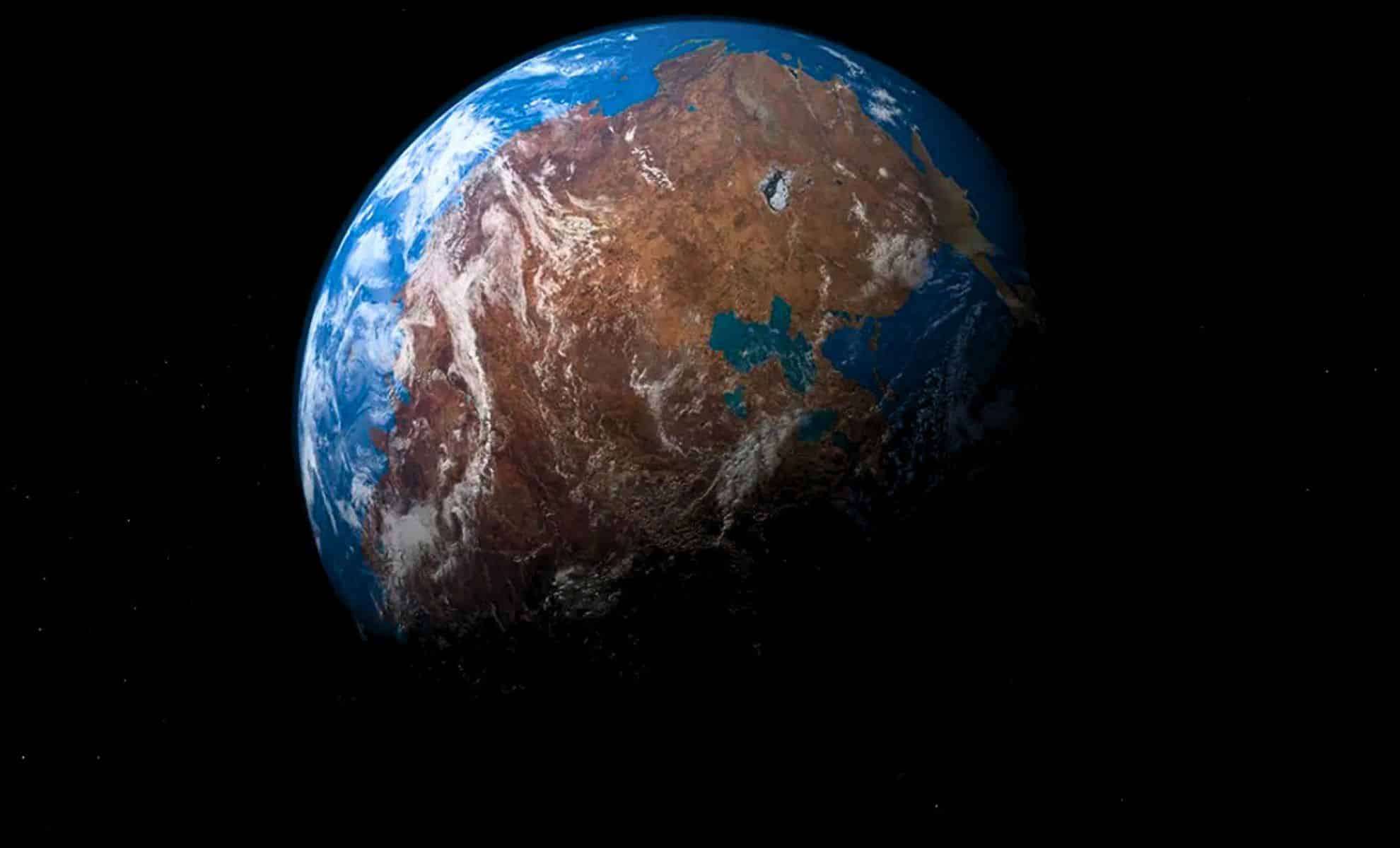
Earth’s landscape undergoes constant transformation through gradual geological forces, with tectonic plate motions playing a crucial role over millions of years. Recent investigations provide insights into how our planet’s appearance could evolve in the distant future, focusing on how tectonic changes alongside ocean tides influence both landforms and marine ecosystems.
The Birth of a New Supercontinent Through Continental Drift
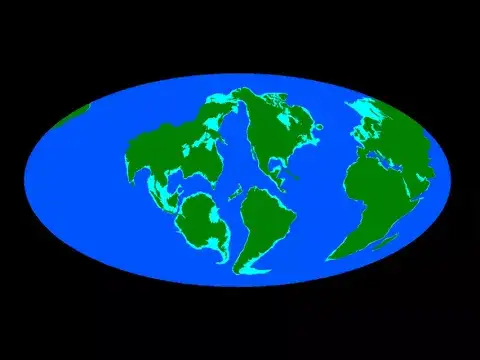
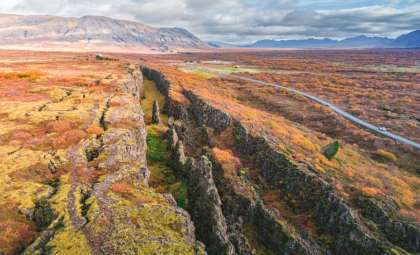
About 200 million years ago, the supercontinent known as Pangaea fragmented, giving rise to the continents we recognize now. Nevertheless, the tectonic plates beneath the surface remain active, and scientists predict that another supercontinent will emerge as plates continue their slow migration.
Advances in plate tectonic studies reveal that Earth’s surface is continuously reshaped by collisions and movements of continents. Current geological models indicate that the assembly of a new supercontinent will occur over the next several hundred million years, drastically altering both land and ocean configurations.

This reassembly will unite the continents once more into one massive land area, similar to Pangaea’s formation. These shifts will also modify the shape and volume of ocean basins, impacting tidal behavior and potentially transforming marine habitats. Consequently, both terrestrial layouts and tidal patterns will experience significant changes.
Investigating the Connection Between Tectonics and Ocean Tides
A recent article featured in Geophysical Research Letters explores the link between tectonic activity and the intensity of ocean tides. The research suggests that the configuration of ocean basins, shaped by shifting plates, directly influences tidal energy levels.
The resonance effect of ocean basins significantly enhances tidal forces, especially when their dimensions align with the gravitational pulls from the Moon and Sun. Currently, Earth is in a phase marked by strong tidal energy that has persisted for roughly two million years, aiding nutrient circulation vital for oceanic life.
Nonetheless, as tectonic plates continue their drift forming the impending supercontinent — detailed further in this study — tidal forces are expected to diminish, eventually leading to a period characterized by weaker tides reminiscent of those during formations of Pangaea and Rodinia.
Impact of Tidal Energy on Ocean Life
Tidal dynamics play a pivotal role in sustaining ocean health by promoting the mixing of waters, which redistributes essential nutrients from the deep sea to surface layers. This nutrient circulation supports diverse marine organisms, from minute plankton to megafauna. However, declining tidal energy in a future supercontinent scenario could disrupt this balance.
A reduction in tidal strength may hinder the replenishment of nutrients, leading to a decrease in the availability of critical resources for marine species. Such changes could provoke widespread declines in ocean biodiversity and the emergence of "dead zones" with insufficient oxygen levels to maintain typical life forms. The resulting stagnant, oxygen-poor conditions near the seabed may further destabilize marine ecosystems.
Looking Ahead to Earth’s Future Oceans and Life
The interplay between tectonic drift and tidal energy cycles has profound implications for Earth’s long-term climate, marine environments, and biological evolution. Oceanographer Mattias Green from Bangor University notes the ongoing period of intense tidal forces may persist for another 20 million years, continuing to support ocean nutrient mixing crucial for marine life.
With the gradual emergence of the new supercontinent, tides will weaken, leading to calmer, less dynamic ocean systems. The research draws parallels to previous supercontinent episodes like Pangaea and Rodinia, when similarly low tidal energies prevailed. Such conditions could trigger lasting effects on climate patterns and the vitality of oceanic life.
These discoveries emphasize the intricate relationship between Earth’s tectonic mechanisms and tidal behavior, offering a valuable perspective on the planet’s distant future. By unraveling these connections, scientists aim to deepen our comprehension of the complex interactions shaping Earth’s surface, oceans, and climate over geological timescales.





0 comments
Sign in to Comment