
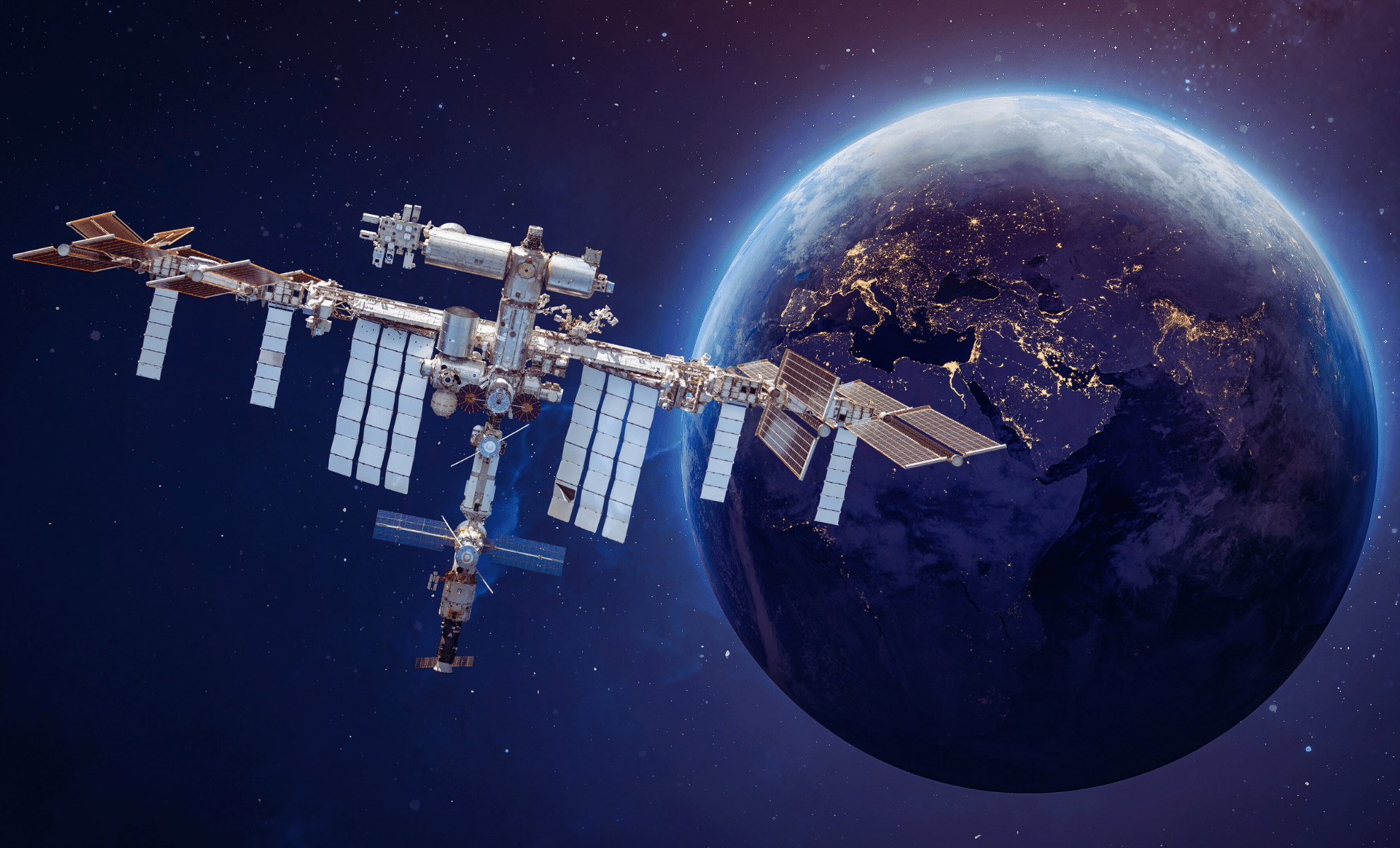
The International Space Station (ISS) is scheduled to conclude its mission in 2030, when NASA plans a controlled descent into Earth's atmosphere. As highlighted by Space.com, this prompts debates about maintaining a continuous human presence in low Earth orbit or potentially facing a hiatus similar to what followed the Skylab era.
The ISS: A Cornerstone of Space Collaboration and Research
Beginning with its initial module launches in 1998, the ISS has symbolized international teamwork and served as a critical laboratory for over 4,000 scientific studies. These experiments have explored everything from the chronic effects of microgravity on human physiology to creating novel materials unattainable on Earth. Beyond science, the station has provided crucial insights into long-duration spaceflight operations, such as managing system malfunctions, enhancing life support, and cultivating the skills required for future deep-space missions.
For more than twenty years, the ISS has guaranteed an uninterrupted human foothold in orbit, functioning as both a scientific hub and an emblem of enduring engineering. However, with aging hardware and mounting upkeep costs, NASA is preparing to transition away from direct station operation.

Reflections on Skylab’s Demise
The fate of the ISS brings to mind Skylab, America's inaugural space station. When Skylab re-entered Earth's atmosphere in 1979, debris showered parts of Western Australia. Local authorities even humorously fined NASA for littering, a reminder that space station retirements can be unpredictable and impactful.
More significantly, no immediate replacement was deployed after Skylab, leading to a multi-decade gap before the ISS began operations. This interruption slowed advancements in space science and human spaceflight ambitions, a cautionary tale influencing NASA's current strategies.
NASA’s Vision for Life Beyond the ISS
NASA isn’t pursuing a direct successor to the ISS. Instead, its focus is shifting toward projects like the Lunar Gateway, a compact lunar orbit station intended as a hub for Artemis missions. Political shifts and funding uncertainties, however, leave the Gateway’s future somewhat in question.
Meanwhile, NASA’s Commercial LEO Destinations program encourages private industry to design, build, and manage orbital platforms. Under this initiative, NASA would be one among multiple customers, leasing space and research opportunities rather than bearing the full financial and operational responsibility of owning and running a station.
Emerging Contenders in Commercial Orbital Stations
Several companies have jumped into this arena. Orbital Reef, developed with support from Blue Origin and Sierra Space, promises a flexible space for research, manufacturing, and tourism. Meanwhile, Starlab combines expertise from Voyager Technologies and Airbus, aiming to foster transatlantic collaboration.
Leading the charge is Axiom Space, currently constructing the first piece of the Axiom Station. Set to launch on a Falcon Heavy rocket and dock with the ISS in 2027, this module will initially depend on the ISS but is intended to detach eventually and grow into an independent station, potentially doubling the current ISS habitable volume.
Axiom’s experience extends to private astronaut missions to the ISS, allowing them to test communications and experiment management, paving the way for a smooth transition. This positions Axiom as a promising ISS successor, ensuring ongoing human activity in orbit.
Envisioning a Market-Driven Future in Low Earth Orbit
Should companies like Axiom and others succeed, low Earth orbit may transform into a thriving commercial environment. Beyond government projects, possible ventures include gravity-free hotels catering to tourists, factories crafting high-value products, and advanced biotech research conducted under unique space conditions.
NASA’s confidence in this commercial model stems from precedents like the Commercial Crew Program, which fostered developments such as SpaceX’s Falcon 9 and Dragon spacecraft. By investing early and encouraging private innovation, NASA aims to maintain orbital infrastructure without sole ownership.
This new approach envisions a shared space economy involving national agencies, private firms, and explorers, ensuring humanity’s ongoing presence in orbit well beyond the ISS’s final descent.
- Categories:
- News










0 comments
Sign in to Comment