
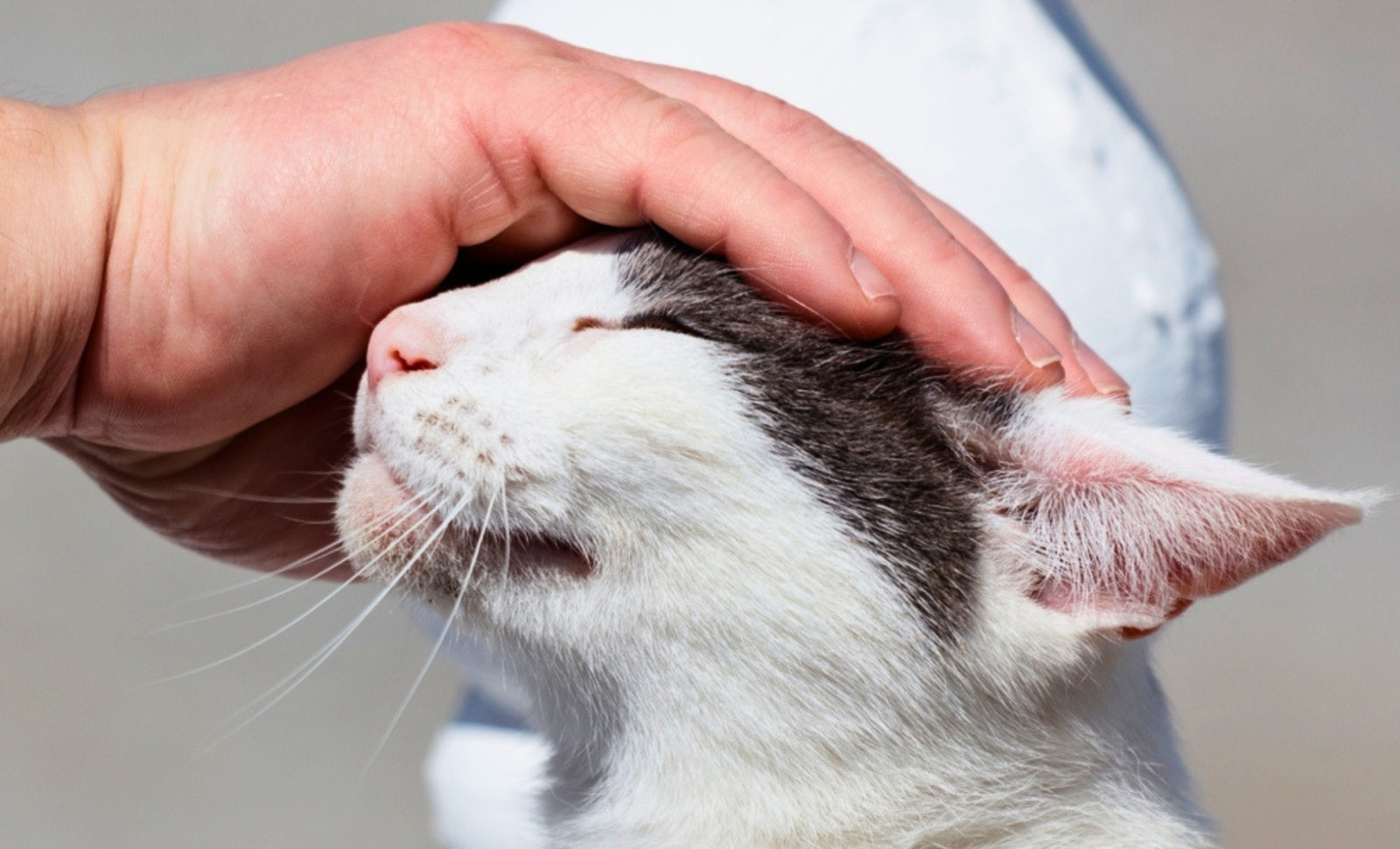
Cats are seldom featured in formal stress-relief initiatives on college campuses. Recent research indicates that those who benefit most from time with cats are precisely the individuals who actively seek such interactions. Published in the journal Anthrozoös, the study reveals that people with intense emotional reactivity tend to prefer spending moments with cats during animal-assisted activities.
An extensive survey involving over 1,400 university students and staff across more than 20 institutions uncovered a relationship between the personality trait called emotionality and an increased curiosity for cat visitation events. Emotionality, one of the Big Five personality dimensions, reflects how powerfully someone experiences feelings and how quickly they respond emotionally.
"Emotionality remains a stable part of personality rather than something that changes frequently," explained Patricia Pendry, a professor at Washington State University’s Department of Human Development and co-author of the findings. "Our data showed that individuals with higher emotionality expressed a marked interest in engaging with cats on campus."

Alongside KU Leuven’s Joni Delanoeije, Pendry investigated whether incorporating cats in campus-based stress relief programs could boost attendance. Notably, over 85 percent of existing efforts involve dogs. The study also explored interest among university staff, who frequently lack access to such initiatives, as outlined by Washington State University.
How Cats Soothe Certain Emotional Profiles
The research from WSU aligns with other work highlighting the physical impact of human-cat interactions. The Cornell Feline Health Center has documented that just ten minutes of petting a cat or dog reduces cortisol, the hormone linked to stress, in saliva. This effect was particularly observed in college-aged participants enduring continuous pressure.
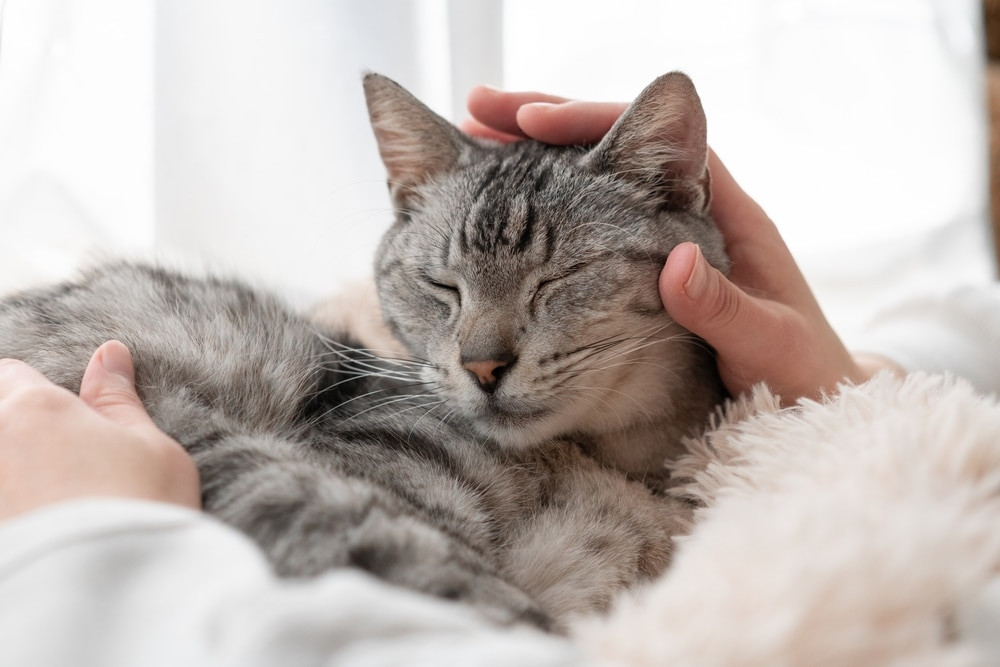
Individuals who experience emotions deeply may experience rapid relief through gentle contact that eases stress physiology. Interactions with cats function both as a preventative measure and as stress alleviation. According to Cornell's feline center, the process is a simple, low-risk way to lower stress. The rhythmic action of stroking, the feel of fur, and the calming sound of purring work together to help stabilize emotions quickly.
Personality Trumps Role or Position
Interest in cat-based activities appeared regardless of demographics. The team found no substantial difference between students and university staff. Traits related to personality outperformed status in predicting who wanted to participate in cat visits.
"While college student populations have their unique characteristics," explained Delanoeije, "our data showed remarkably similar trends among university employees, indicating that personality factors carry more weight than whether someone studies or works on campus."
The link between emotionality and willingness to engage with cats persisted even after considering factors like previous cat ownership, gender identification, and openness to dog programs. Expectedly, allergies and fears reduced enthusiasm, but the core personality connection remained significant.
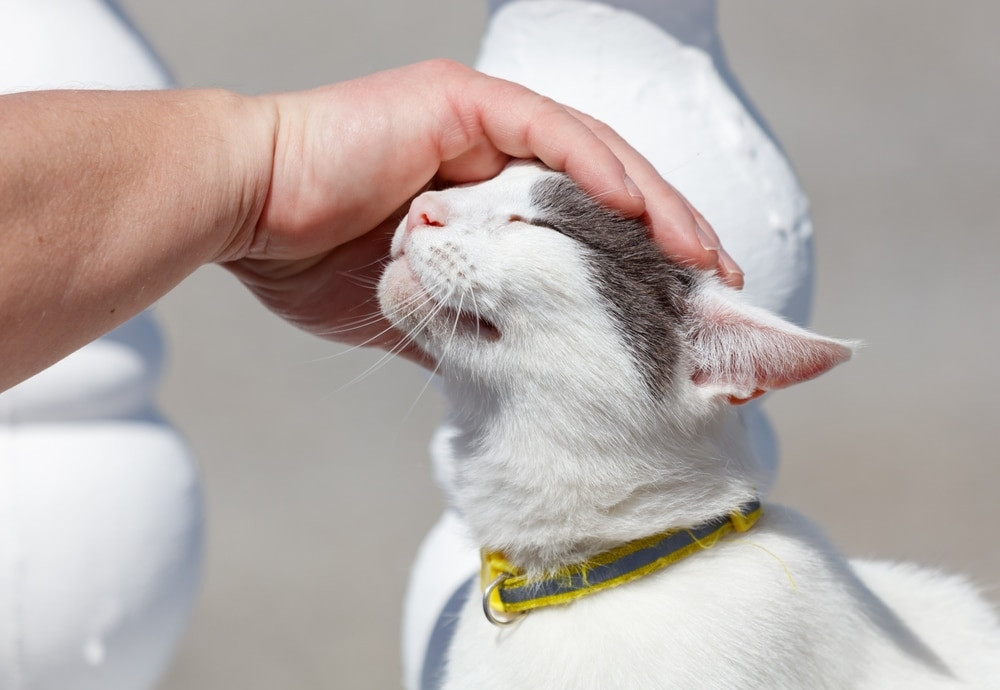
Pendry emphasized that these insights challenge common stereotypes. "Commonly, people say dog lovers differ from cat lovers and that most students don’t gravitate toward cats," she remarked. "Our research counters this notion, showing strong student interest in cats linked to distinct personality characteristics."
Insights from Frequent Cat Interaction
Regularly seeking out cats offers clues about a person’s emotional makeup. Those who frequently pet cats often rate higher in emotional sensitivity and empathy, preferring serene, low-stimulation settings and relationships that feel authentic rather than demanding.
The bond between humans and cats supports these tendencies. Cats tend to offer affection selectively and typically do not require constant attention. For individuals overwhelmed by more demonstrative animals, this selectiveness feels safer and more restorative. The interaction follows a mutual rhythm: cats initiate contact when desired and withdraw when not.
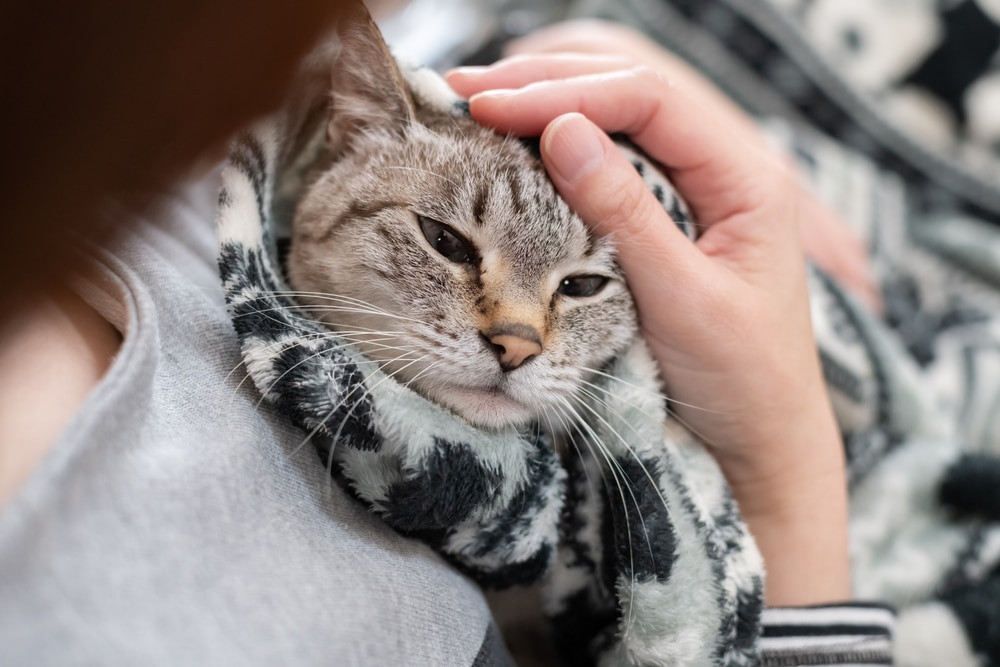
Brief daily moments of petting a cat can serve as practical emotional regulation. The reliability of calm companionship offers a comforting anchor during times of stress or exhaustion. Physical touch combined with the sensory calm from a purring cat interrupts stress responses in a way that is easy to repeat. Such interactions also trigger oxytocin release, a hormone linked to calming and bonding, which may encourage continued engagement.
Broadening Animal-Assisted Programs Beyond Dogs
Most formal animal-assisted interventions tend to focus on dogs due to the greater number of trained therapy dogs and their reputation for predictable friendliness. Pendry addressed the stereotypes surrounding cats.
"Dogs are generally seen as eager to please," she said. "Cats, on the other hand, are described as ‘selective’ and often viewed as unpredictable or aloof, which can be challenging for some people."
The data indicates excluding cats from stress relief programs limits outreach, particularly for individuals most likely to find feline interaction beneficial. Offering choices between cats, dogs, or both could attract participants whose personalities don’t align well with dog-only events.
The Centers for Disease Control and Prevention provides guidance for those handling cats frequently. It recommends thorough handwashing after contact with cats, their food bowls, or litter boxes due to the potential transmission of germs, even from healthy-looking cats. These precautions do not diminish the emotional advantages, but rather ensure that repeated interactions remain safe.
- Categories:
- News








0 comments
Sign in to Comment