
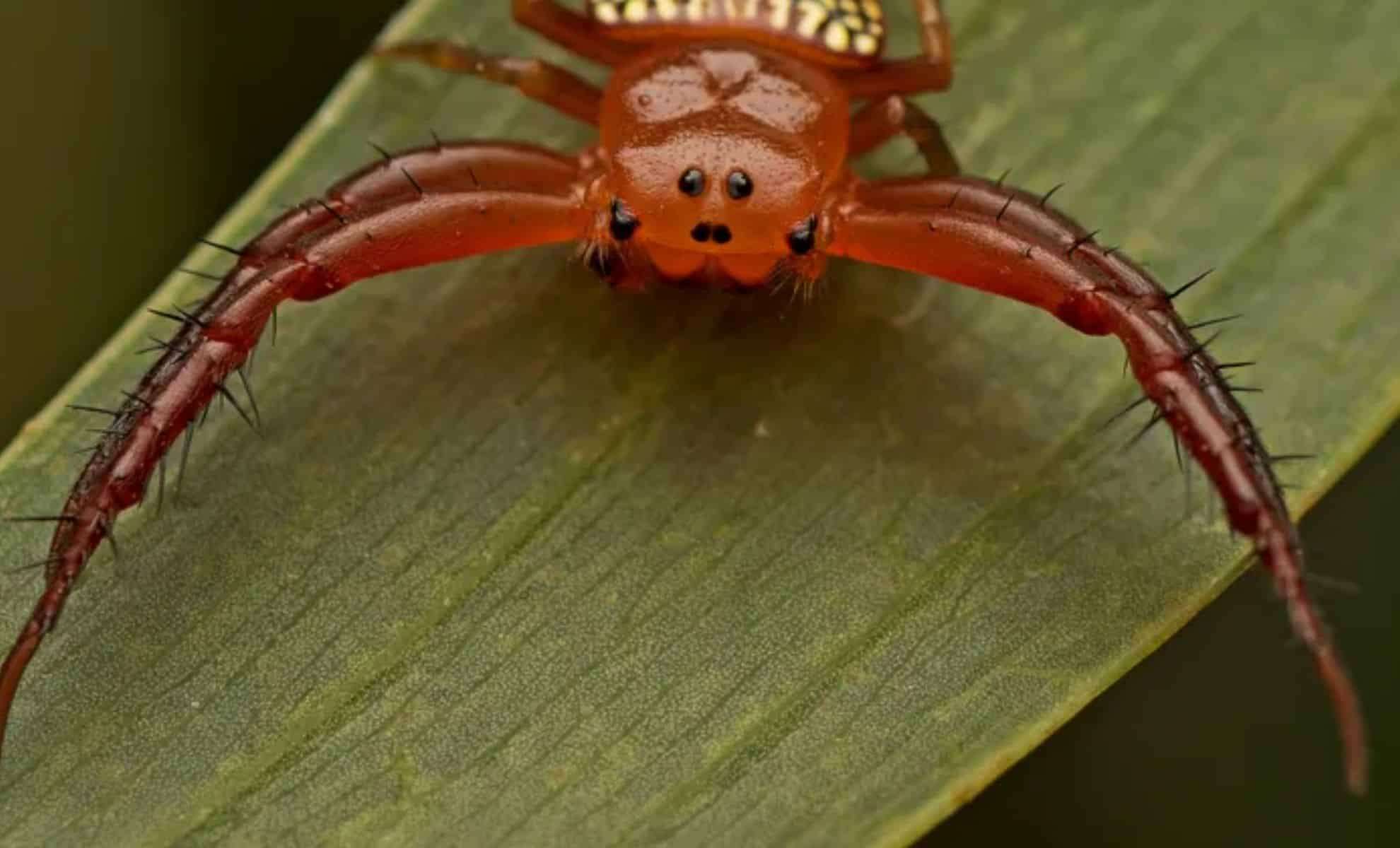
Dwelling in Australia’s diverse ecosystems is the intriguing Walckenaer’s studded triangular spider (Arkys walckenaeri), a member of the unique orb-weaver group known as Arkyinae. These spiders stand out because of their distinctive triangular body design, earning them the nickname "triangular spiders." Unlike many spiders that depend on webs for capturing prey, these arachnids utilize their body shape for camouflage and rely on ambush tactics to hunt.
Camouflage Techniques Hidden in Plain Sight
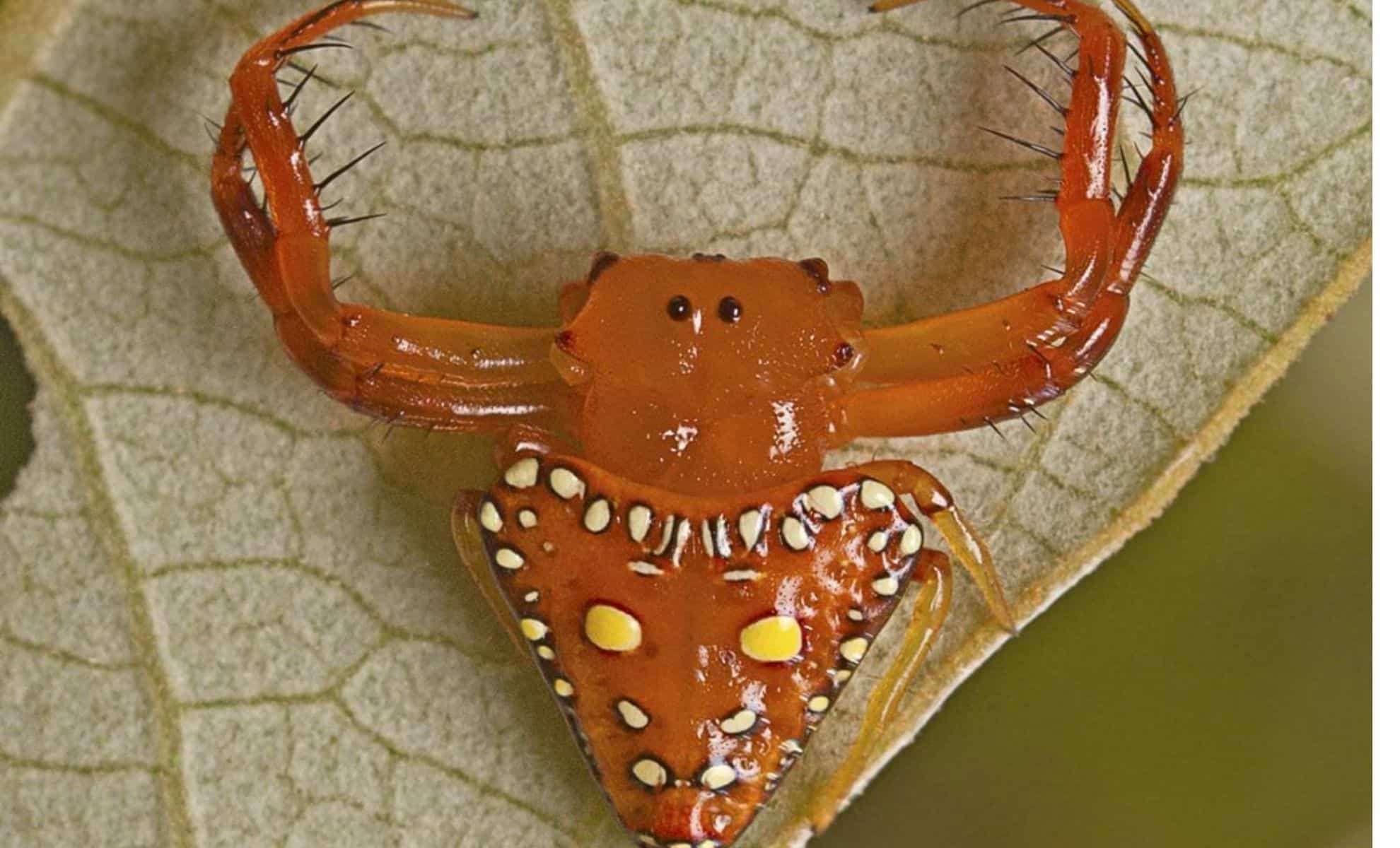
As reported by IFLScience, one of the most captivating traits of the Walckenaer’s studded triangular spider is its uniquely shaped triangular abdomen, which can sometimes resemble a heart or a leaf. This distinctive form enables the spider to merge perfectly with natural surroundings such as foliage, patiently waiting for insects to approach.
Color variations occur depending on the region: spiders from Queensland typically display white markings over vibrant orange or red hues, while individuals from western, southern Australia, and Tasmania tend toward pale yellow tones with more subtle patterns. Other close relatives in the genus Arkys abandon the triangular form altogether, instead mimicking bird droppings, further enhancing their camouflage toolkit.

Ambushing Prey Without Webs
Contrasting many orb-weavers, Walckenaer’s studded triangular spider does not build webs to ensnare prey. Instead, it employs its curved forelegs to lie in wait beneath leaves, capturing small insects and other arthropods through ambush. Their silk is primarily reserved for creating egg sacs—usually pink or orange—deposited in late summer.
Although their mating behaviors remain largely mysterious, researchers suspect these spiders might use intricate movements paired with pheromone signals during courtship. This gap in knowledge opens exciting possibilities for future research into their reproductive strategies and life history.
Australia’s Varied Ecosystems Foster Unique Spider Adaptations
Walckenaer’s studded triangular spider and its kin thrive across multiple habitats, including eucalyptus forests, woodlands, and even suburban gardens. Their ability to modify camouflage strategies and prosper in diverse surroundings showcases their evolutionary resilience. Importantly, these spiders are harmless to humans and play a subtle yet vital role in their ecological communities.
The spider world continually reveals astonishing phenomena. For instance, some parasites can influence spiders’ behavior in extreme ways, such as compelling them to approach water prior to death. In a remarkable scientific advancement, researchers have harnessed CRISPR gene editing to develop spiders that produce luminescent red silk.
With their striking shapes and stealthy hunting methods, these triangular spiders deepen our appreciation for nature’s diversity and the innovative adaptations life employs to survive.
- Categories:
- News






0 comments
Sign in to Comment