
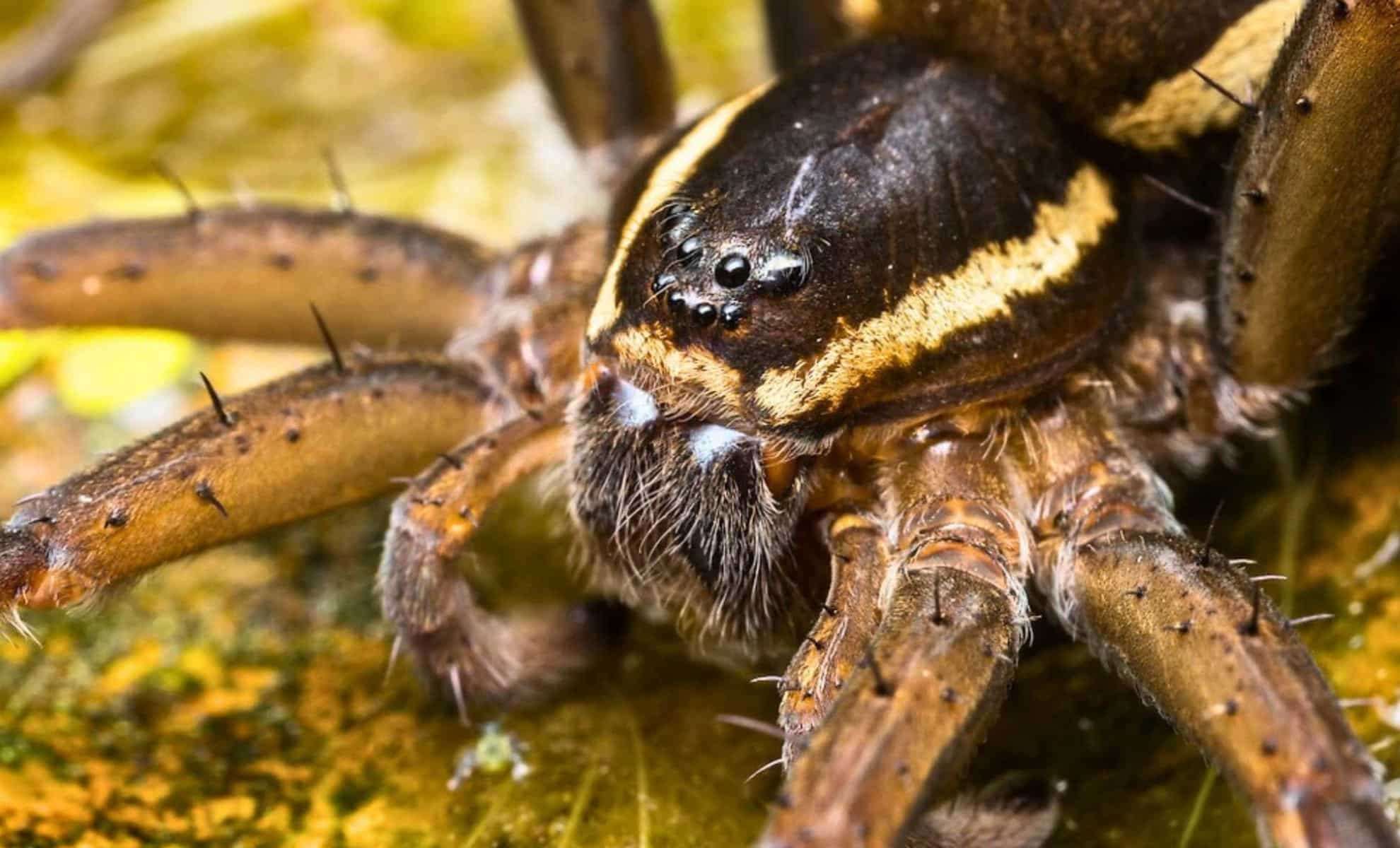
Envision a spider as large as your palm, effortlessly skimming water surfaces and swiftly capturing prey. This is the dolomedes plantarius, commonly referred to as the great raft spider, a semi-aquatic hunter that once faced near extinction in Europe.
Recognizable by its rich chocolate-brown coloring and bold cream stripes, this spider’s population had drastically fallen due to the loss of wetland habitats caused by urban growth and farming. Yet, recent conservation initiatives have driven an impressive resurgence of the species.
UK Conservation Programs Drive Remarkable Species Revival
A decade ago, prospects for the dolomedes plantarius appeared grim, with its habitat severely diminishing and pushing the species close to vanishing. The Chester Zoo in the UK played a pivotal role by launching an intensive captive breeding initiative. Researchers nurtured thousands of juvenile spiders, feeding them tiny flies until mature enough to thrive outside captivity.

These spiders were subsequently released into rehabilitated wetlands, a method that has yielded significant success. The Royal Society for the Protection of Birds (RSPB) now reports over 10,000 breeding females found in the UK, signaling a significant population rebound. Currently, these spiders act as key predators in their habitats, controlling populations of insects, tadpoles, and small fish.
Gradual Return in France Signals Hope for Species Expansion
The great raft spider remains less prevalent in France, yet steady signs of recovery are evident. Rediscovered in 2014 within the Nord-Pas-de-Calais area, this finding suggested that a larger, previously undetected population might exist. A 2016 survey confirmed dolomedes plantarius presence across 22 French departments, including key regions like Picardy and Normandy.
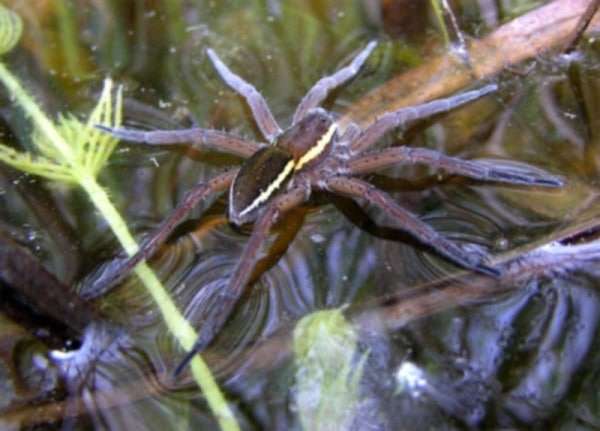
Though less widespread than in the UK, conservationists are hopeful that ongoing wetland restoration efforts will enhance the spider’s population. The species depends heavily on specific aquatic habitats, underscoring the importance of protecting these environments.
The Great Raft Spider’s Key Role in Wetland Environments
The dolomedes plantarius is more than an intriguing species; it plays a crucial part in sustaining wetland ecosystem balance. Its unique ability to move on water and ambush prey effectively makes it a vital regulator of aquatic insect populations. This natural control helps maintain ecological stability, preventing disruptions in delicate wetland habitats.
Acting as an apex predator, it supports overall ecosystem health and diversity, benefiting a wide array of animals, from amphibians to birds.

Great Raft Spiders Pose No Danger to People or Cities
Despite its impressive size and rising visibility, the great raft spider is harmless to humans and avoids urban environments. Unlike some large spider species, dolomedes plantarius thrives solely in wetland areas like marshes, ponds, and slow-moving waterways.
They do not venture into homes or cities. Their increasing numbers in natural settings represent a positive indicator of habitat restoration rather than a threat.








0 comments
Sign in to Comment