
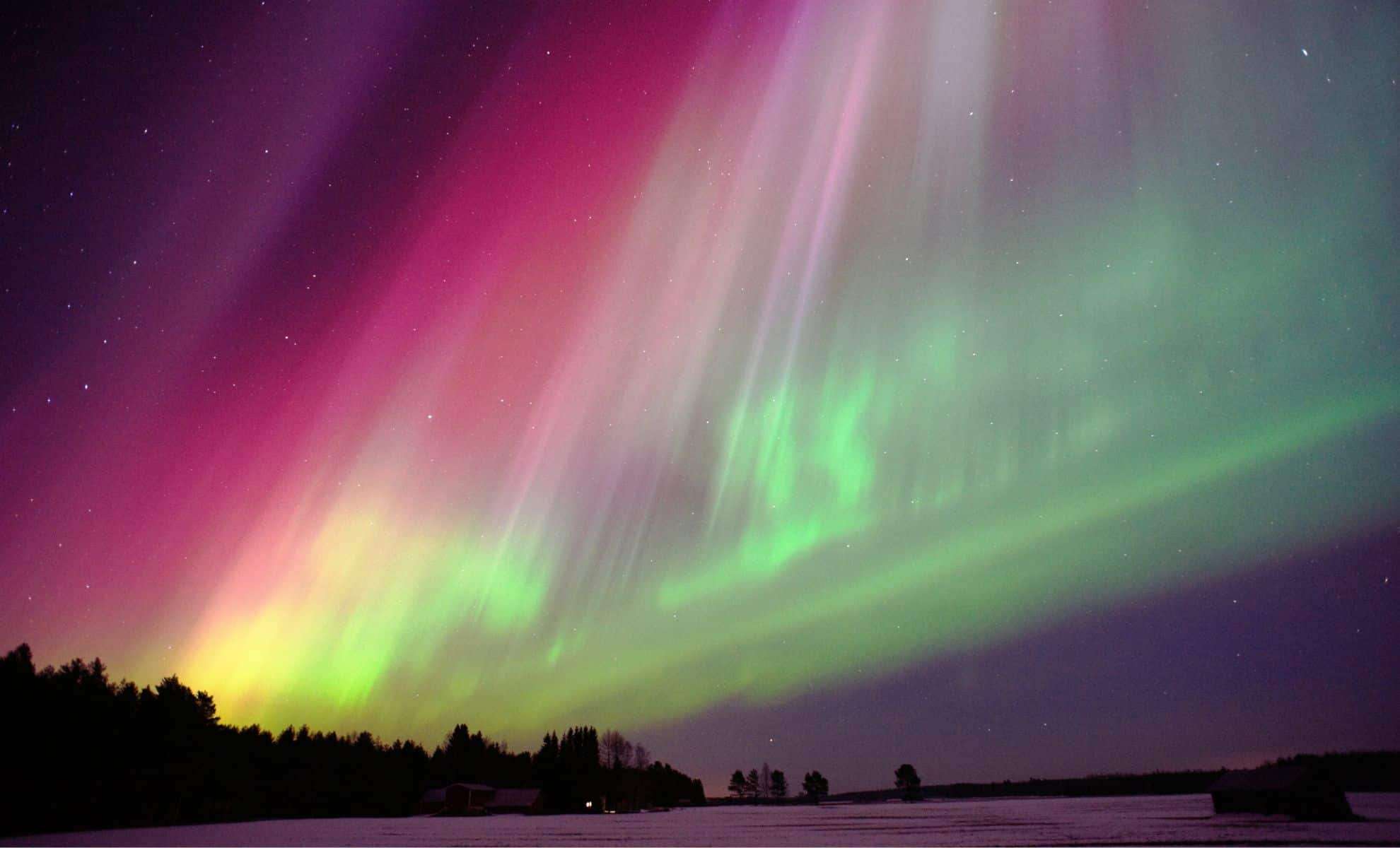
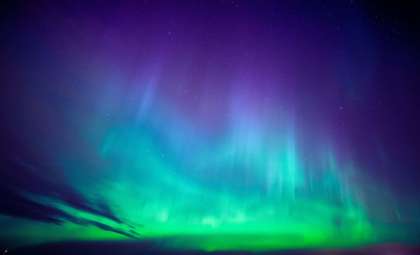
The Aurora Borealis, also known as the Northern Lights, could be visible in parts of the United States on the evening of August 12, 2025. According to NOAA, although significant geomagnetic storms or major solar activity aren't expected, the probability of spotting the aurora remains moderate, particularly in northern states near the Canada–U.S. border.
What the Kp Index Tells Us About Aurora Visibility
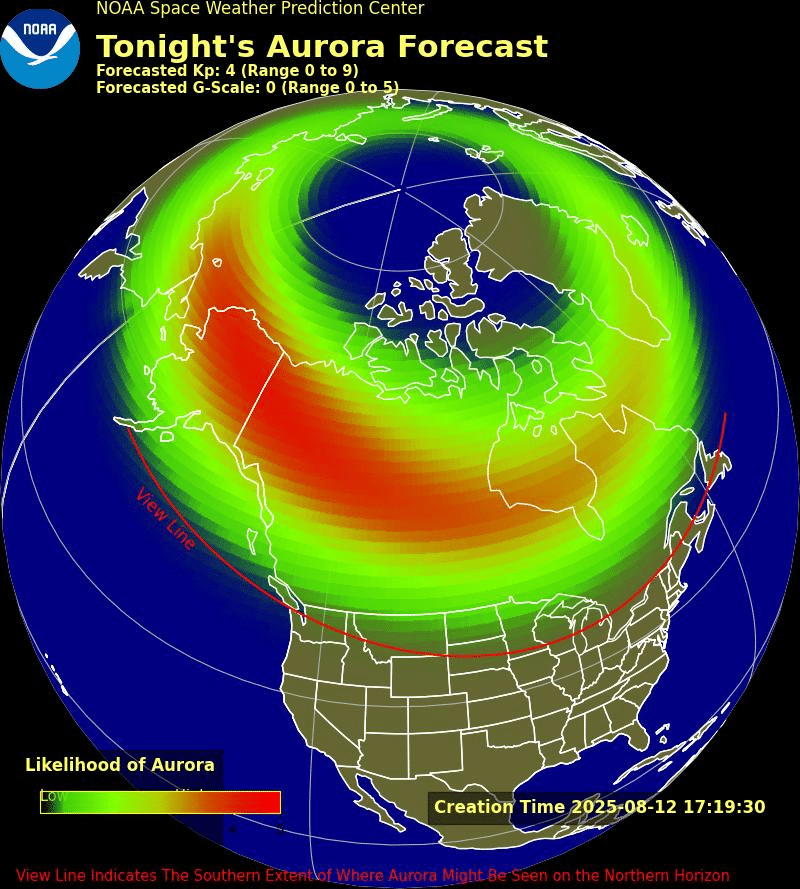
The Kp index gauges Earth's geomagnetic disturbance levels on a scale from 0 to 9. Higher values signal stronger geomagnetic activity and increase the chance of seeing the Northern Lights. For August 12, 2025, NOAA's forecast sets the Kp index at four, suggesting a modest opportunity to witness the aurora in regions just south of Canada. While the activity may not be as intense as during major geomagnetic storms, viewers in these areas could still catch glimpses of the display.
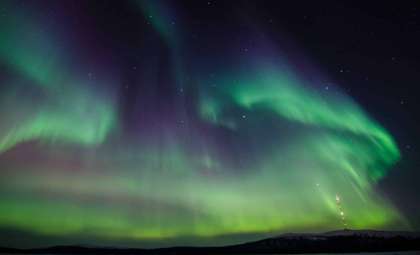
Even without powerful geomagnetic events, the Aurora Borealis won't vanish entirely. Instead, the phenomenon will be subtler and less extensive. Residents of Alaska, positioned closer to the Earth’s magnetic poles, are expected to enjoy the most vivid and reliable auroral shows.

Top Destinations for Catching the Northern Lights This August
Though the Northern Lights commonly grace areas near the Arctic Circle, several U.S. states offer excellent vantage points to experience this celestial spectacle. Alaska leads with the highest likelihood of displays on August 12, 2025, particularly as night falls.
Additional states with a chance of spotting the aurora include Washington, Idaho, Montana, the Dakotas, Minnesota, Wisconsin, Upper Michigan, and Maine. In these locales, the lights will generally be fainter, so seeking out places free from urban light pollution and with clear skies will improve your odds.
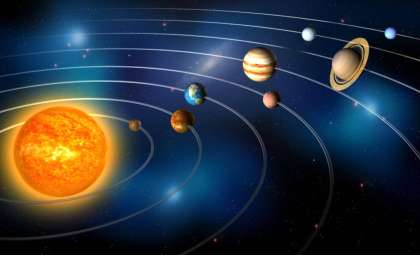
While the Northern Lights are more prominent during long winter nights, their visibility extends into other seasons depending on solar activity cycles. These lights stem from interactions between solar particles and Earth’s magnetosphere, with heightened occurrences during solar maximum phases when solar output peaks.
Optimal Viewing Times and Conditions for Auroras on August 12
To increase your chances of witnessing the Northern Lights, plan to watch between 10 p.m. and 2 a.m. local time on August 12. This timeframe corresponds to the darkest skies and the peak of geomagnetic activity, maximizing the aurora’s brightness.
Remember that clear skies are vital for aurora spotting, so checking the local weather forecast beforehand is essential. Avoiding areas with heavy light pollution and choosing elevated locations such as hills or mountains can enhance visibility, allowing a clearer and more impressive observation.
Tips for Capturing Beautiful Aurora Photographs
Photographing the Northern Lights demands suitable equipment and specific techniques. Using a camera with a wide-angle lens and a low aperture (F-stop below 4) helps gather enough light to capture the aurora's glow effectively.
Smartphone users should utilize night mode, turn off the flash, and stabilize their device—ideally with a tripod—to reduce motion blur during longer exposures. Setting the focus to infinity ensures sharper images of the distant auroras.
Experimenting with test shots will allow adjustment of shutter speed and exposure depending on the aurora's brightness. A faster shutter speed can freeze the movement but avoid making it too quick to prevent underexposed or blurry photos.
Exploring the Science Behind the Aurora Borealis
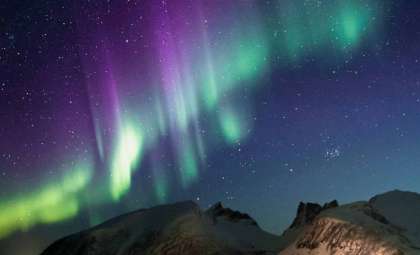
The shimmering lights of the Aurora Borealis occur when charged solar particles collide with gases in Earth's upper atmosphere, energizing them to emit light. Various colors arise depending on the types of gases involved and the altitude where the interactions take place — oxygen can create green or red hues, while nitrogen contributes to purples and blues.
Intense auroral events are often triggered by solar phenomena such as coronal mass ejections (CMEs) or solar flares, which send increased streams of particles toward Earth. Currently, the Sun is in a solar maximum phase, marked by elevated activity that results in more frequent and spectacular aurora performances.
- Categories:
- News


0 comments
Sign in to Comment