
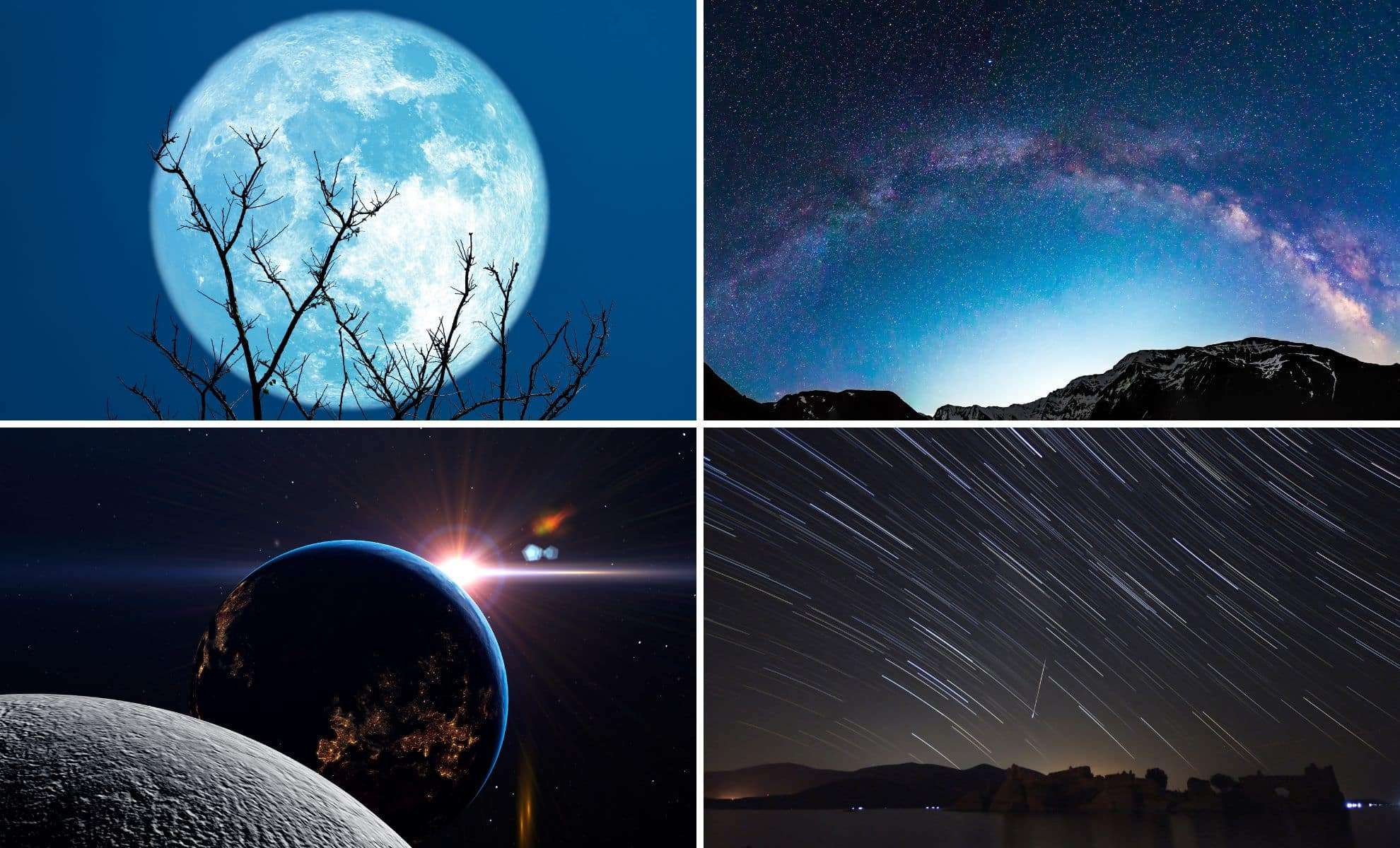
Sky enthusiasts have much to anticipate in August 2025. Forbes reports that this month’s night sky will feature spectacular occurrences, including a rare planetary alignment and the eye-catching Perseid meteor shower. Whether you’re a dedicated astronomer or an occasional stargazer, the skies hold several exciting events to enjoy. Let’s explore what makes August 2025 a special month for celestial observations.
August's Full Moon: The Vibrant Sturgeon Moon
The full moon in August, called the Sturgeon Moon, graces the evening of August 8 and extends into the early morning of August 9. Rising shortly after sunset, it casts a warm orange glow along the eastern horizon, creating a remarkable and colorful display for those lucky enough to catch it. Its name originates from the period during which sturgeon fish were traditionally most plentiful in North American Great Lakes waters, making it culturally significant as well as visually impressive.
For the best experience, view the moon from locations free of heavy light pollution, ideal for photographers or those simply appreciating a magnificent lunar show. Although full illumination peaks later, the moon’s early rise promises a breathtaking spectacle for all attendees at dusk on August 8.

Venus and Jupiter in Close Conjunction
Before dawn on August 12, skywatchers will be treated to an unusual occasion when Venus and Jupiter, the solar system’s brightest planets, will appear remarkably close, separated by only about one degree in the eastern-northeastern sky. This conjunction stands out as a fantastic opportunity to see these luminous worlds side-by-side, visible even through light-polluted skies.
To catch this celestial pairing, plan to observe roughly an hour before sunrise. Whether you’re new to star gazing or an experienced observer, this encounter of Venus and Jupiter promises an unforgettable view as they seem to nearly touch in the early morning light.
The Perseid Meteor Shower: A Dazzling Display
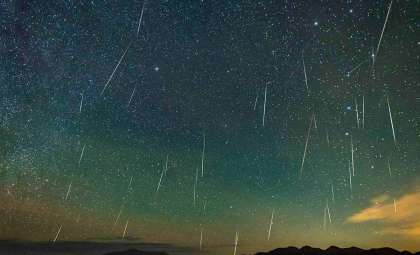
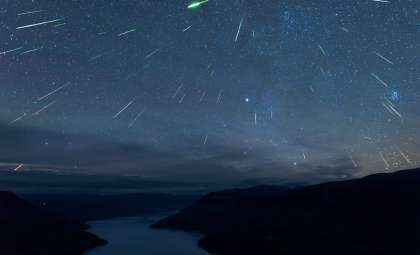
The Perseid Meteor Shower reaches its crescendo near midnight on August 12-13, delivering one of the year’s most awe-inspiring meteor displays. Yet this year, a bright 91% gibbous moon will compete with the meteors’ brilliance, reducing their visibility. To optimize your chances of spotting meteors, it's suggested to observe before midnight or around August 15, when the moon dims, granting darker skies.
The Perseids streak rapidly across the heavens, forming vivid light trails. Though the moon’s glow will overshadow some meteors, many will still shine through. For an enhanced viewing, away from urban lights and toward the northeast sky, you’ll witness a dazzling meteor shower that continues for days beyond the peak.
Early Morning Planet Lineup: The August Parade
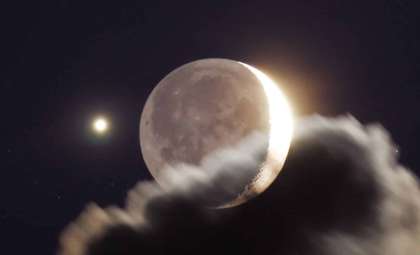
Between August 17 and August 20, an extraordinary planet parade unfolds during the pre-dawn hours. Over four mornings, Jupiter, Venus, and Mercury will trace a graceful arc above the eastern horizon. Adding to the spectacle, a thin waning crescent moon will traverse near these planets, culminating on August 20 with a delicate 9% crescent beside Venus.
This rare alignment offers a fantastic display for astronomy fans. Setting your alarm roughly an hour before sunrise will reward you with the full grandeur of this cosmic arrangement, a striking moment not to be missed.
Milky Way's Peak Visibility: A Night to Remember
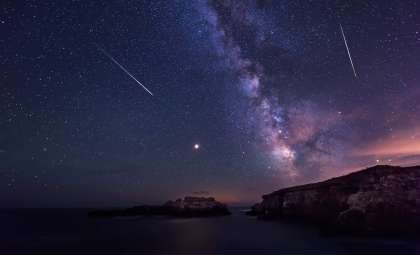
The magnificent Milky Way will be at its brightest and broadest from August 16 through August 26, coinciding with a moonless night phase ideal for stargazing. Observers can enjoy the galactic core in the southern sky, stretching from the famed Summer Triangle to the constellations Scorpius and Sagittarius. For the best views, choose a location far from city lights, such as an International Dark Sky Park, where light pollution is minimal.
If you have never witnessed the full splendor of the Milky Way, this period offers the perfect window. Whether through telescopes or with the naked eye, the vibrant clusters and glowing nebulae make this a must-see cosmic marvel.
The Black Moon: The Darkest Night of August
On August 23, the sky will experience a black moon, the third new moon in a season that hosts four. Though invisible, this phenomenon brings a night completely free of moonlight, creating rare conditions perfect for celestial observation and astrophotography. The absence of lunar glow allows stars, galaxies, and constellations to dazzle at their sharpest.
Regardless of your level of expertise, this moonless night is ideal to immerse yourself in the universe’s wonders without lunar interference. Equip yourself with binoculars or telescopes and explore the night sky’s fullest splendor.
Venus and the Beehive Cluster: A Morning Gem
On the morning of August 31, Venus will brighten the eastern-northeastern sky alongside the Beehive Cluster, a beautiful open star cluster located in the constellation Cancer. While Venus is visible to the naked eye, the Beehive Cluster will require binoculars or a small telescope to appreciate fully. This elegant pairing offers a more subtle yet captivating event for skywatchers.
If you rise early, this is an excellent moment to witness the dazzling planet paired with the cluster’s shimmering stars. The best time to observe is about an hour before sunrise, presenting a serene and stunning celestial duet.
- Categories:
- News



0 comments
Sign in to Comment