
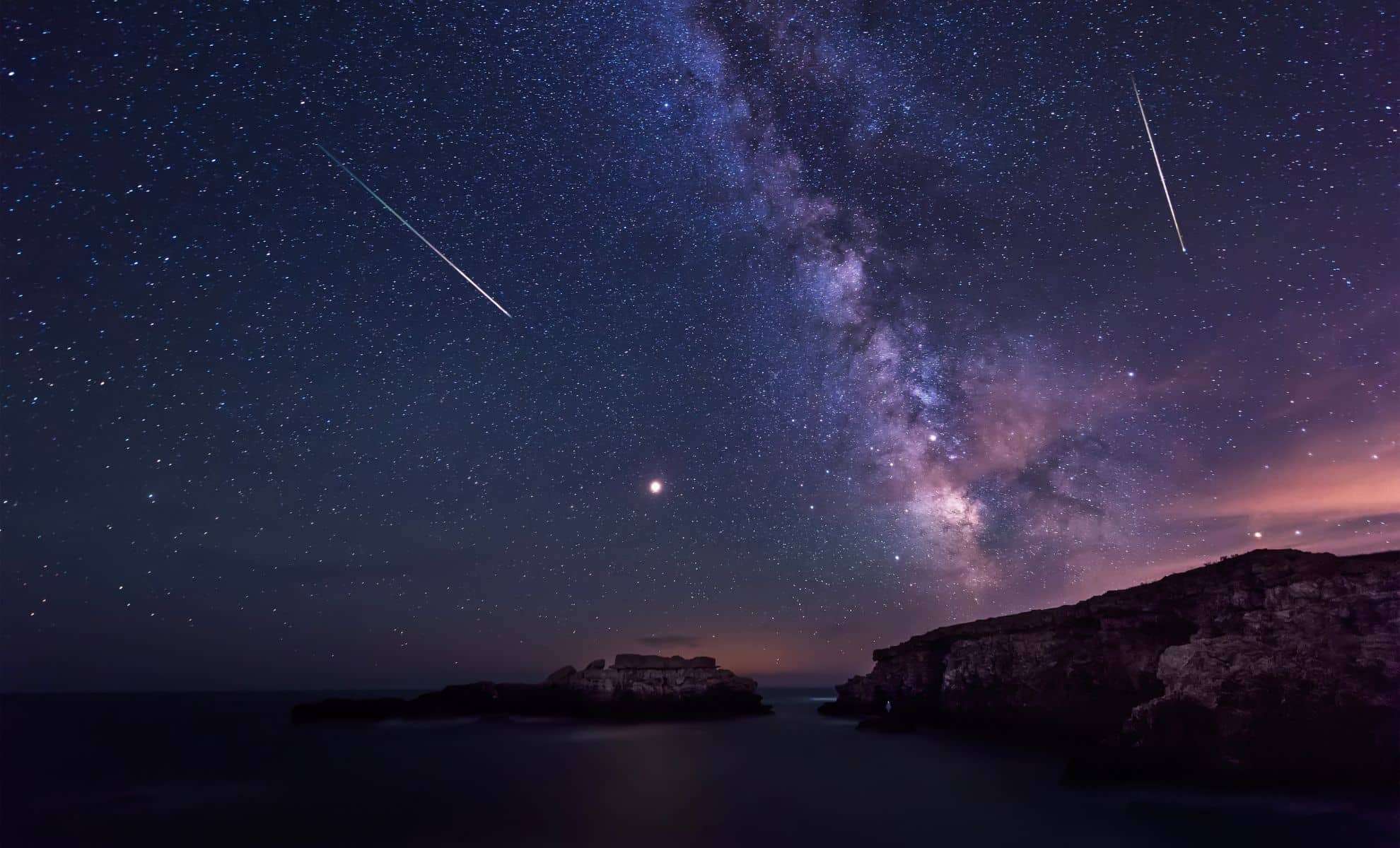
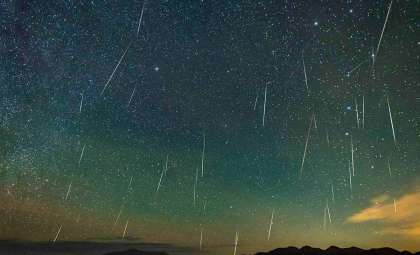
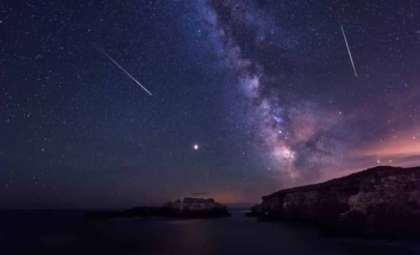
Sky enthusiasts worldwide have a rare opportunity this summer to witness a spectacular meteor display as the alpha Capricornids, Southern delta Aquariids, and Perseids all become active simultaneously. With skies expected to be clear through mid-August, this period promises abundant chances to catch dazzling shooting stars streaking across the night.
Alpha Capricornids: Bright Fireballs in Modest Numbers
The alpha Capricornids may not deliver large meteor counts, but their brilliance more than compensates. At maximum, observers under dark skies might see roughly five meteors per hour, reports the American Meteor Society (AMS). Despite their modest amounts, bright fireballs often appear, captivating audiences in both hemispheres.
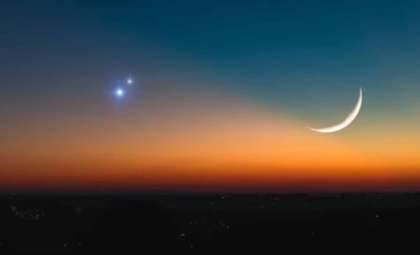
Originating from comet 169P/NEAT, which completes a solar orbit every 4.2 years, this shower occurs as Earth passes through the debris left behind by the comet. These tiny particles ignite upon entering the atmosphere, producing glowing trails that can sometimes linger. This year’s peak arrives overnight from July 29 to 30, accompanied by a 27% illuminated waning crescent moon, ensuring dark skies ideal for viewing.

Southern Delta Aquariids Visible in Early Morning
Predominantly seen from the Southern Hemisphere, the Southern delta Aquariids far outnumber the alpha Capricornids, producing as many as 25 meteors per hour under perfect viewing conditions. However, these meteors are generally dimmer, which can make them harder to spot, especially for northern observers.
NASA advises that the best window to observe this meteor shower is during the pre-dawn hours when the radiant point is highest in the sky and skies are darkest. This shower traces back to comet 96P/Machholz, which orbits the Sun every 5.2 years, leaving a trail of debris Earth intersects regularly.
Perseids Peak Despite Moonlight Interference
The Perseids remain the summer’s highlight for meteor watchers, renowned for their reliability and dazzling rates, especially in the Northern Hemisphere. This shower’s peak occurs from August 12 to 13, with typical activity reaching up to 100 meteors per hour under optimal dark skies.
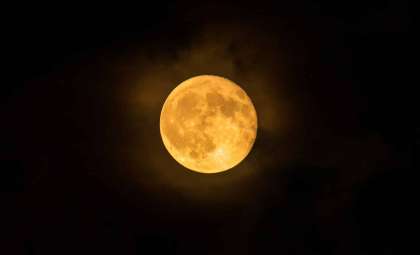
This year, however, skywatchers will contend with an 84% illuminated moon, which AMS notes could greatly diminish the shower’s visibility. The bright moonlight may diminish observable meteors by around 75%, leaving only the most luminous meteors visible.
Originating from comet 109P/Swift-Tuttle, the Perseids result from high-velocity particles burning up as Earth crosses the comet’s dense debris path. Although the moonlight may reduce the spectacle’s intensity, a clear, dark area still offers rewarding views of this legendary event.
- Categories:
- News



0 comments
Sign in to Comment