
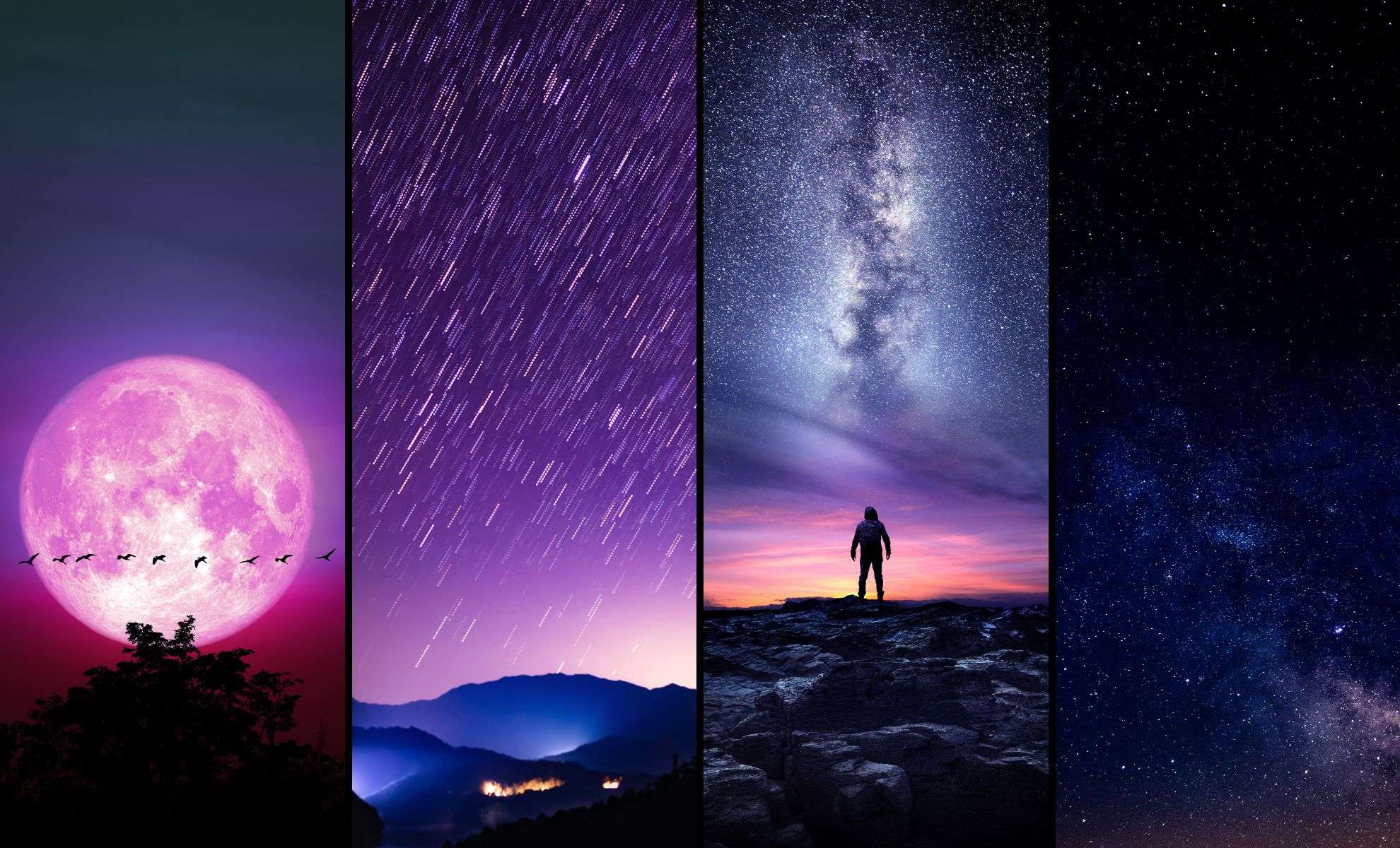
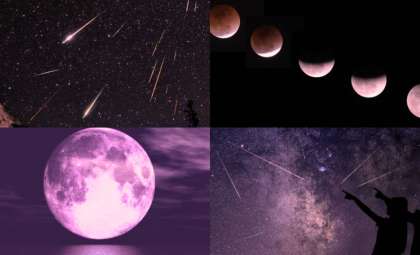
The skies of June 2025 are set to dazzle astronomy enthusiasts with an exciting lineup of cosmic phenomena. As detailed by National Geographic, this month includes the celebrated "Strawberry Moon," alongside notable planetary gatherings, meteor showers, and stellar clusters at their most vivid. Whether armed with binoculars, telescopes, or simply your eyes, June’s nightly views are truly special.
Venus Shines Bright Before Dawn — June 1
Beginning the month, Venus reaches its greatest western elongation from the sun on June 1. This positions the planet prominently in the early morning eastern sky for those in the northern hemisphere, and to the northeast for southern hemisphere observers. With the sun’s brilliance at bay, Venus appears as a brilliant beacon, perfect for both casual gazing and dedicated observation.
Hercules Cluster Peaks in Night Sky — June 2
June 2 marks the highest elevation of the Hercules Star Cluster, an impressive grouping containing more than 100,000 stars. Known as Messier 13, this globular cluster was first recorded by Edmond Halley in the early 1700s. While it’s tough to make out with the naked eye, binoculars or small telescopes reveal a sparkling gem, ideal for exploring one of the brightest clusters accessible from Earth.

Daytime Arietid Meteors Reach Their Height — June 7
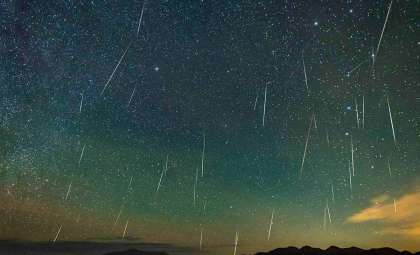
The lesser-known Arietid Meteor Shower peaks around June 7, shining mostly during daylight hours. Due to the bright daytime backdrop, spotting these meteors is challenging, but early risers might catch a glimpse of shooting stars just before sunrise. For a digital angle, NASA’s Meteor Shower Portal allows real-time monitoring, offering a unique way to experience this uncommon shower.
The Radiant Berry Moon Lights Up the Night — June 11
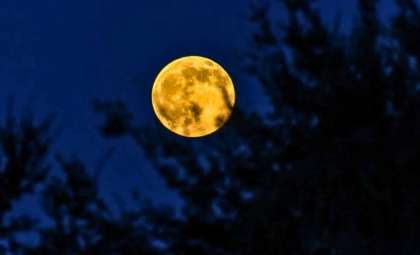
The standout lunar event is the Berry Moon, named for the season of wild strawberry harvests in North America. This full moon occurs on June 11 and, contrary to its name, does not glow red but shines vividly. Indigenous peoples have traditionally linked this moon to harvest time. European folklore referred to it as the "Honey Moon" or "Mead Moon," connecting it to honey gathering and June nuptials.
Mars and Regulus Form a Close Pair — June 16
Mid-month features a captivating conjunction as Mars approaches the bright star Regulus in Leo. Around 90 minutes post-sunset on June 16, observers will see Regulus— a complex system of four stars — glowing beside the red planet Mars, creating a striking sight through telescopes. Additionally, the Butterfly Star Cluster, distinguished by its wing-like pattern, peaks this night, an ideal binocular target.
Lagoon Nebula at Its Pinnacle — June 22
The expansive Lagoon Nebula, a stellar nursery filled with luminous gas and newborn stars roughly 5,200 light-years distant, reaches its highest altitude on June 22. Also called Messier 8, it can occasionally be glimpsed without aid under very dark skies, but binoculars or telescopes offer the best view. Located near the Milky Way’s center, this nebula provides a breathtaking glimpse into star formation.
New Moon Brings Perfect Darkness — June 25
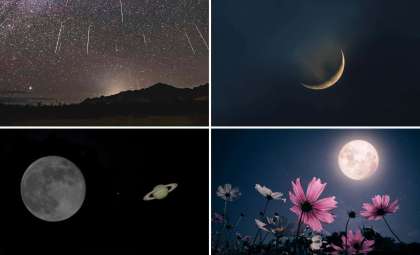
A new moon phase on June 25 ensures reduced lunar brightness, creating ideal conditions for viewing faint stars, galaxies, and nebulae. The darker skies offer astrophotographers an exceptional chance to capture the Milky Way’s glowing core prominently rising on summer nights across the northern hemisphere.
Bootid Meteor Shower Peaks — June 27
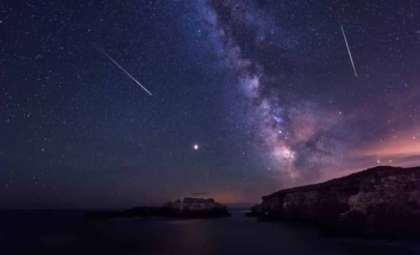
The Bootid Meteor Shower, known for fluctuating display rates, will reach its peak on June 27. While typically modest, some years produce a rain of meteors. With a waxing crescent moon providing minimal light pollution, observers have enhanced odds of spotting these fleeting streaks across the sky.
Moon and Mars in Close Alignment — June 30
Wrapping up the month, the waxing crescent moon passes within just over a degree of Mars on June 30, allowing viewers to observe both objects simultaneously through binoculars. This event also showcases the "earthshine" effect — a subtle glow on the moon’s shadowed area caused by sunlight reflecting off Earth — visible just after sunset or before dawn.
- Categories:
- News




0 comments
Sign in to Comment