
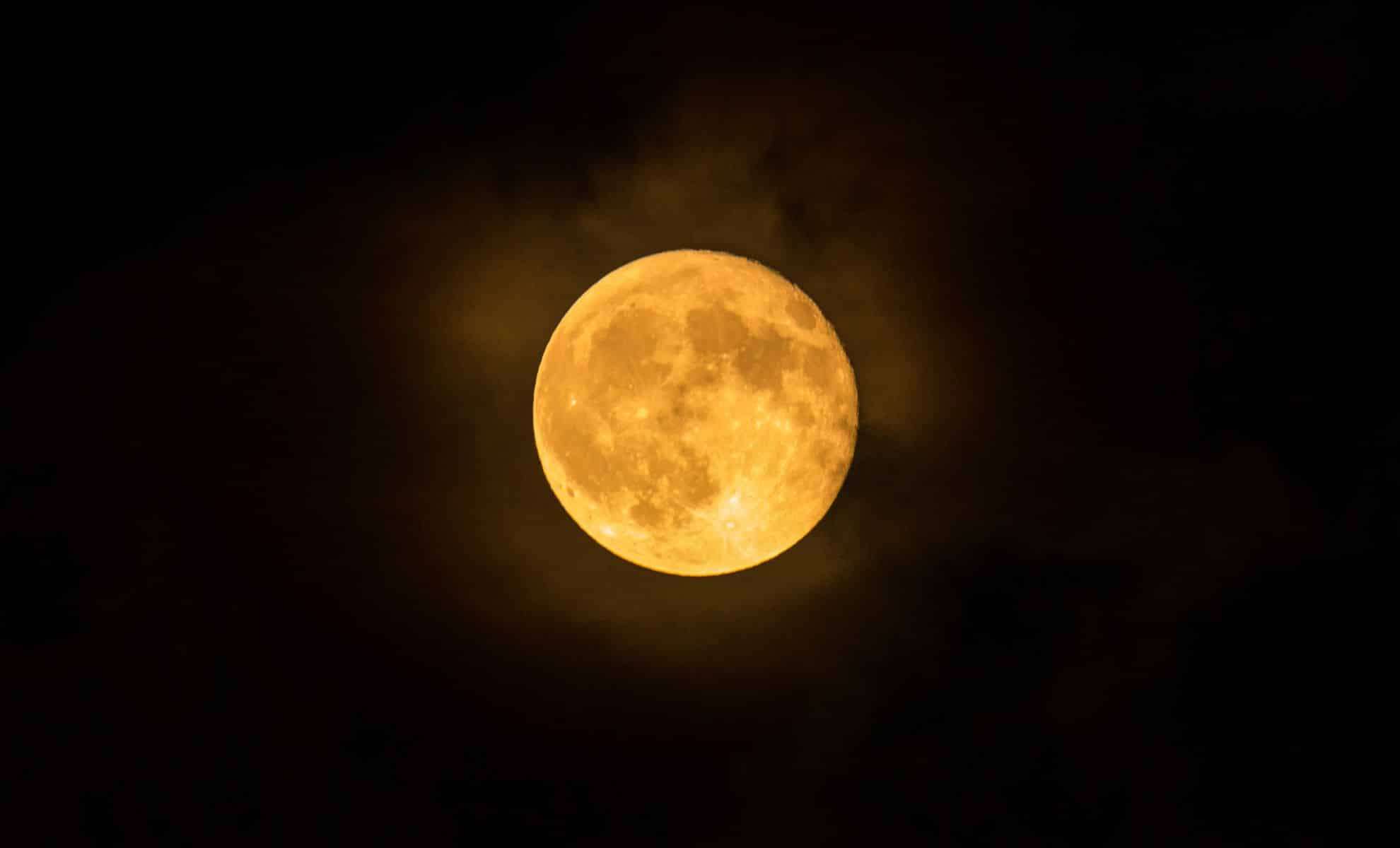
The Buck Moon is set to brighten the night this weekend, visible from Friday night through early Monday. Skywatchers have several evenings to enjoy its radiant appearance. This breathtaking lunar spectacle also serves as a reminder to stay cautious, especially amid the season’s increasing thunderstorm activity.
Origin of the Buck Moon Name
The term Buck Moon has deep roots in tradition, gaining popularity through the Maine Farmers’ Almanac in the 1930s. NASA explains that it traces back to the Algonquin tribes in the northeastern U.S., who named it after the male deer growing fresh antlers during this period. As the full moon glows across the summer sky, it reflects the emergence of these magnificent animals sporting new, velvety antlers. While Buck Moon is the most popular name, this full lunar phase has several alternative titles.
Also called the Thunder Moon, this full moon’s connection to summer storms highlights its electrifying nature. The name corresponds to the time of year when lightning and thunderstorms become more frequent. If you plan to observe the Buck Moon from areas prone to storms, NASA urges caution to avoid lightning risks.

Alternative Names for July’s Full Moon
The Buck Moon will reach its peak on Sunday, July 21, 2024, at 6:17 a.m. EDT, and it goes by various names across different cultures. Besides Thunder Moon, it is also called Asalha Puja, Guru Full Moon, Hay Moon, or Mead Moon. Despite these diverse titles, the moon’s symbolism remains significant worldwide.
While the Buck Moon captures attention this month, other notable lunar events are on the horizon.
Upcoming Lunar Highlights After the Buck Moon
Next up is the Sturgeon Moon, which will grace the sky on Monday, August 19, 2024. This moon will be a supermoon—the first of the year—appearing notably larger and brighter than typical full moons, providing a dazzling spectacle for astronomy fans. If you miss the Buck Moon, the Sturgeon Moon is a must-see.
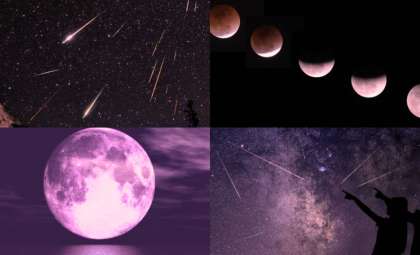
Additionally, a meteor shower will light up the skies on Saturday, July 31. Those living on the East Coast will find the best viewing window around 2 a.m., offering an extraordinary celestial show that complements the lunar events perfectly.
Although the Buck Moon is the highlight of this weekend, exciting nights filled with the supermoon and meteor shower promise to keep skywatchers enchanted in the weeks ahead.
- Categories:
- News






0 comments
Sign in to Comment