
As the 2024 winter solstice ushers in the briefest daylight period and longest night across the Northern Hemisphere, many look forward to the eventual return of extended daylight hours. Daylight saving time (DST), observed by nearly all U.S. states except for Hawaii and Arizona, aims to stretch evening sunlight during warmer seasons.
What You Should Know About Daylight Saving Time in 2025
The practice of adjusting clocks forward and backward to maximize daylight has been entrenched in the U.S. calendar for years. In 2025, DST will commence on Sunday, March 9, when clocks spring forward by an hour. This period will conclude on Sunday, November 2, 2025, when clocks revert to standard time.
Debates Surrounding the Future of Daylight Saving Time
The twice-yearly clock changes remain a contentious issue. Advocates highlight that DST promotes longer evenings, encouraging outdoor activities and reducing electricity use. Opponents counter with concerns over health disturbances, daily routine disruptions, and questions about its actual energy-saving benefits.

Legislative moves to eliminate DST have increased recently. The Sunshine Protection Act, introduced in 2022, aimed to establish DST year-round. Although it passed the Senate unanimously, it stalled in the House of Representatives. High-profile supporters, including Donald Trump, have reignited debates advocating for a uniform, unchanging time system.
The Origins and Evolution of Daylight Saving Time
DST was first implemented during World War I to conserve fuel by making better use of daylight. After being discontinued post-war, it was reinstated during World War II and later standardized in 1966 under the Uniform Time Act. Despite wide adoption, regions like Hawaii and much of Arizona have chosen to remain on standard time year-round.
2024 Winter Solstice: Nature’s Shortest Day
Marking an important astronomical event, the 2024 winter solstice signifies the shortest daylight day and longest night of the year in the Northern Hemisphere. This event will occur on Saturday, December 21, 2024, at 4:20 a.m. EST, coinciding with Earth’s axial tilt positioning away from the sun.
Understanding the Science of the Solstice
Earth’s axis is tilted roughly 23.5 degrees, causing the sun’s direct rays to migrate between the Tropics of Cancer and Capricorn. During the winter solstice, the sun reaches its southernmost point in the sky, reducing sunlight to a minimum. Following this day, daylight hours begin to extend gradually towards spring.
Ways to Honor the Winter Solstice Globally
The winter solstice has been a symbol of renewal and hope for light across cultures for thousands of years. Here are some traditional ways it is celebrated worldwide:
Cultural Practices Around the World
- Iran and Central Asia: Communities celebrate by sharing poems and enjoying red fruits like pomegranates and watermelons, which symbolize health and prosperity.
- Japan: People take warm baths infused with yuzu citrus to boost immunity and luck, paired with meals featuring foods beginning with the “n” sound, such as udon noodles.
- Scandinavia: Festivities often include bonfires and communal feasts that hark back to ancient Norse traditions.
Stonehenge: Center of Solstice Observations
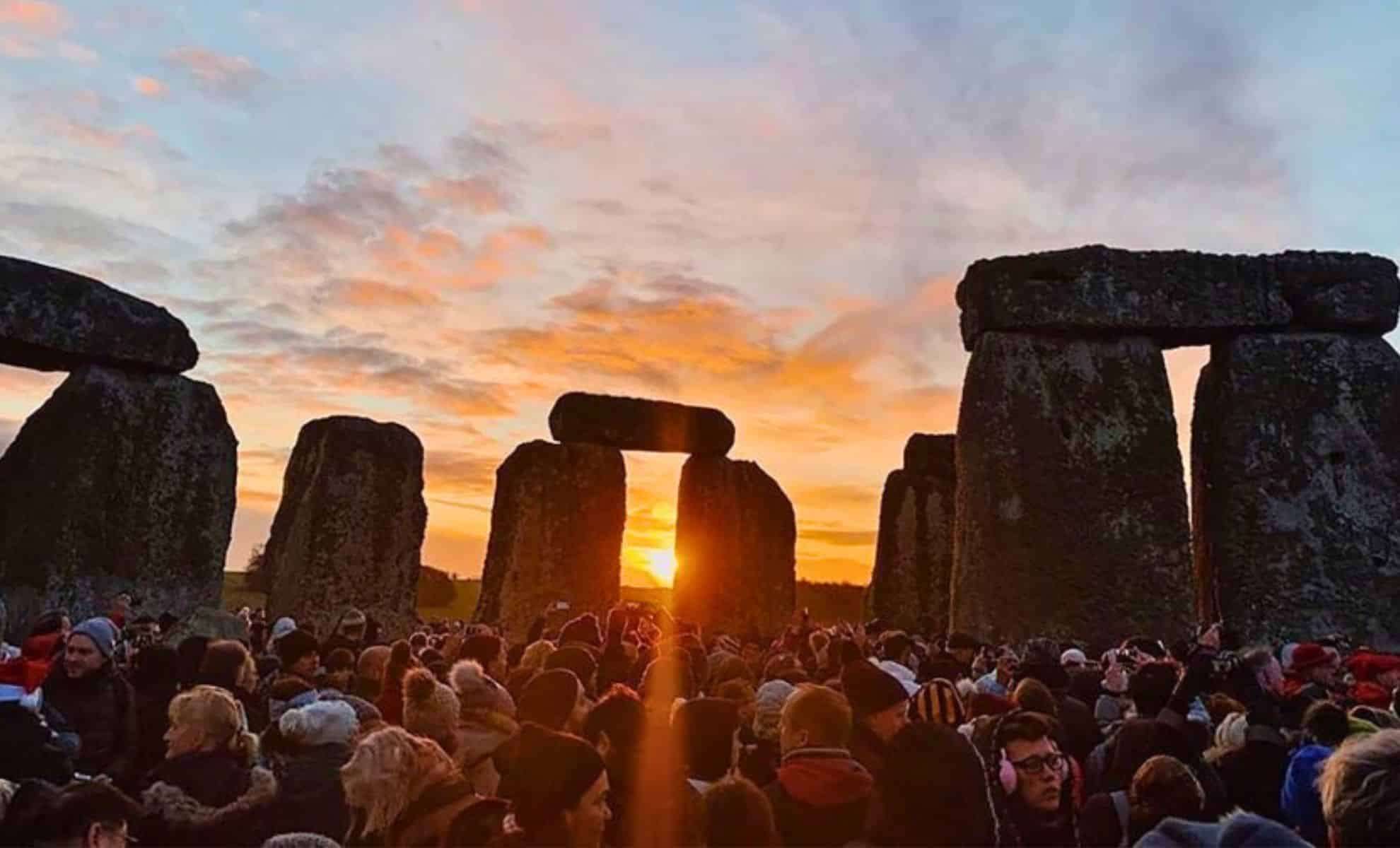
Every year in England, Stonehenge attracts crowds for solstice festivities. The prehistoric monument is aligned with the sunrise on the solstice, making it a unique vantage point. For those unable to attend, English Heritage provides livestream access to the celebrations.
Paul Winter’s Annual Solstice Performances
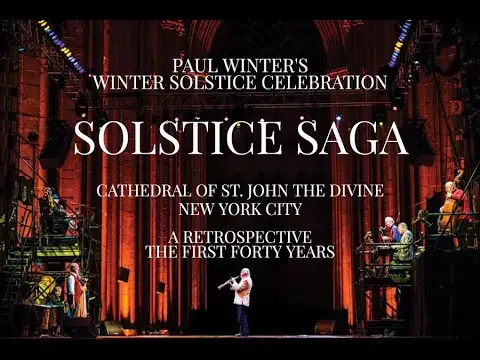
Musician Paul Winter has commemorated the solstice for more than forty years with concerts blending music, dance, and storytelling. Initially hosted at New York’s Cathedral of St. John the Divine, these events now tour venues across New England, spreading the solstice tradition.
- Categories:
- News ,
- News ,
- Climate change ,
- Climate change












0 comments
Sign in to Comment