
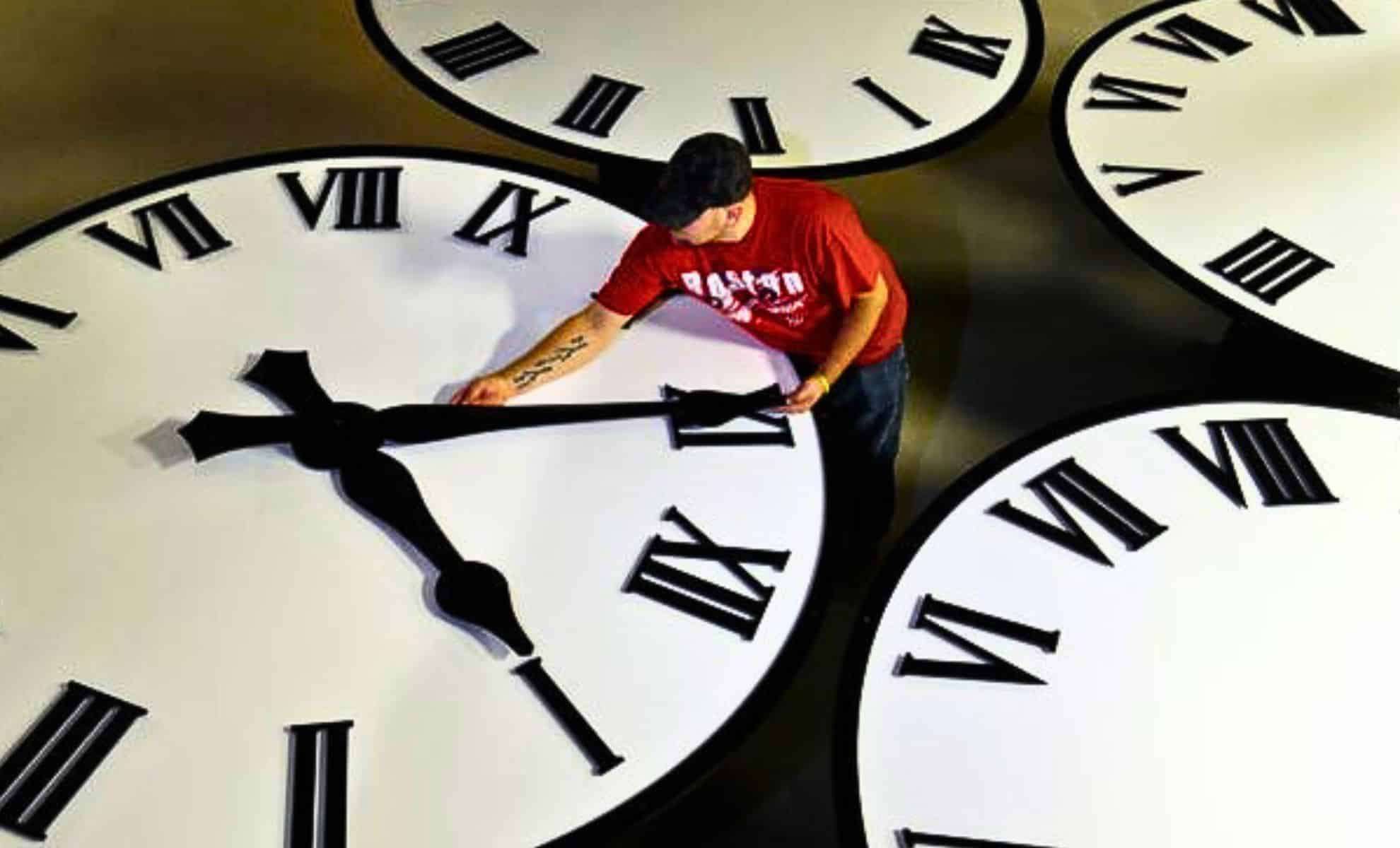
As the chill of winter deepens and nights stretch longer, many people eagerly await the arrival of daylight saving time (DST). After concluding in November, clocks will "spring forward" on Sunday, March 9, 2025, at 2 a.m., extending daylight well into the evening hours.
The History Behind Daylight Saving Time
The practice of daylight saving time in the United States dates back to World War I, aimed at conserving fuel and energy, as detailed by the Farmer’s Almanac. Although DST was discontinued after the war in 1920, it was reinstated during World War II for similar conservation goals. In 1966, President Lyndon B. Johnson cemented its use nationwide by signing the Uniform Time Act, promoting standardized observance across most regions.
However, certain states like Arizona and Hawaii have opted out, choosing to maintain standard time throughout the seasons.

The Ongoing Controversy Over Daylight Saving Time
The discussion around DST continues to engage lawmakers, health professionals, and influential individuals such as Elon Musk. States including New Jersey and Washington are actively pursuing different strategies—New Jersey pushing for permanent daylight saving time and Washington exploring year-round standard time, without waiting on Congressional approval.
Medical experts warn about the negative health impacts caused by biannual time changes, citing sleep disruption, higher likelihood of heart attacks, and increased accidents. Musk’s characterization of these shifts as “annoying,” has fueled calls for reform.
Furthermore, President-elect Donald Trump has indicated plans to abolish daylight saving time altogether. Posting on Truth Social last December, he called DST “inconvenient” and “expensive,” hinting at possible legislative action under his future administration.
The Future of Daylight Saving Time
At present, daylight saving time remains an established part of the American calendar, offering a welcome boost in daylight during the transition out of winter. Beginning March 2025, longer afternoons and sunnier evenings will provide seasonal relief amid ongoing debates about DST’s long-term place in society.
- Categories:
- News












0 comments
Sign in to Comment