
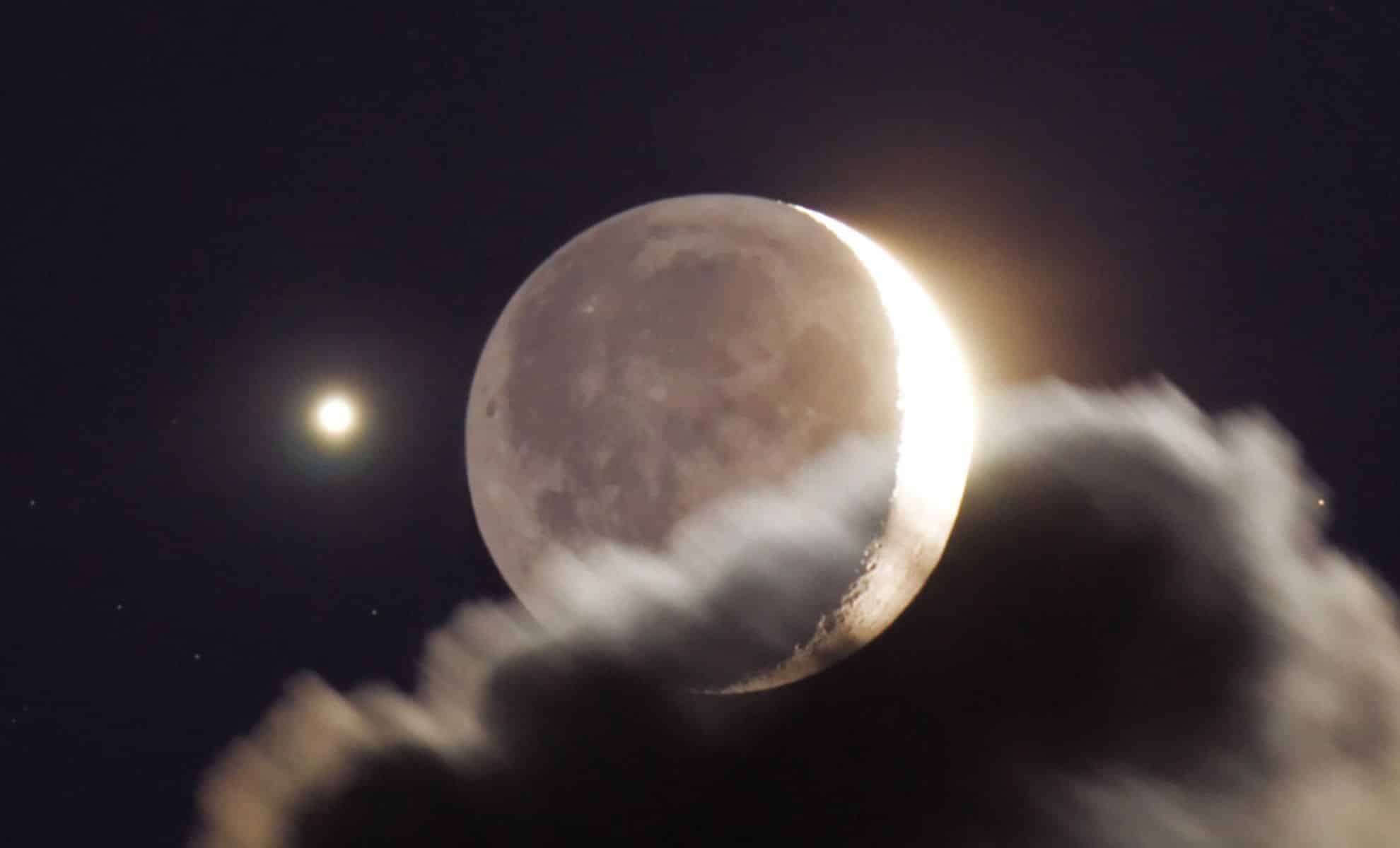
Late June 2025 will treat stargazers worldwide to a remarkable celestial event featuring a close encounter between Mars, Mercury, and the Moon. As detailed in NASA’s June 2025 skywatching guide, two memorable cosmic alignments will take place from June 26 to June 29. One highlight is a near-perfect conjunction of Mars and the Moon, separated by a mere 0.2 degrees—about the thickness of a pencil tip seen from arm’s length.
Spotting Mercury Amid Twilight Skies
In the last days of June, the planet Mercury, typically masked by the Sun’s glare, will become visible just after sunset. Between June 21 and June 30, observers with unobstructed western horizons can watch the "Swift Planet" slowly ascend higher each evening. Mercury will be at its clearest on June 27, lingering above the horizon for roughly 30 to 45 minutes post-sunset.
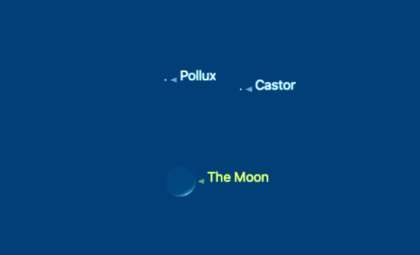
This Mercury sighting is especially notable because it coincides with a waxing crescent moon positioned just above the planet on June 27. The night before, June 26, the Moon will create a glowing line alongside Gemini’s bright stars Pollux and Castor. These arrangements provide excellent opportunities for wide-angle night photography and unaided viewing.

Mars and the Moon's Rare Nighttime Rendezvous
On June 29 after sunset, look westward to witness an extraordinary close-up moment as Mars glides only 0.2 degrees beneath a crescent Moon illuminated at 24%. This tight pairing is bright enough to be seen within a single telescope field, making it a thrilling sight for amateur astronomers.
NASA notes that this conjunction takes place within the constellation Leo. In the nights leading up to June 29, Mars will appear directly below the luminous star Regulus. Though Mars is millions of kilometers farther from Earth than the Moon, their apparent proximity offers a stunning visual effect. The spectacle can be enjoyed through binoculars or even with the naked eye.
Additional June Night Sky Attractions
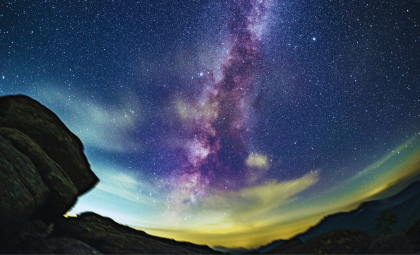
June also brings more cosmic wonders. Venus dazzles brightly in the eastern sky before dawn and will stand near the crescent Moon on June 22. Meanwhile, Saturn rises earlier each morning, aligning with the Moon on June 19. The core of the Milky Way also reemerges, visible as a misty band above dark locations.
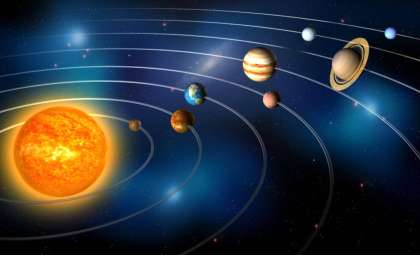
These celestial alignments follow the ecliptic, the path along which planets orbit the Sun from Earth’s viewpoint. The Moon crosses this plane twice monthly, occasionally producing spectacular planetary conjunctions like those occurring this June. As NASA explains, such events highlight the elegant cosmic choreography of our solar system.
- Categories:
- News






0 comments
Sign in to Comment