

Across numerous Western nations, pet dog ownership is climbing, while birth rates continue to fall. This intriguing pattern raises an important question: are individuals favoring dogs over raising kids, or is there a broader societal shift at play? Research featured in the Current Directions in Psychological Science delves into these trends and sheds light on the evolving cultural landscape shaping family life today.
Changing Emotional Bonds in Families
Professor Enikő Kubinyi, affiliated with Eötvös Loránd University, offers a thought-provoking perspective linking falling fertility rates with a rise in dog ownership. Kubinyi suggests this connection isn’t merely direct causation but reflects wider emotional changes shaping society.
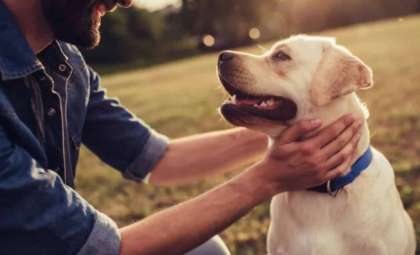
For many, dogs have transcended traditional roles as merely pets to become cherished family members. “Nineteen percent of adults without children, and ten percent of parents, rank their dog above any human,” Kubinyi notes, citing data derived from surveys in Hungary.

This growing emotional attachment to dogs signals a shift in how people meet their needs for affection and companionship. In some instances, human-dog relationships take precedence over connections with other people, highlighting new social preferences in contemporary life.
Dogs as Catalysts for Social Engagement
Within this context, dogs also play an increasingly important role in facilitating social interaction. Kubinyi emphasizes how owning a dog encourages interaction with others, especially through common activities such as walking dogs that naturally spark conversations.
She describes dogs as a form of "social bonding agent" today, helping to nurture community ties in an era when traditional social networks may be weakening.
Yet, this reliance on dogs for emotional comfort can have downsides. Behavioral problems—such as barking or aggression—might inadvertently increase social withdrawal rather than foster connection, underscoring potential risks if these challenges remain unaddressed.
Therefore, while dogs can help form bonds, ignoring their behavioral issues risks deepening social isolation instead.
Dogs as Preparation for Parenthood
Remarkably, Kubinyi’s hypothesis also suggests dogs don’t necessarily replace children but might act as a “trial run” for prospective parents.
She notes that dog ownership can be viewed as a precursor to having children: “Families with offspring tend to have dogs more often,” Kubinyi explains, implying that caring for a dog may help people develop skills essential for child-rearing.
Additionally, there’s a social angle whereby women reportedly find men with dogs more appealing, potentially fostering relationships that lead to fatherhood. This hints that dogs could indirectly promote traditional family formation rather than diminish it.
How Dogs’ Roles Are Evolving in Society
The status of dogs in modern culture has shifted considerably. As Kubinyi points out, dogs are increasingly treated like children, a development seen in the rise of expressions like “dog moms” and “dog dads.” The booming pet industry underlines how essential dogs have become emotionally for many individuals.
Especially popular are small, baby-faced dog breeds, which seem to trigger nurturing instincts in their owners. Yet Kubinyi cautions that excessive indulgence, particularly when caring for pets with health challenges, may cause stress for both the animal and its owner.
This highlights the need to remember that despite the strong bonds dogs inspire, they are not children and should be cared for with realistic expectations.
Addressing the Need for Robust Social Support
Kubinyi contends that the increasing dependence on dogs for emotional sustenance signals broader social issues: weakening human support networks and caregiving systems.
“Changes in dog ownership reveal that many people in Western societies face a critical shortage of caregiving and community connections,” Kubinyi states. As human relationships become more fragile, pets become primary emotional substitutes for many.
Experts like Kubinyi advocate for improved social support frameworks, emphasizing that dogs should complement—not replace—human relationships. Ideally, dog companionship should encourage interaction, not deepen isolation.
Piecing Together the Patterns
The surge in dog ownership reflects wider societal transformations linked to fundamental human desires for love, care, and connectedness.
Dogs have moved beyond the role of simple companions to increasingly occupy pivotal emotional spaces in people’s lives. Whether acting as symbolic "practice children" or key sources of affection, their presence is becoming a significant factor in modern social and family dynamics.
- Categories:
- News












0 comments
Sign in to Comment