
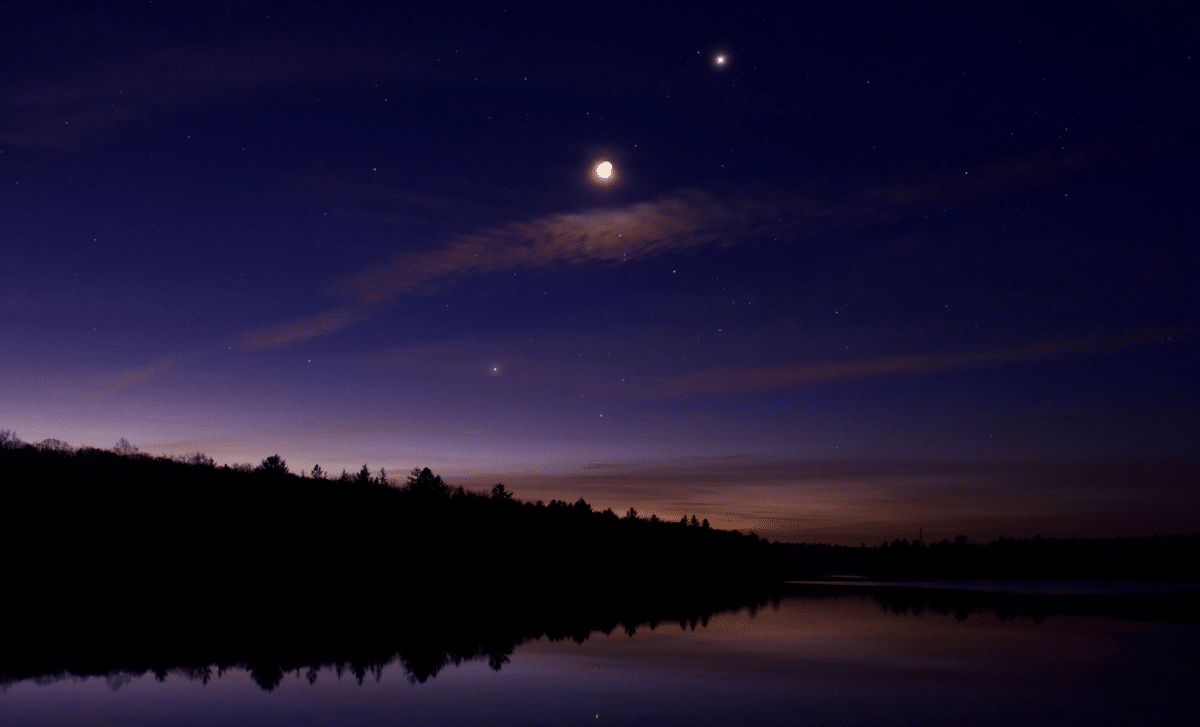
This April, clear skies reveal a dazzling display as two of the night’s brightest planets, Venus and Jupiter, command attention after sunset. Visible for hours across regions worldwide, Venus gleams low toward the west-northwest while Jupiter shines high in the south-southwest, providing an excellent chance for both casual stargazers and astronomy enthusiasts to enjoy a stellar spectacle.
April’s Highlight: Venus and Jupiter Taking the Spotlight
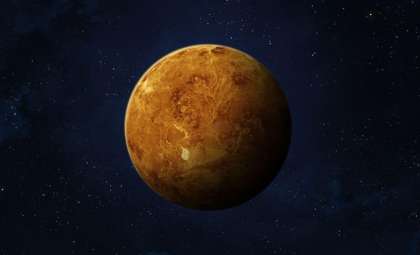
The evening sky in April is graced by the brilliant presence of Venus and Jupiter, making it a prime month for planet watching. Known as Earth’s “sister planet,” Venus climbs steadily higher each week. As noted by Space.com, approximately 45 minutes post-sunset, Venus shines about 10 degrees above the horizon. Its brightness is notable enough to be seen amid light pollution, and as the weeks go by, its crescent shape will become clearer when viewed through binoculars or telescopes.
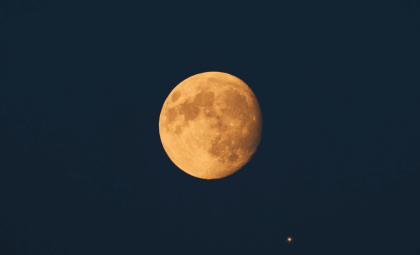
Jupiter, the solar system’s giant, appears first at dusk, prominently positioned high in the south-southwestern sky. It remains visible well beyond midnight, standing out distinctly as a bright object. Observers with telescopes can enjoy stunning views of Jupiter’s cloud bands and its four main moons — Io, Europa, Ganymede, and Callisto — which appear as bright points orbiting the planet. On April 22, a crescent moon will join Jupiter in a beautiful pairing not to be missed.

Morning Views: Mercury and Mars Make Their Appearances
While the evening favors Venus and Jupiter, Mercury and Mars will be visible in the early mornings. Mercury reaches its greatest western elongation on April 3 and is best observed just before sunrise. In mid-northern latitudes, it will be positioned about 10 degrees south of due east, but only Southern Hemisphere observers have a realistic chance of spotting this elusive planet without aid due to its close-to-horizon location.
Mars, shining at magnitude +1.2, remains a more difficult target as it hovers near the horizon during dawn. Visibility improves for observers near tropical regions by mid-April. A special celestial event occurs on April 16 when Mercury, Mars, Saturn, and a slim crescent moon line up in the predawn sky, creating an exciting opportunity to observe multiple planets simultaneously with binoculars.
An Unforgettable Month for Skywatching
With a variety of planets visible at different times throughout April, the month offers exceptional chances for enthusiasts to delve into the wonders of the night sky. Whether you are new to astronomy or a seasoned observer, the sight of Venus, Jupiter, Mercury, and Mars presents a rare treat, each planet showcasing unique features that connect us to the grand universe beyond Earth.
Beyond these planetary showpieces, stargazers should look forward to Venus gliding near the Pleiades star cluster on April 23. This rare close approach is easily seen with binoculars and offers a magical view of two distinct cosmic highlights appearing side by side.
- Categories:
- Astronomy






0 comments
Sign in to Comment