
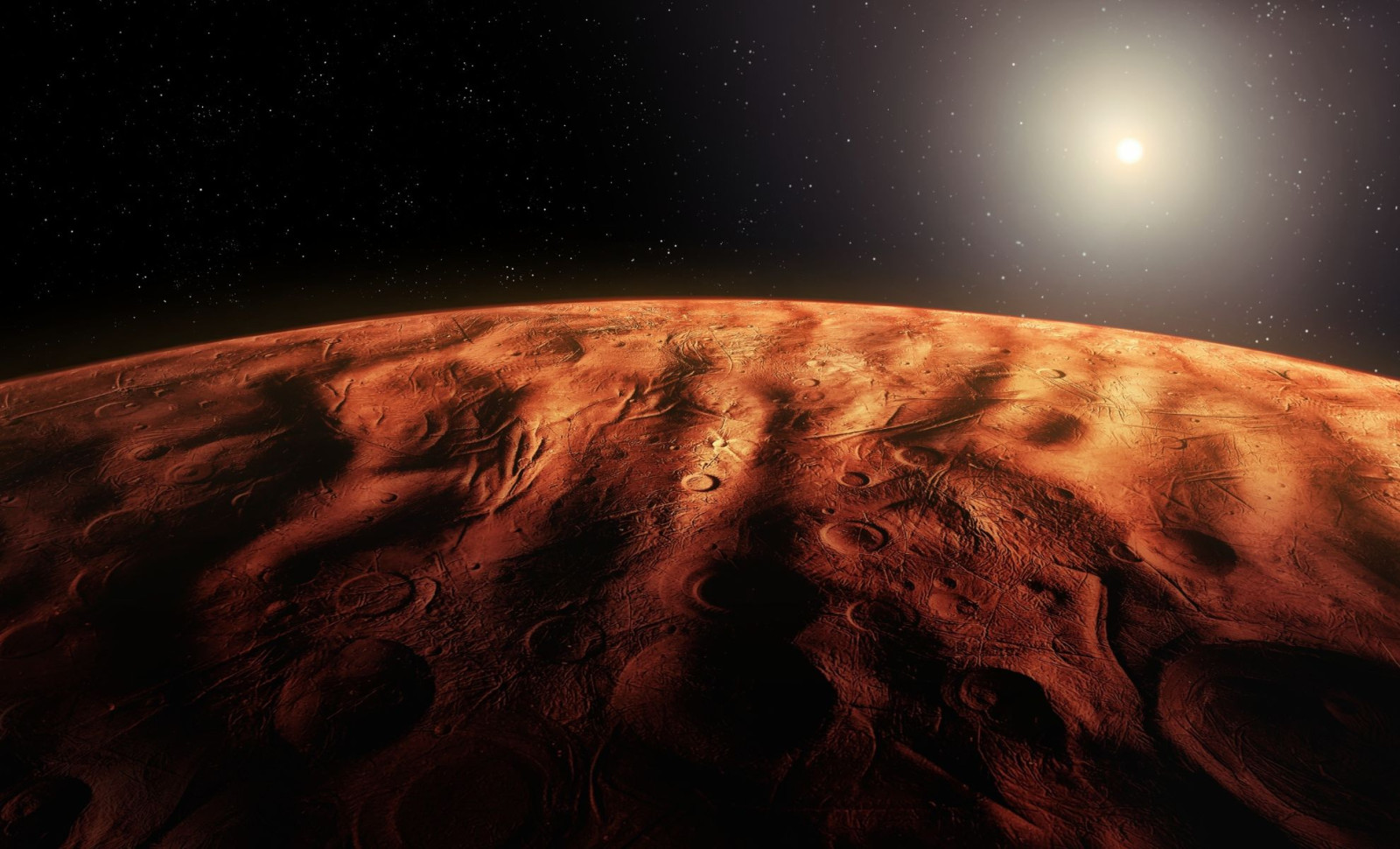
Microscopic yeast cells have demonstrated an unexpected resilience to environments mimicking conditions found on Mars. In controlled experiments, these cells withstood intense shock waves and exposure to toxic perchlorate salts, two major challenges posed by the Martian environment. Mars is characterized by frequent meteor impacts and soil enriched with reactive chemicals, presenting a harsh setting that any life form must survive, enduring sudden physical shocks and substances that can disrupt vital cellular functions.
To explore these survival limits, researchers selected Saccharomyces cerevisiae, a widely studied type of yeast. This model organism shares fundamental cellular mechanisms with more complex life forms, providing valuable insights into how life might adapt to extreme extraterrestrial habitats.
Laboratory-Generated Martian Shock Waves Mimicked
The team simulated Martian stresses using the High-Intensity Shock Tube for Astrochemistry (HISTA) located in India. This apparatus produced shock waves traveling at nearly 5.6 times the speed of sound, reproducing the impact forces typical of meteor strikes on Mars. As Riya Dhage, the study’s lead author, stated:

“One of the biggest hurdles was setting up the HISTA tube to expose live yeast cells to shock waves — something that has not been attempted before, and then recovering yeast with minimum contamination for downstream experiments.”
Simultaneously, the yeast cultures were subjected to 100 mM sodium perchlorate, mirroring concentrations found in Martian soil. According to the research published in PNAS Nexus, perchlorates can interfere with protein stability by disrupting hydrogen bonding and hydrophobic interactions. Despite facing these combined stressors, the yeast cells survived, although their growth rate was slower.
Cellular Defense: RNA-Protein Condensates
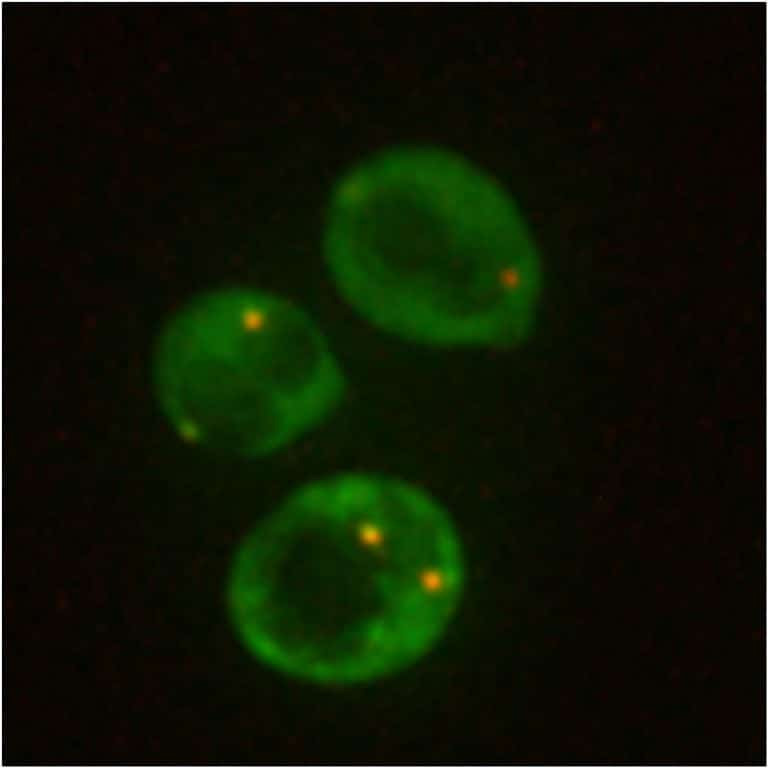
The key factor enabling survival was the yeast’s formation of ribonucleoprotein (RNP) condensates. These intracellular aggregates of RNA and proteins create protective compartments during stressful conditions.
Two condensate types were identified: stress granules and P-bodies. Shock wave exposure triggered both kinds, while perchlorate stress primarily induced P-body assembly. These structures safeguard genetic information and regulate RNA metabolism under duress. When normal conditions resume, the condensates dissolve, allowing typical cellular functions to continue. This adaptive mechanism appears crucial for enduring environmental extremes.
Compromised Survival Without Protective Condensates
The experiment also included yeast strains incapable of forming these condensates. These mutants showed a marked decline in survival when exposed to equivalent stress. Analysis of the transcriptome revealed that the environmental pressures disrupted essential RNA processes. The presence of RNP clusters helped mitigate this harm and preserved vital cellular activities.
Overall, these findings highlight that even simple organisms possess molecular strategies to withstand extreme environments. Purusharth I. Rajyaguru, the study’s corresponding author, reflected:
“We were surprised to observe yeast surviving the Mars-like stress conditions that we used in our experiments. We hope that this study will galvanize efforts to have yeast on board in future space explorations.”
This research points to the intriguing possibility that if life exists on Mars, it may utilize analogous mechanisms to endure its brutal environment.
- Categories:
- Astronomy







0 comments
Sign in to Comment