
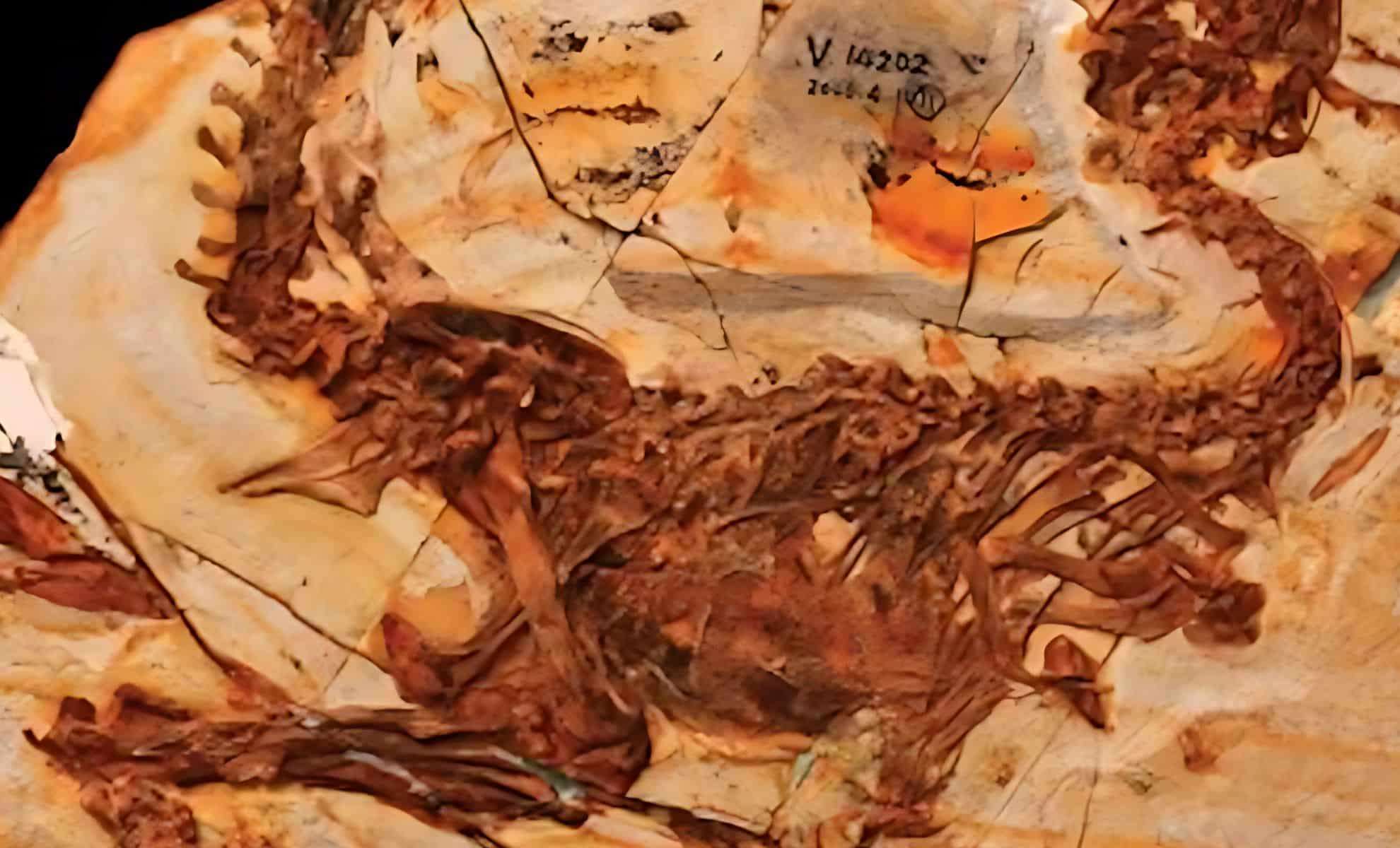
Researchers in northeastern China have identified two new species of feathered theropod dinosaurs dating back 125 million years. Among these fossils is an extraordinary specimen containing fossilized mammals within its abdominal cavity, offering groundbreaking insight into predator-prey interactions during the early Cretaceous period.
Remarkable Discoveries from the Jehol Ecosystem
The fossils were excavated from the Jehol Biota, an exceptional fossil site located in present-day Lingyuan. This location is famed for its superbly preserved specimens, and the latest finds include the newly identified Sinosauropteryx lingyuanensis and Huadanosaurus sinensis. The research was recently published in National Science Review by scientists affiliated with the Natural History Museum of China and the Chinese Academy of Sciences.
Introducing a New Genus and Dinosaur’s Final Meal
Huadanosaurus sinensis stands out as a newly recognized genus and species within coelurosaurian theropods, resembling compsognathid-like carnivores known for their compact and agile builds. What makes this discovery exceptional is the presence of fossilized remains of two mammals inside the dinosaur’s body—a well-preserved eutriconodont skeleton and fragments from a eutherian mammal.

This provides the first-ever direct evidence of dinosaur predation on mammals within the Jehol Biota.
Qiu Rui, an associate researcher at the Natural History Museum of China and co-lead author of the study, explained, “Huadanosaurus possessed strong jaws and muscular necks, enabling it to capture and efficiently kill mammalian prey.”
Varied Hunting Tactics Among Species
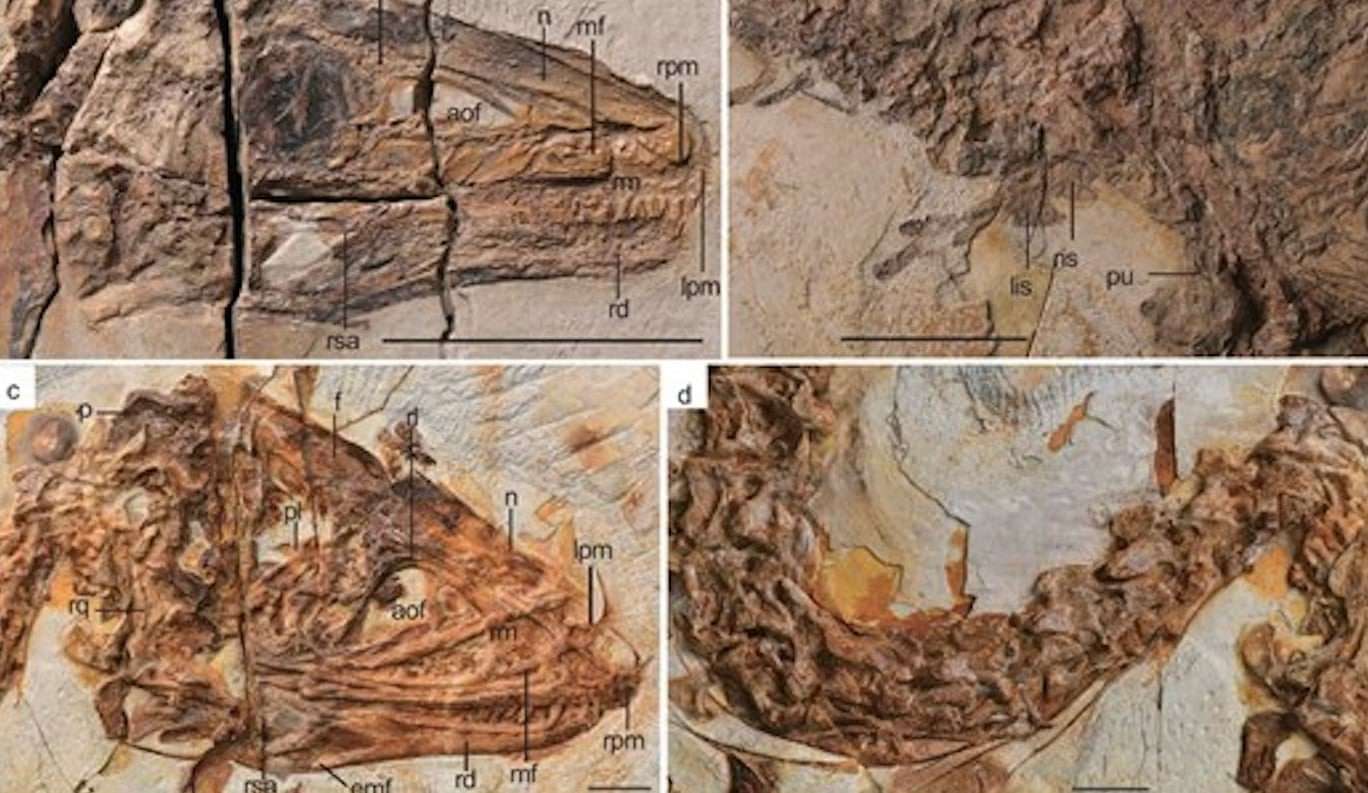
The other new species, Sinosauropteryx lingyuanensis, is part of an existing genus but is now differentiated by several unique anatomical characteristics. These include a distinct large oval depression between the antorbital fossa and maxilla, a sizable lacrimal recess, a U-shaped split on the dentary's posteroventral margin, a small crescent-shaped external mandibular fenestra, and a fan-like neural spine on the axis vertebra.
The extensive comparison involving 504 theropod species indicates that sinosauropterygids represent a distinct lineage positioned near the base of Coelurosauria, noted Wang Xiaolin from the Institute of Vertebrate Paleontology and Paleoanthropology (IVPP) and co-author of the study.
Geological Changes Drive Evolutionary Innovation
The region’s fossil record reflects a biologically diverse yet geologically active landscape. Early Cretaceous tectonic shifts fractured the North China Craton (NCC), forming new rift basins that reshaped habitats and heightened ecological competition. These environmental transformations fueled adaptive responses among species.
“Most Mesozoic environments hosted one dominant dinosaur species per ecological niche,” said Zhou Zhonghe, a fellow IVPP researcher and study co-author. “However, in Liaoning’s ecosystem, sinosauropterygids diversified into three distinct hunting methods, while unrelated groups such as dromaeosaurs and tyrannosaurs shared overlapping predatory roles.”
This interplay of shifting environments and biological adaptation likely accelerated the emergence of diverse predatory species in the area.
- Categories:
- Science

0 comments
Sign in to Comment