
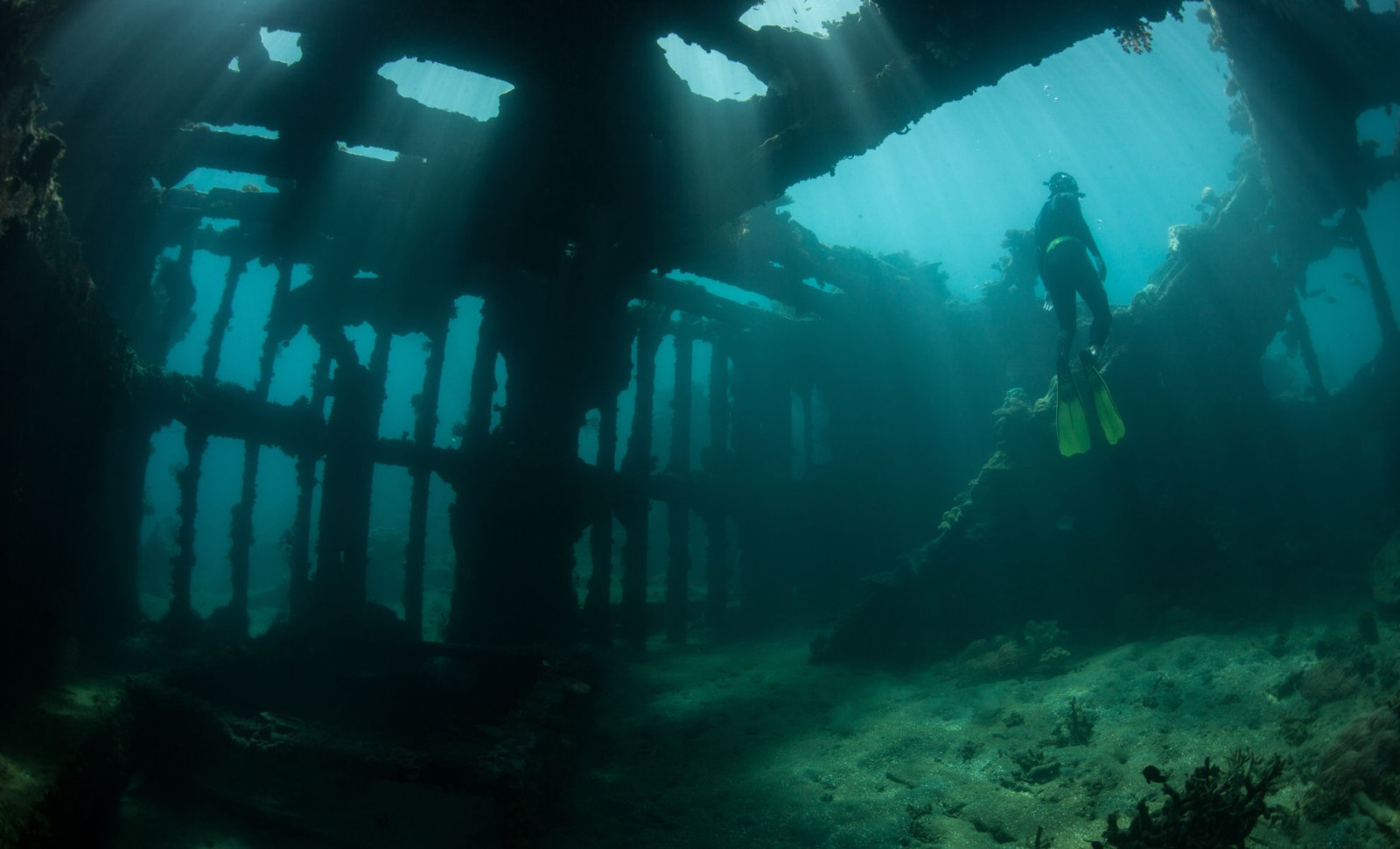
Off Singapore’s coast, researchers have uncovered a 14th-century shipwreck laden with an impressive haul of 3.8 tons of ceramic artifacts, featuring the largest known assemblage of Yuan dynasty blue-and-white porcelain ever discovered in a maritime context.
Dubbed the Temasek Wreck, this remarkable find offers valuable insights for both historians and archaeologists. The cargo, predominantly ceramics originated from the celebrated Jingdezhen kilns in China, was presumably destined for Temasek, the historical name for Singapore. This evidence reveals that Singapore was a significant center of international trade much earlier than formerly assumed, highlighting ancient commercial linkages across Asia.
Delving into Ancient Maritime Finds
Michael Flecker, a specialist from HeritageSG under Singapore’s National Heritage Board, remarked on the exceptional craftsmanship of the Yuan dynasty blue-and-white porcelain recovered from the site. He stated that the ceramics display “superlative” quality in many cases.

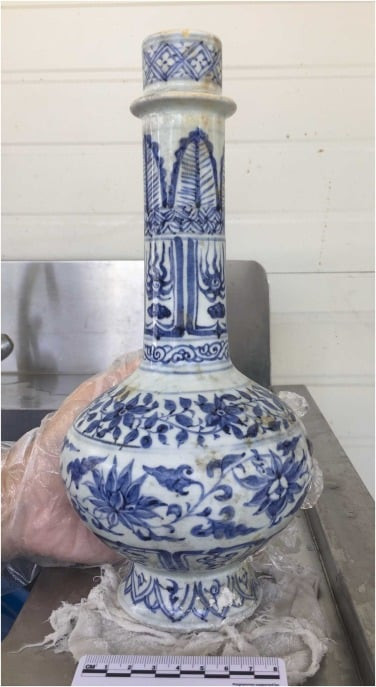
The haul contains over 2,350 ceramic fragments and several nearly complete vessels, adorned with intricate blue designs of mandarin ducks amongst lotus ponds, dragons, and flower motifs. Although porcelain comprises only 4% by weight of the entire cargo, it represents the most historically valuable segment of the collection.
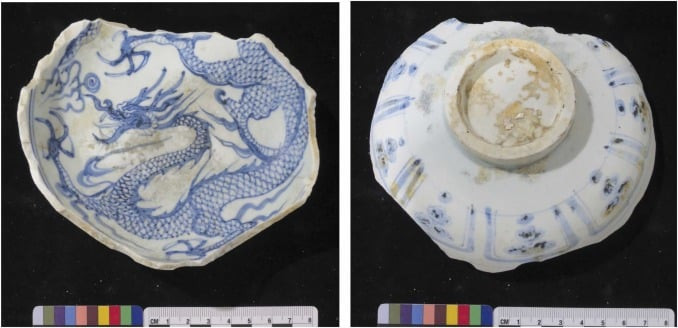
The shipwreck also held various other ceramics, including Longquan celadon and Fujian Cizao storage vessels, painting a broader picture of commodities exchanged between China and Southeast Asia. Flecker highlighted that Longquan celadon accounted for 44.5% of the cargo’s weight, underscoring its trade significance in the region.
A Chinese Junk Headed for Temasek
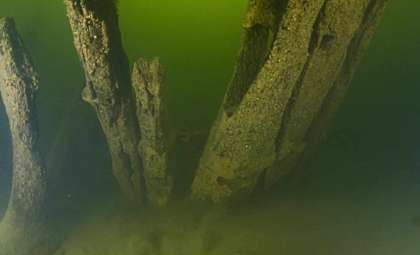
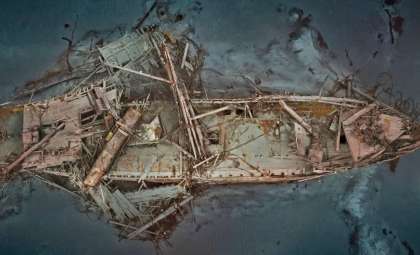
Though the ship’s hull has not survived, findings at the wreck site strongly indicate it was a sturdy Chinese junk, a commonly used ancient vessel. As described in a paper from the Journal of International Ceramic Studies :
“While none of the ship’s hull has survived, circumstantial evidence suggests that she was probably a Chinese junk,” explained by the study’s authors, “From the location of the wreck site, the many parallel finds form Singapore terrestrial sites, and importantly a common dearth of large blue-and-white dishes that feature in historical collections of Turkey, the Middle East, and India, Temasek would seem to have been the most likely intended destination for the ship.”
This discovery further emphasizes Singapore’s pivotal role in maritime trade during the 14th century.
Blue-and-White Porcelain: Stories in Every Detail
The porcelain dates back to the reign of the Wenzong Emperor, between the late 1320s and early 1330s, a time when certain designs, such as the mandarin duck on a lotus pond, were restricted as royal symbols. Flecker explained:
“The prevalent motif on the shipwreck blue-and-white porcelain is mandarin ducks in a lotus pond,” adding that these motifs were initially reserved for the emperor but later became available to other potters after 1340.
These elaborate illustrations, representing harmony and prosperity, align with the period when the imperial restrictions around the duck-and-lotus image were eased, around 1340, as noted by Flecker.
- Categories:
- News










0 comments
Sign in to Comment