
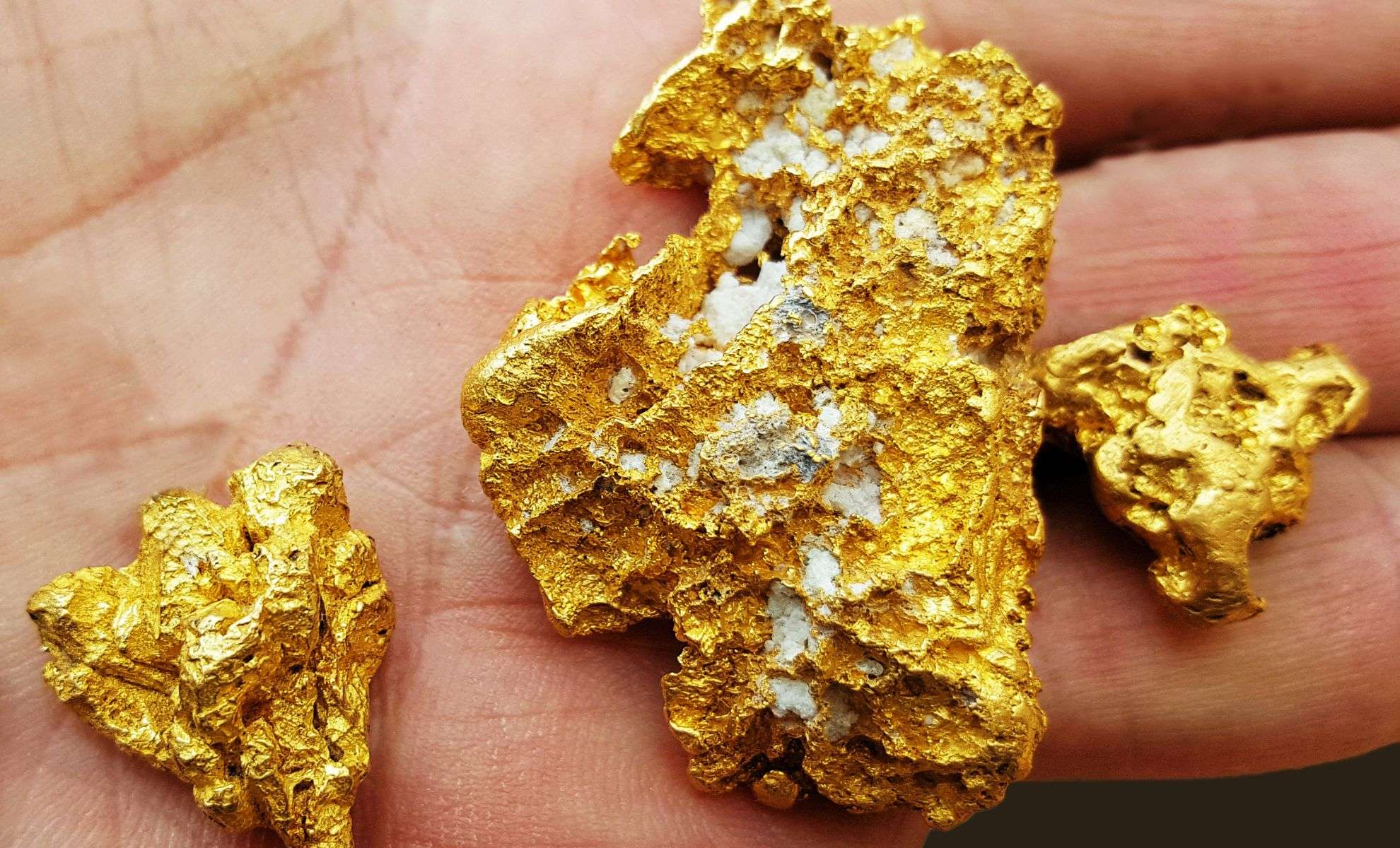
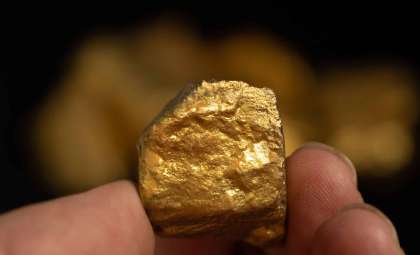
Kazakhstan has announced a significant advancement in its natural resources sector, uncovering 38 fresh mineral deposits that include 19 tons of gold alongside a large cache of rare earth elements. These findings highlight the nation’s growing role as an important player in the global markets for clean energy and high-tech materials.
Details of these discoveries, documented in the journal Minerals, emerged from exploration activities conducted in the first quarter of 2025 under a national program aiming for intensified geological surveys by 2026.
Gold and Rare Earth Metals Located Near Kazakhstan’s Capital
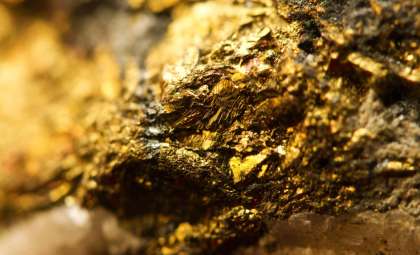
A particularly notable deposit lies 261 miles from Astana in the region called Zhana Kazakhstan. The Ministry of Industry and Construction reports that this site harbors more than 20 million metric tons of material rich in neodymium, cerium, lanthanum, and yttrium—elements crucial for electric vehicles, wind energy, electronics, and defense technology. The rare earth concentration averages around 700 grams per ton.

Should these estimates be confirmed, Kazakhstan would rank just behind China and Brazil amongst global holders of rare earth minerals. This could elevate the country’s status in a market long dominated by a few key suppliers and absent from the U.S. Geological Survey’s prior listings.
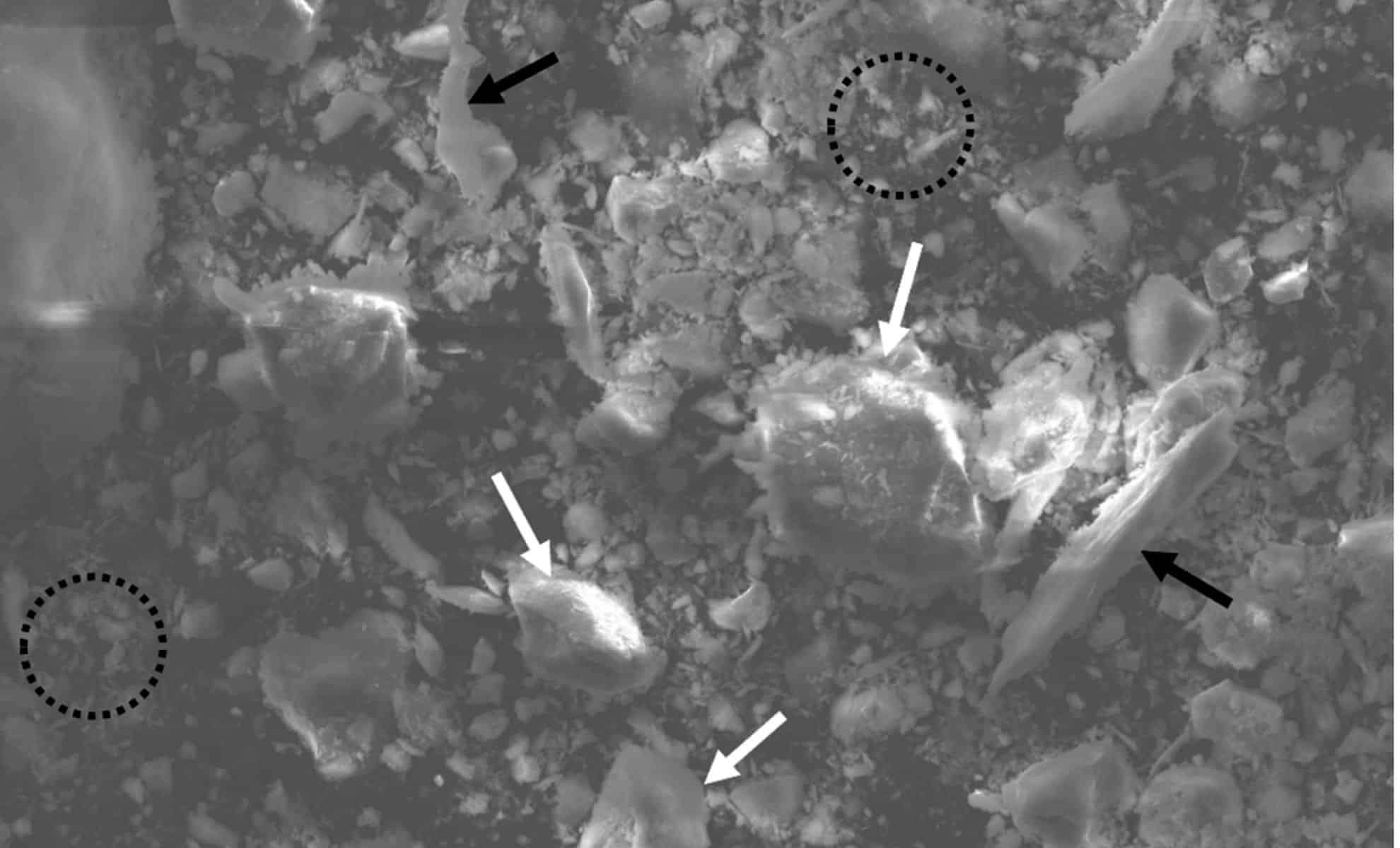
Research teams have started trials on extraction techniques tailored to local geological conditions. A 2025 study focused on leaching neodymium and other elements from weathered clays using sulfuric acid, aiming for more energy-efficient and environmentally friendly processing methods.
Expanded Geological Exploration Accelerates Resource Identification
This breakthrough is part of Kazakhstan’s ambitious goal to survey 2.2 million square kilometers of its land by 2026. Headed by Yerlan Galiyev, chairman of the National Geological Survey (JSC), the wide-ranging program incorporates traditional field geology combined with satellite and geophysical data to locate promising mineral zones.
From 2018 through 2024, investment in exploration exceeded 424 billion tenge, with an additional 106 billion tenge budgeted for 2025. Collaboration with the Finnish Geological Survey has enhanced the digitization of geological information, enabling more precise drilling and reducing delays. Galiyev states that this integration is critical for maximizing the efficiency and focus of exploration efforts.
Kazakhstan Seeks Partnerships to Boost Mineral Processing
To move beyond raw material exports, Kazakhstan is actively pursuing partnerships with nations such as Italy, South Korea, and China. These collaborations aim to introduce cutting-edge mining technologies and establish domestic processing plants to capture more economic value in-country.
While no mining operators have yet been publicly named, preliminary agreements to supply manufacturers are expected to secure financing for rare earth processing facilities, which remain technologically demanding and capital-intensive.
Environmental Challenges Amid Resource Development
The extensive mineral deposits bring significant environmental considerations. Mining activities planned to reach depths of up to 300 meters will necessitate careful water resource management, tailings disposal, and land restoration efforts. Additionally, the presence of brown coal—one of the 38 deposits—adds complexity to Kazakhstan’s energy future, as coal’s environmental impact conflicts with climate goals unless cleaner technologies are employed.
Officials stress that the pace at which these resources move from discovery to production will depend heavily on thorough public engagement and stringent environmental assessments.
- Categories:
- News



0 comments
Sign in to Comment