
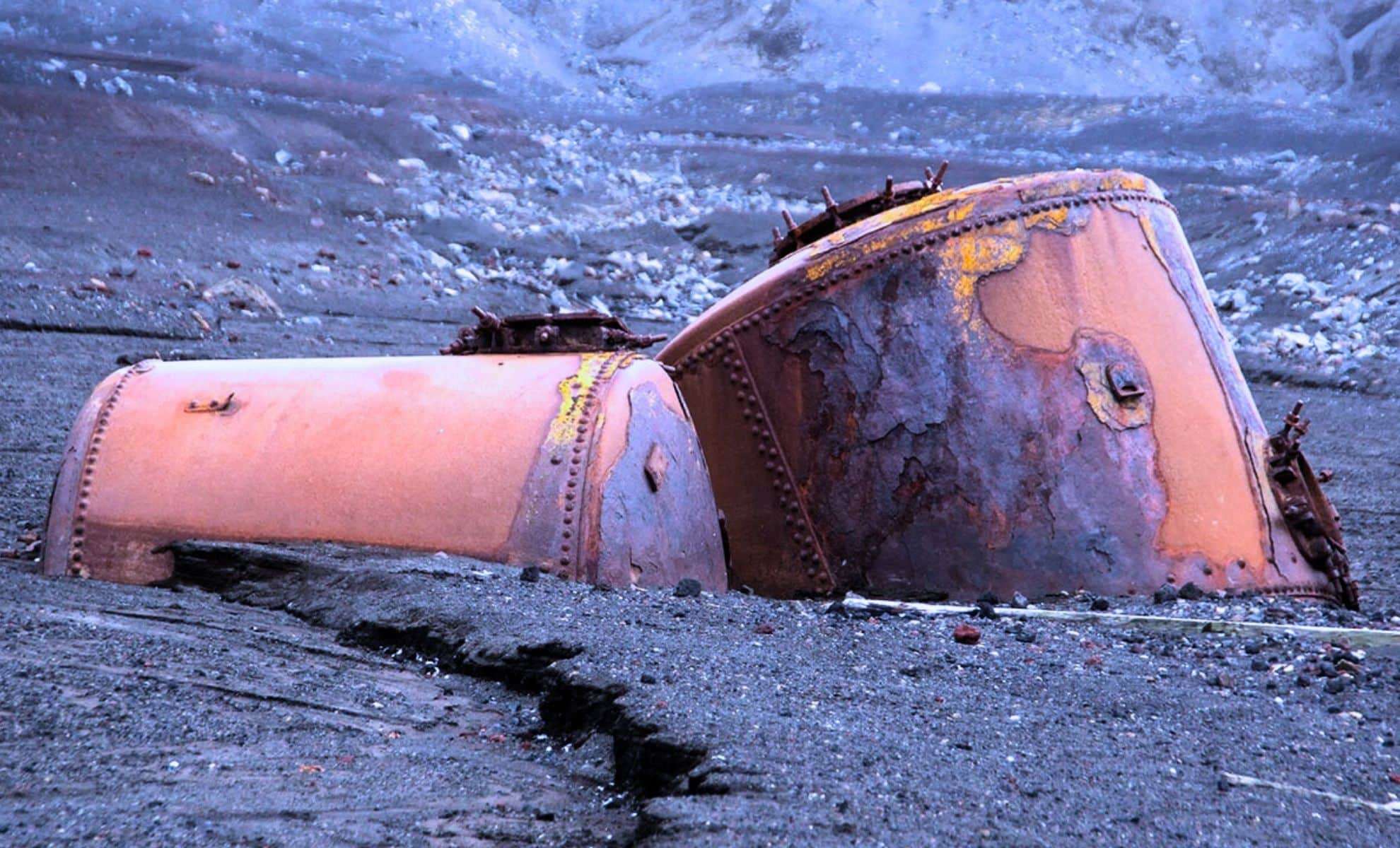
In the midst of escalating international rivalries and a transforming global energy panorama, a startling announcement has emerged from the planet’s most isolated and frozen region: Antarctica. Recent findings have revealed a colossal oil reserve that could challenge established treaties and alter the dynamics of global energy markets. The continent, traditionally dedicated to scientific study and environmental conservation, now faces potential upheaval.
Enormous Oil Reserve Discovered
As reported by NewsWeek, Russian scientists claim to have identified one of the world’s largest untouched oil deposits underneath Antarctica’s ice. Estimated at a staggering 511 billion barrels of oil, this discovery surpasses major existing global reserves. To illustrate, it exceeds the North Sea production of the past five decades by roughly tenfold and nearly doubles Saudi Arabia’s known reserves. The oil field is located in the Weddell Sea, an area claimed by the United Kingdom as part of its Antarctic domain.
This breakthrough emerged through Russian-led scientific voyages undertaken in recent years. The deposit lies in the sector referred to as the “British sector,” which is also subject to overlapping claims by Argentina and Chile. This disputed arena complicates governance, as these nations have long engaged in sovereignty disputes over Antarctic territories. Despite no definitive jurisdiction, Russia’s expanding footprint on the continent sparks debates regarding its long-term ambitions and underlying objectives.

The Antarctic Treaty as a Protective Framework
Central to this issue is the 1959 Antarctic Treaty, an agreement designating the continent as a realm for peaceful scientific inquiry and forbidding any military endeavors or resource exploitation. This pact, ratified by nations including the US and UK, aims to safeguard Antarctica for collective global benefit, blocking economic exploitation of its resources. Yet, Russia’s activities raise suspicions that it might be exploiting loopholes, disguising resource scouting as scientific research.
Analysts point to recent Russian seismic investigations as potentially signaling a transition from academic study to resource exploration. Professor Klaus Dodds of Royal Holloway College, UK, specializes in geopolitics and warns that Russia’s seismic work could be a prelude to breaching the treaty’s ban on mining and drilling, threatening to disrupt established international norms.
Mounting Geopolitical Frictions in Antarctica
Russia’s expanding Antarctic presence unfolds amid heightened global tensions, especially following its 2022 invasion of Ukraine. This military conflict has soured relations with Western countries, leading to fears that Russia might leverage its Antarctic position to strengthen its geopolitical clout and secure vital resources. Historically, competition over energy supplies has often sparked international conflicts.
China’s strategic aspirations compound the complexity. As a major energy consumer, China recently inaugurated its fifth research station on the continent, escalating the race for Antarctic resources. Russia and China, aligned on various strategic initiatives, have jointly opposed certain Western-led efforts to expand marine protected zones. This cooperation has fueled speculation about a potential alliance challenging the Antarctic Treaty’s governance.
Uncertain Prospects for Russia’s Antarctic Role
Despite international unease, Russia maintains it complies with the Antarctic Treaty, asserting its efforts are strictly scientific with no immediate plans to exploit oil reserves. Nonetheless, the rise in seismic activities coupled with its broader military expansions worldwide paints a more intricate picture behind these claims.
The British Foreign Office has called for greater accountability for Russia’s Antarctic conduct, especially given the tensions sparked by its other global military moves. However, the pressing question endures: how will the global community uphold the integrity of the Antarctic Treaty in this evolving geopolitical landscape? This challenge now stands as a litmus test for international cooperation and the future of environmental stewardship on the continent.
- Categories:
- News








0 comments
Sign in to Comment