
The planet’s surface is constantly in flux, with tectonic activity relentlessly molding and fragmenting the continents. This transformative process is especially evident along Africa’s eastern flank, where the East African Rift offers a vivid example of geological evolution in action.
The East African Rift: A Continental Divide in Progress
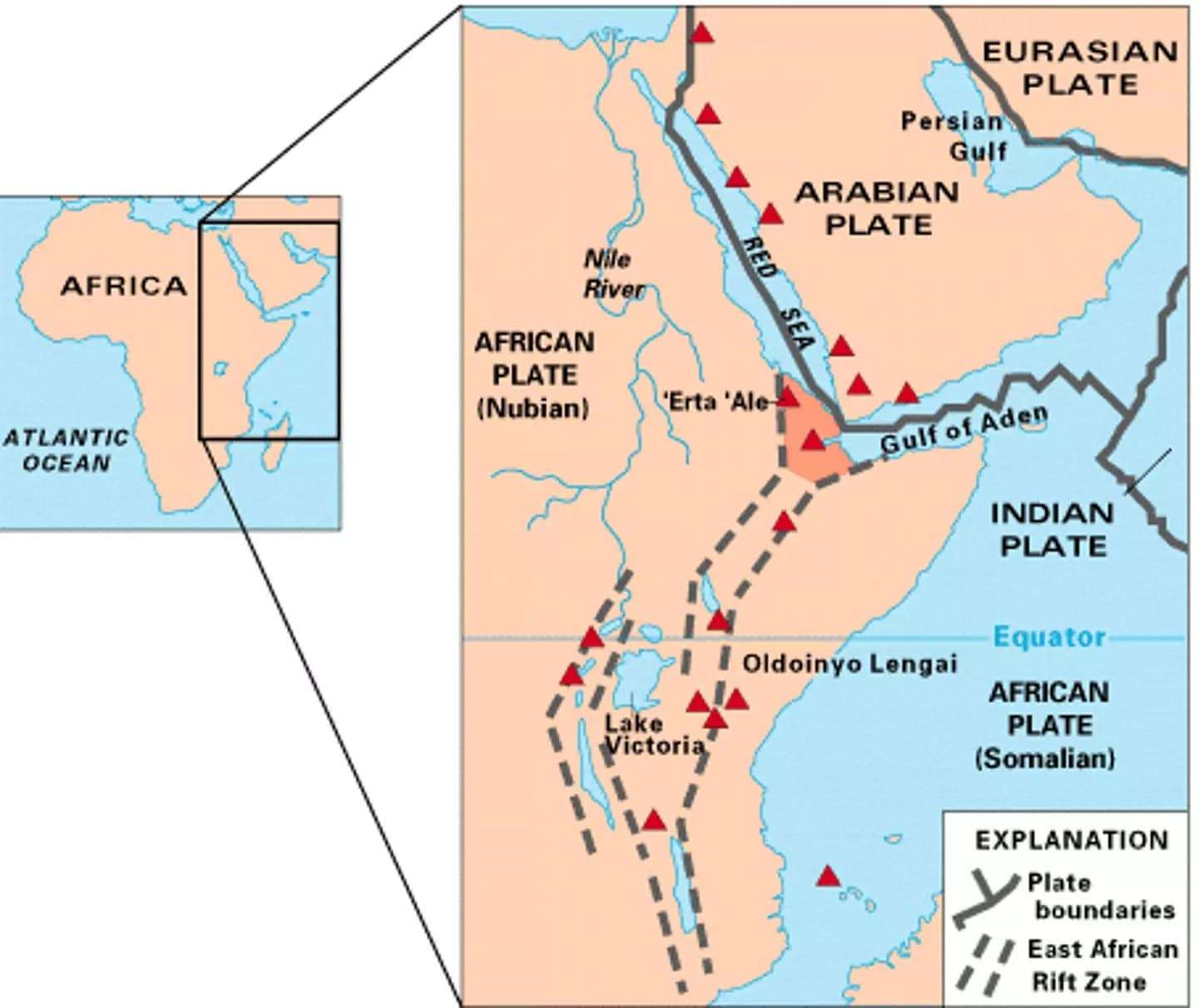
Traversing countries such as Ethiopia, Somalia, Kenya, and Tanzania, the East African Rift marks a boundary where the African Plate and the Somali Plate are gradually drifting apart. This slow but steady separation is anticipated to eventually birth a new continent and an associated ocean basin, redefining the regional landscape over millions of years.
Professor Ken Macdonald from the University of California notes that although the full breakup may span from one to five million years, early signs such as earthquakes and volcanic eruptions are already evident. “You’ll feel earthquakes, see volcanic eruptions, but won’t witness the ocean flooding in our lifetimes,” he told the Daily Mail.

Visible Cracks and Geologic Alerts
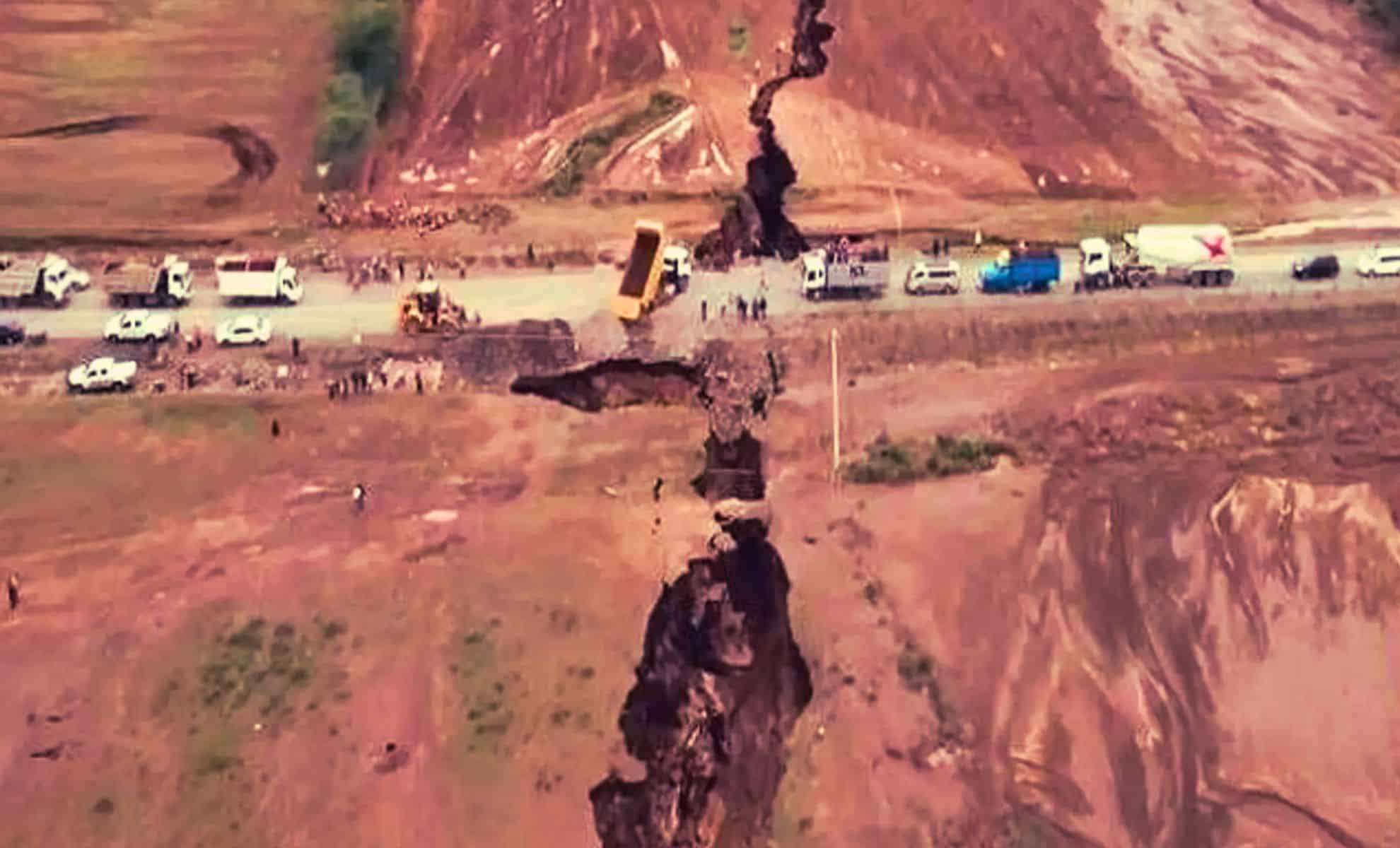
Geological activity in this rift zone shows itself openly through cracks in the Earth’s surface. Some areas display movement measured in just millimeters annually, while other segments reveal more significant fracture formations, emphasizing the powerful forces below.
In 2018, a notable fissure emerged near Mai Mahiu, Kenya, after extensive rainfall uncovered the fault line. This event highlighted the vulnerability of the region’s terrain, posing risks to infrastructure and farming communities.
The Geological Society of London forecasts that the rift valley will gradually subside, eventually permitting waters from the Indian Ocean to encroach, irrevocably transforming Africa’s geography.
Volcanism and Seismic Threats
The rift’s activity fuels volcanic phenomena—some of which rank among the most active across the continent. Volcanoes like Mount Nyiragongo in the Congo and Ol Doinyo Lengai in Tanzania owe their volcanic activity to magma ascending through the rift. Alongside frequent earthquakes, these events significantly influence the lives of millions residing nearby.
These geodynamic processes complicate daily life, posing risks to infrastructure, agriculture, and public safety through ground ruptures and seismic shocks.
An Emerging Ocean and Reconfigured Borders
As the rift expands and deepens, a new ocean basin is expected to emerge, analogous to the creation of the Red Sea after the Arabian Peninsula parted ways from Africa. This will allow the Indian Ocean to inundate the valley, transforming inland zones into coastal regions and potentially dividing nations.
The extensive changes forecasted include:
- Uganda and Rwanda potentially acquiring direct sea access.
- Eastern stretches of the rift, including parts of Somalia and Kenya, possibly becoming detached landmasses.
- The creation of novel ecosystems accompanied by shifts in climate and marine life diversity.
Geological Timeline and Predictions
Despite the slow pace of change, progressing in millimeters annually, the evolution of the rift is inescapable. Scientists propose:
- Within 10,000 to 100,000 years, ongoing seismic and volcanic activity will significantly reshape the terrain.
- In approximately 1 million years, portions of the rift valley may descend below sea level, permitting ocean waters to flood the basin.
- Over the next 5 million years, the Somali Plate is projected to fully separate, forming a distinct continent and ocean.
While such monumental shifts lie far ahead, those inhabiting the area now contend with the immediate realities of earthquakes, volcanic eruptions, and visible ground fissures.
Earth’s Constant Transformation: Global Context
The East African Rift exemplifies a broader pattern of tectonic motion shaping various regions worldwide, including the Red Sea, Iceland, and the Great Basin in the United States. These examples illustrate the ceaseless dynamic nature of Earth's crust.
Observing the unfolding changes in East Africa offers vital insights into the underlying mechanisms of continental drift and ocean creation, highlighting the powerful forces sculpting our planet.
Currently, the East African Rift stands as a remarkable natural laboratory, showcasing the dramatic influence of tectonic movement and the ongoing evolution of Earth’s surface.
- Categories:
- News






0 comments
Sign in to Comment