
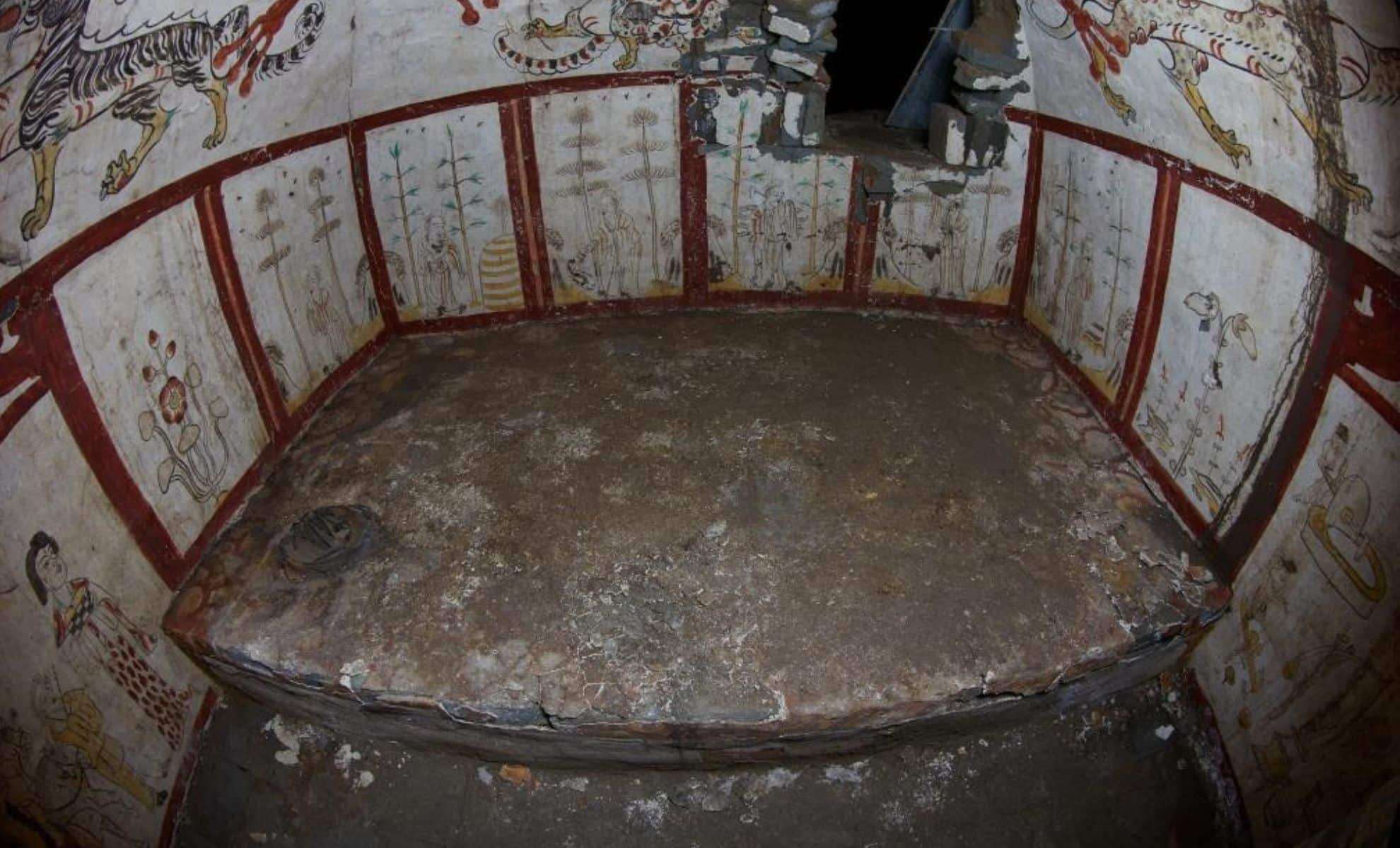
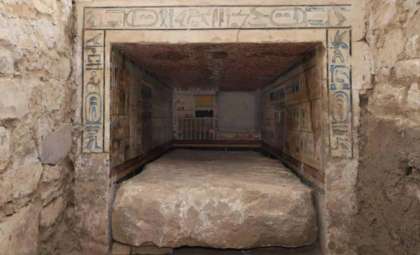
During road construction in 2018 in Taiyuan, the capital city of Shanxi province, northern China, archaeologists made a surprising find. They uncovered a Tang dynasty tomb from approximately 736 AD adorned with intricate murals that depict daily life at the time. The tomb's occupant was a man who lived to be 63 years old, with walls showcasing various domestic scenes such as food preparation and water fetching, offering a rare insight into the social and household routines of that era.
Detailed Murals Illustrate Daily Tang Life
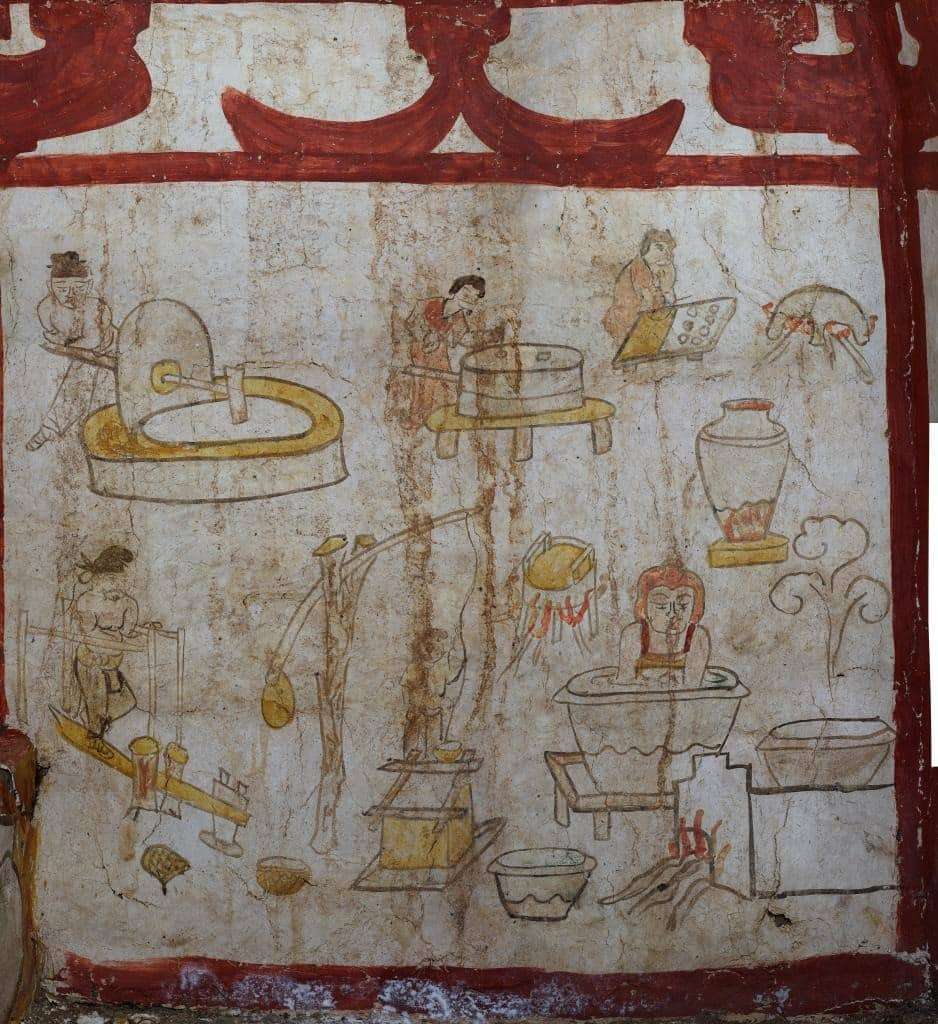
The murals covering the tomb’s interior capture activities such as women griding grain with traditional stone mills and men producing noodles. Notable scenes include a woman using a well sweep to draw water and depictions of grain hulling and rice pounding.
These vivid images reveal structured social roles and typical household duties of Tang dynasty society. Published recently in Xinhuanet, the artistic approach features strong contour lines, minimal shading, and a flat, two-dimensional style characteristic of Tang funerary artwork.

A Foreign Trader Emerges Amid Tang Figures
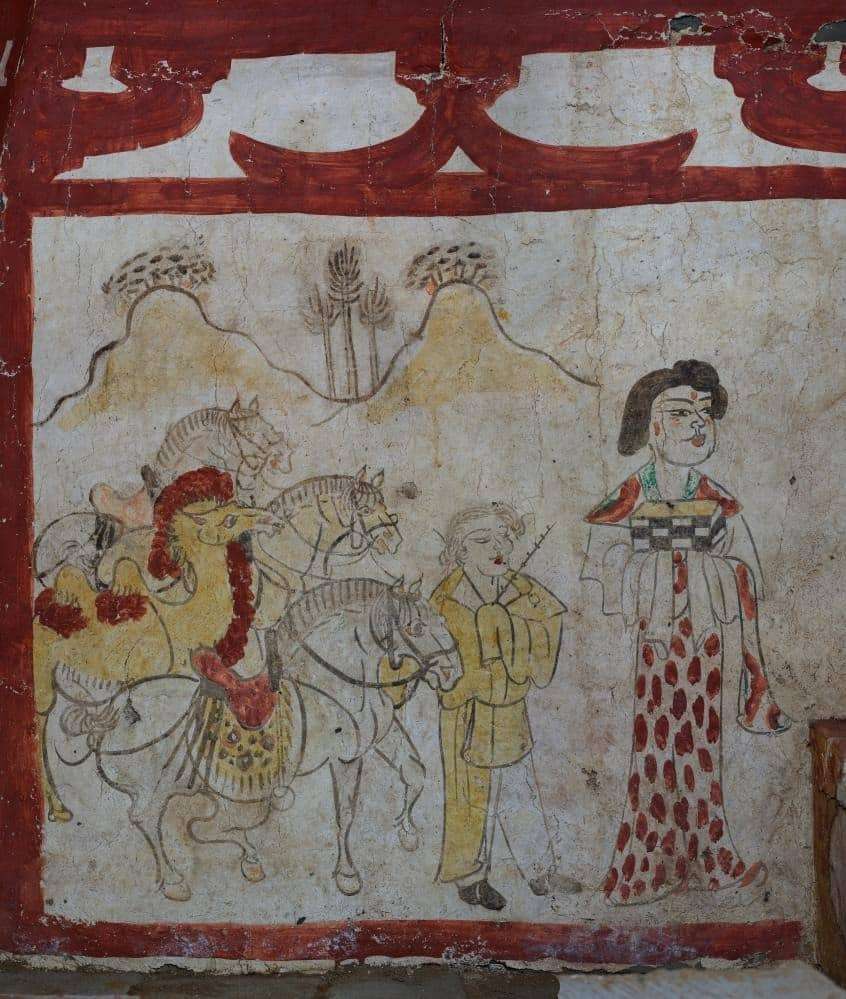
A remarkable element of the discovery is the portrayal of a foreign individual standing alongside Chinese figures. This man, distinguished by blond hair and facial hair, shares the walls with native characters. Professor Victor Xiong from Western Michigan University identifies him as a Sogdian—a Central Asian people who were key merchants on the Silk Road. Historically, the Sogdians acted as cultural and commercial brokers connecting the Tang Empire with areas now known as Tajikistan and Uzbekistan.
The depiction of this Sogdian figure within a Chinese tomb prompts questions about his possible roles—whether as a merchant, envoy, or a socially significant foreigner influencing the local society. This points to the possibility that foreign individuals were acknowledged or integrated socially within Tang society, reflecting the fluid cultural exchanges along ancient trade corridors.
The Silk Road’s Cultural and Artistic Effects in Tang China
Beyond commerce, the Silk Road acted as a conduit for religious, cultural, and artistic influences. The Sogdians were traders of silk, spices, and other prized commodities, but they also brought diverse cultural and religious ideas into the Tang Empire. Their impact permeated art, music, and culinary practices of the time.
The murals showcase how cross-cultural interactions influenced social customs, including burial rites. Featuring the Sogdian among native Chinese highlights a narrative of cultural convergence. Scenes depicting travel, offerings, and ceremonies suggest that the tomb’s artistry served as more than decoration—it preserved the individual's story within a cosmopolitan milieu.
Insights into the Social Landscape of Tang Dynasty China
This tomb and its elaborate wall paintings provide a valuable perspective on the diverse society of Tang China. They demonstrate how extensive trade routes like the Silk Road shaped local populations beyond trade alone. The inclusion of a foreign merchant figure underscores the interconnectedness of cultures, enriching our understanding of historical Chinese society where foreign and indigenous elements coexisted and influenced one another.
- Categories:
- News










0 comments
Sign in to Comment