
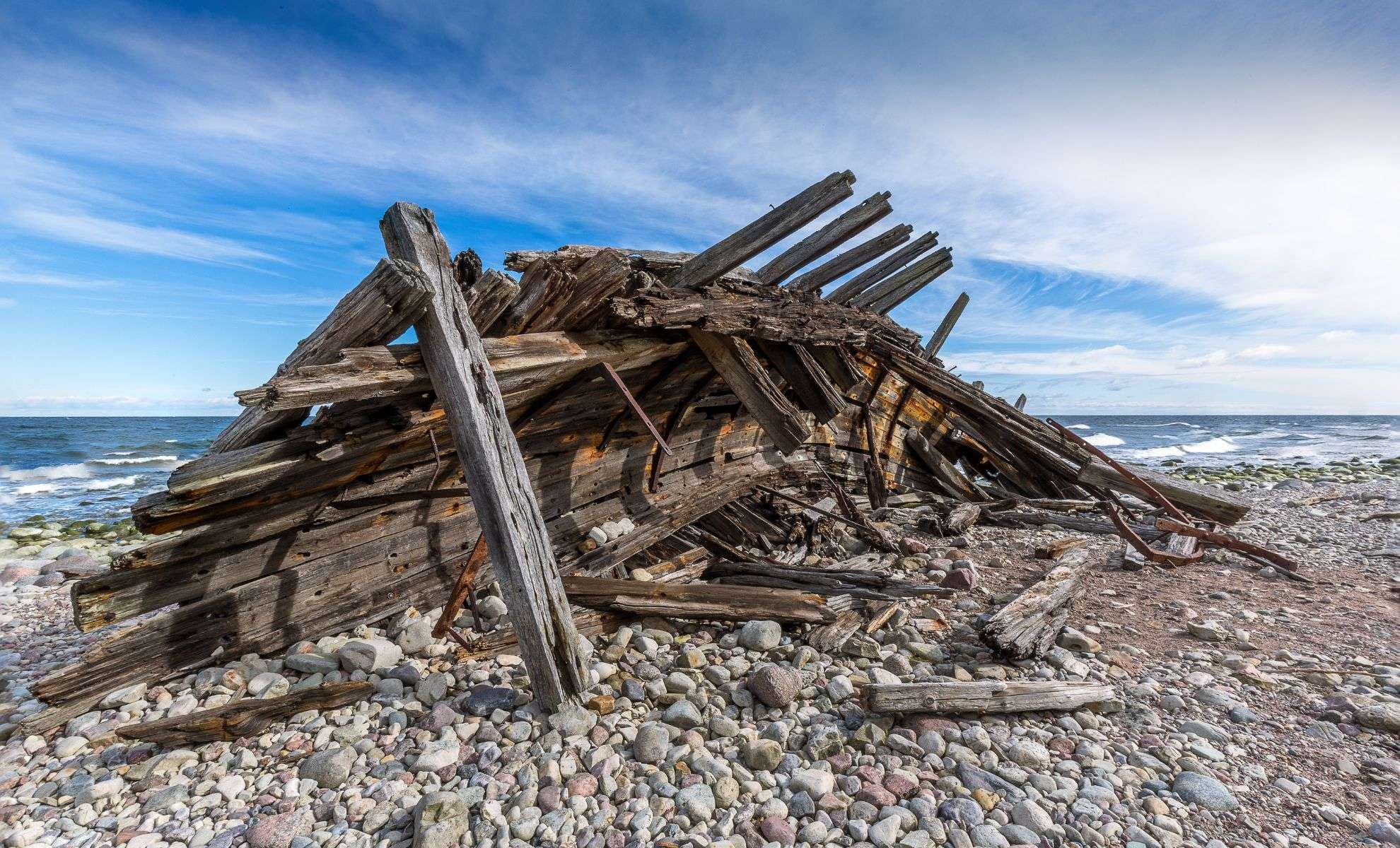
An 8-year-old boy named Lucas Atchison stumbled upon an extraordinary 170-year-old shipwreck off the coast of Goderich, Ontario. This remarkable find was featured in a Popular Mechanics article that detailed the collaborative investigation by volunteers and experts from the Ontario Marine Heritage Committee (OMHC).
From a Metal Detector Signal to Maritime History
During a family outing in 2023, Lucas received a metal detector as a birthday gift and soon found more than just metal scraps. What was first thought to be a rusty spike turned out to be part of a long-buried shipwreck.
Located in Point Farms Provincial Park, an area steeped in nautical heritage, Lucas’s discovery began with a faint beep on his new device. “We were on the beach, we got our metal detector out, and as soon as we set it up, ding! It was a spike from the shipwreck," recalled Lucas, now 10 years old.

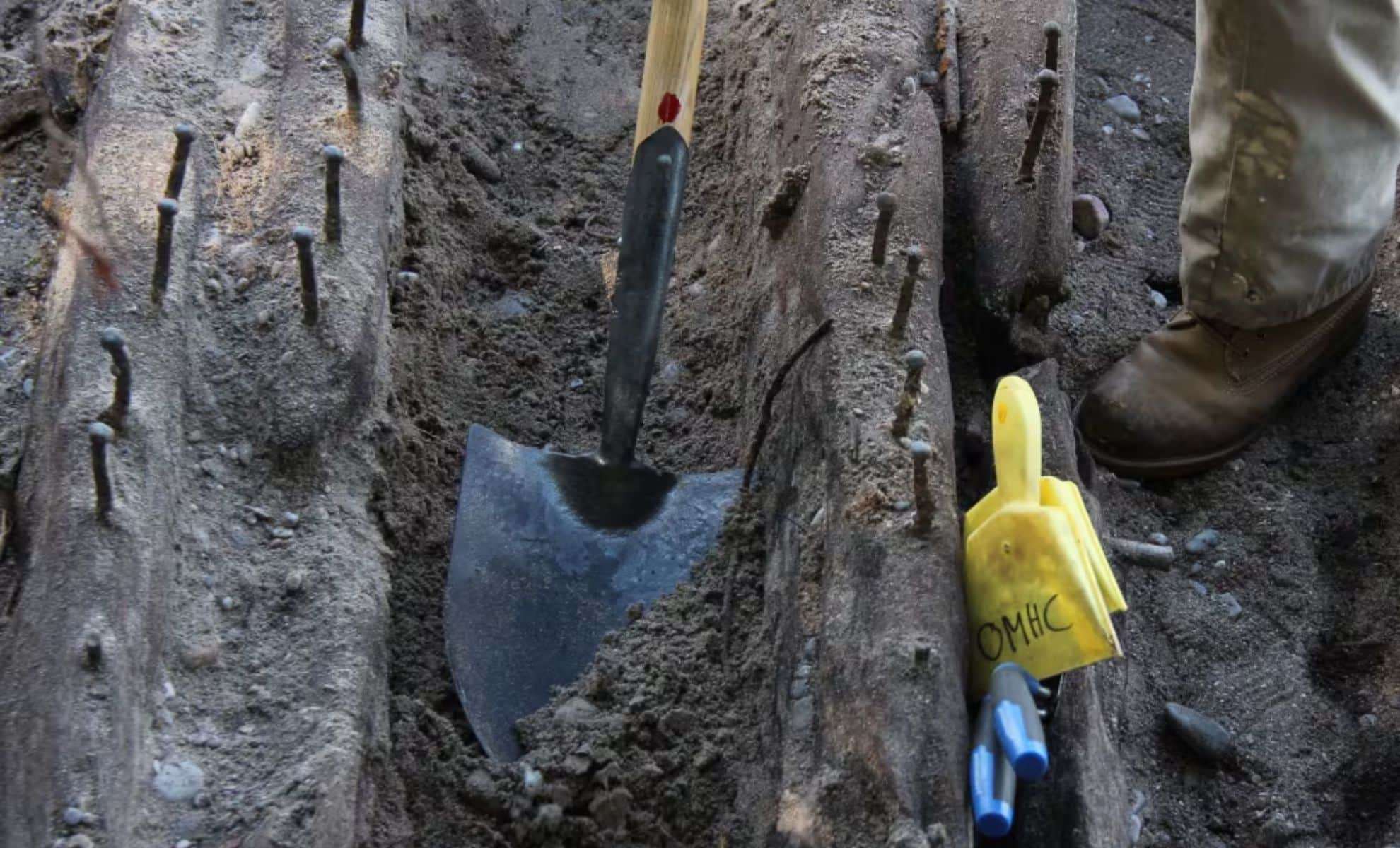
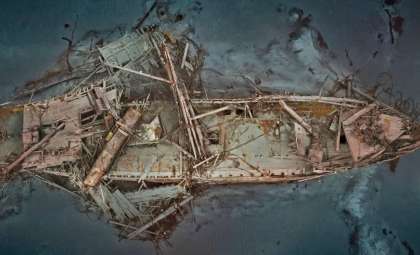
This led the family to inform park authorities and the OMHC, who began a formal archaeological survey. After securing the necessary permits and preparing the site, researchers carefully excavated the area, revealing double framing in the wooden remains—an indicator of more robust schooners from the mid-1800s.
Marine archaeologist Scarlett Janusas noted, “The presence of double frames suggests a sturdier construction, typical of schooners, which are usually two-masted wooden vessels.”

Could This Be the Long-Lost Schooner St. Anthony?
Historical documentation points toward the wreck being the schooner St. Anthony. Constructed in Erie, Pennsylvania and lost in the same year, 1856, the St. Anthony was transporting wheat from Chicago to Buffalo when it ran aground near Goderich. Accounts from the Buffalo Daily Republic in late 1856 outline the incident, including a failed rescue attempt by the tugboat Fashion.
Researchers are now examining 19th-century ship insurance records to cross-reference construction features such as the placement and count of fasteners. These details are critical in confirming the identity of the vessel, as insurance policies of that era required specific building standards for ships.
Preserving History Beneath the Surface
Rather than exposing the shipwreck entirely, experts decided to re-bury the site to ensure its long-term preservation.
Janusas explained, “Reburial creates an anaerobic environment—it cuts off oxygen, which prevents parasites and other organisms that could cause decay, effectively protecting the wreck.”
Volunteers are meticulously crafting scaled illustrations depicting both aerial and side profiles of the wreck to preserve detailed records. Furthermore, the OMHC intends to deepen historical research, placing the ship and its story within the broader narrative of 19th-century Great Lakes maritime trade and navigation.
A Young Discovery that Enriches Maritime Heritage
This discovery not only sheds light on Ontario’s rich maritime past but also inspires more efforts to explore and safeguard underwater archaeological treasures. The tale of Lucas Atchison’s accidental yet historic find illustrates how curiosity and a simple birthday gift can spark extraordinary contributions to our understanding of history.
- Categories:
- News





0 comments
Sign in to Comment