
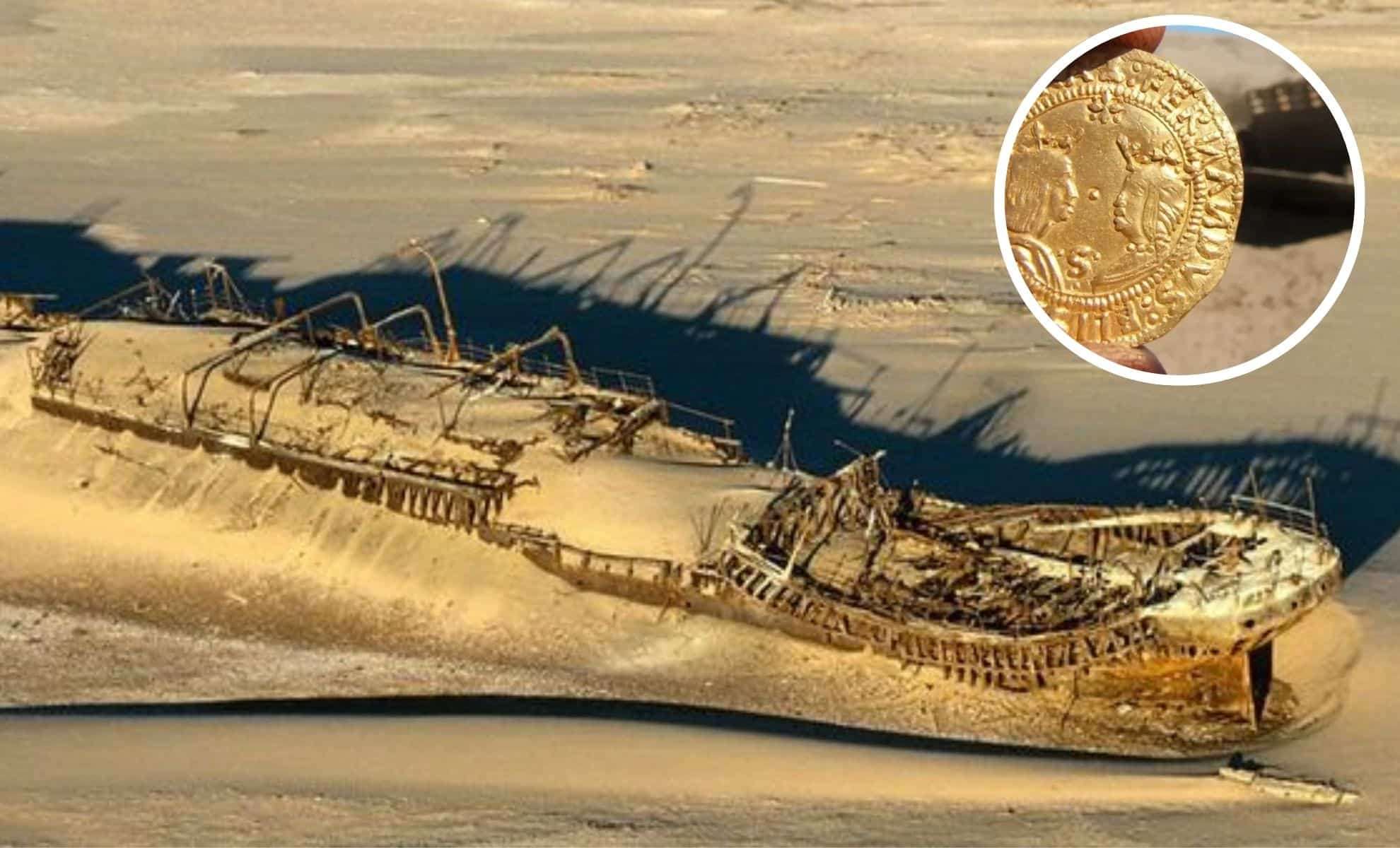
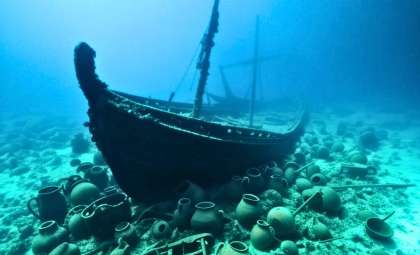
Researchers have uncovered the Bom Jesus, a 500-year-old Portuguese vessel, buried beneath Namibia's desert sands, revealing a trove of gold, copper, and other historical treasures. Lost in 1533 en route to India, this ship eluded discovery until diamond miners stumbled across it near the Skeleton Coast in 2008. The remarkably preserved cargo includes some 2,000 pristine gold coins, copper bars, ivory tusks, and a centuries-old musket.
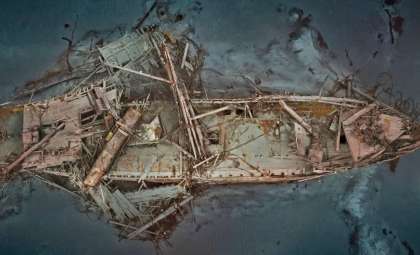
This extraordinary find provides fresh insights into maritime history during the Age of Discovery. The Bom Jesus was an integral part of Portugal’s extensive trade links connecting Europe with Africa and Asia. It likely met its demise after being driven ashore by a severe storm, leading to its capsizing. Over time, the encroaching desert and coastal shifts preserved the ship, eventually revealing an invaluable archaeological resource.
Rich Cargo Unearthed
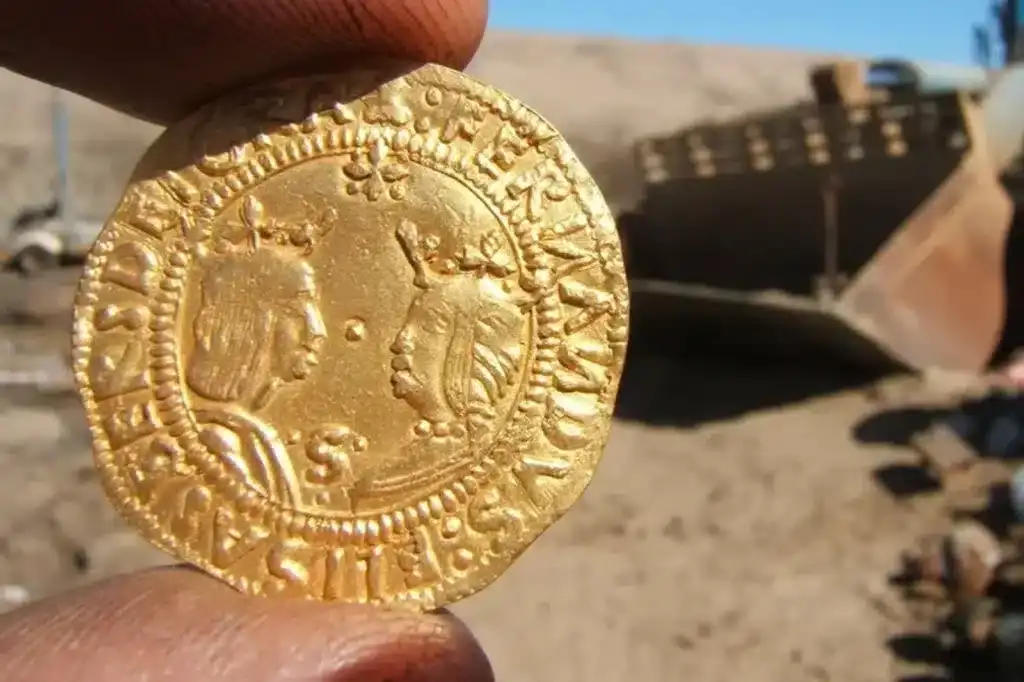
The most striking aspect of the find is the 2,000 gold coins, superbly preserved by the ship's wooden hull. Minted during King João III’s reign, these coins paint a vivid picture of 16th-century trade, illustrating Portugal's vast economic reach extending to its colonies in Africa and Asia. The ship's hold also included valuable copper ingots, silver coins, navigational tools, and a musket, highlighting the era's advanced trade and technology.

The inclusion of elephant ivory points to the vessel's role in Africa’s lucrative ivory trade. According to Dr. Dieter Noli, chief archaeologist at the Southern Africa Institute of Maritime Archaeological Research, the discovery of the gold-filled treasure chest was crucial in confirming the ship’s identity as the Bom Jesus. These artifacts emphasize the shipwreck's importance within the broader narrative of global trade during the 1500s.
The Wreck’s Story and Its Conservation
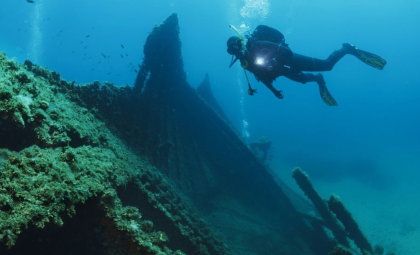
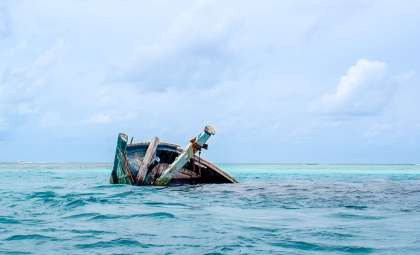
Experts contend the Bom Jesus succumbed to the fierce storms infamous along the Namibian coast, an area known for numerous shipwrecks. The tempest likely pushed the vessel onto hazardous rocks near shore, causing it to overturn. Harsh desert conditions helped shield the wreck long after it sank. As the coastline changed, sand gradually buried the remains, safeguarding the ship’s precious contents.
Dr. Noli points out that the desert's unique climate was key in preserving the wreck's materials, allowing researchers to explore facets of 16th-century maritime life, trade, and exploration with unprecedented clarity.
Significance for Heritage and Diplomacy
Beyond its archaeological importance, the Bom Jesus and its cargo remain the property of Namibia, as the vessel was designated a “ship of state” under the Portuguese crown. Nevertheless, Portugal has granted Namibia custody of the treasure, symbolizing an admirable gesture of international collaboration. This discovery underscores the shared responsibility of nations in conserving cultural heritage.
Currently the oldest and most valuable shipwreck found off Sub-Saharan Africa's western shore, plans are underway to create a museum to house these artifacts. This center will honor the Bom Jesus' legacy and offer an educational platform for generations to come.
- Categories:
- News




0 comments
Sign in to Comment