
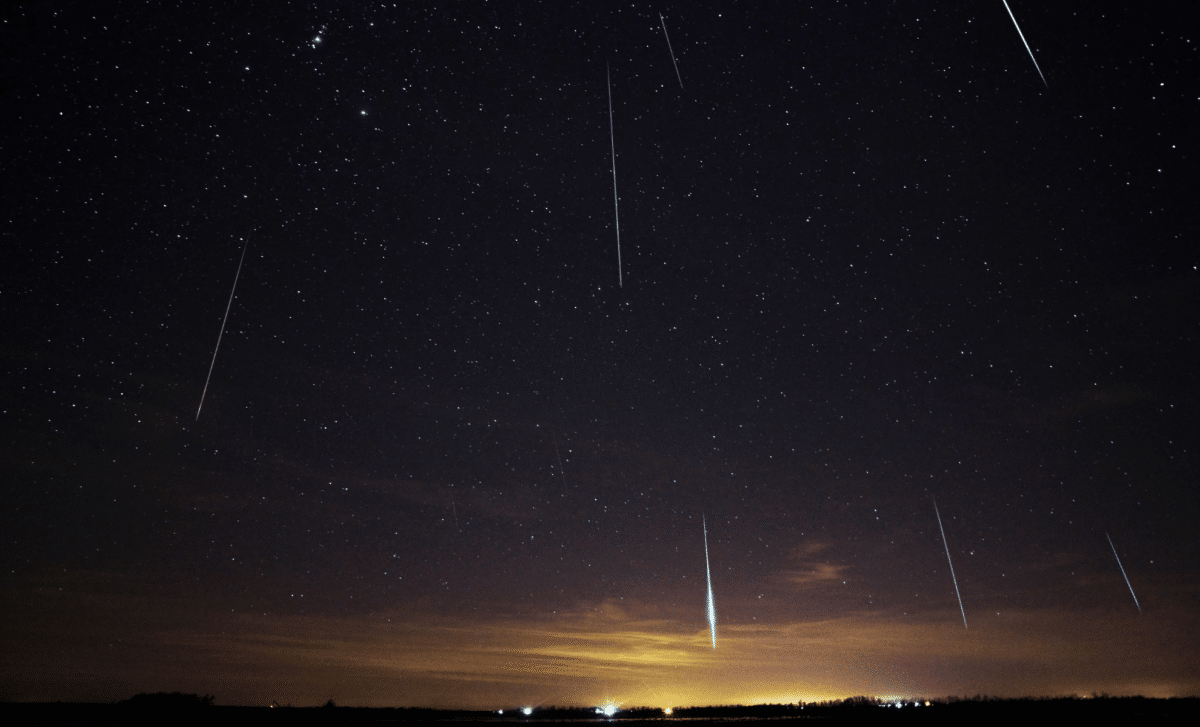
The upcoming 2026 Eta Aquarid meteor shower promises a dazzling celestial performance, although observers should be prepared for some challenges. A bright waning gibbous moon will rise shortly after midnight, potentially obscuring many of the fainter streaks. While under optimal conditions, up to 50 meteors per hour may be visible, careful timing will be key to enjoying the peak on May 5-6.
Everything to Know About the Eta Aquarid Meteor Shower
Running annually from April 19 to May 28, the Eta Aquarids are among the most captivating meteor showers. These meteors originate from dust and debris left by Halley’s Comet. Each year, as Earth crosses this dusty trail, the night sky lights up with brilliant shooting stars. According to NASA, the shower’s peak occurs during the night of May 5-6, providing a spectacular celestial event for observers worldwide.
The radiant point—the spot in the sky from which meteors appear to radiate—is located within the constellation Aquarius. For viewers in the northern hemisphere, the radiant becomes visible after midnight, climbing higher as dawn approaches. Observers in the southern hemisphere enjoy particularly impressive activity levels, with the potential to witness up to 50 meteors per hour under clear and dark conditions.

Despite the excitement, the 2026 event faces disruption from an 84% illuminated moon rising just after midnight on May 5-6. Its bright glow could wash out many of the dimmer meteors, primarily affecting northern hemisphere visibility. Nevertheless, the brighter meteors should remain visible, with the best viewing window in the pre-dawn hours.
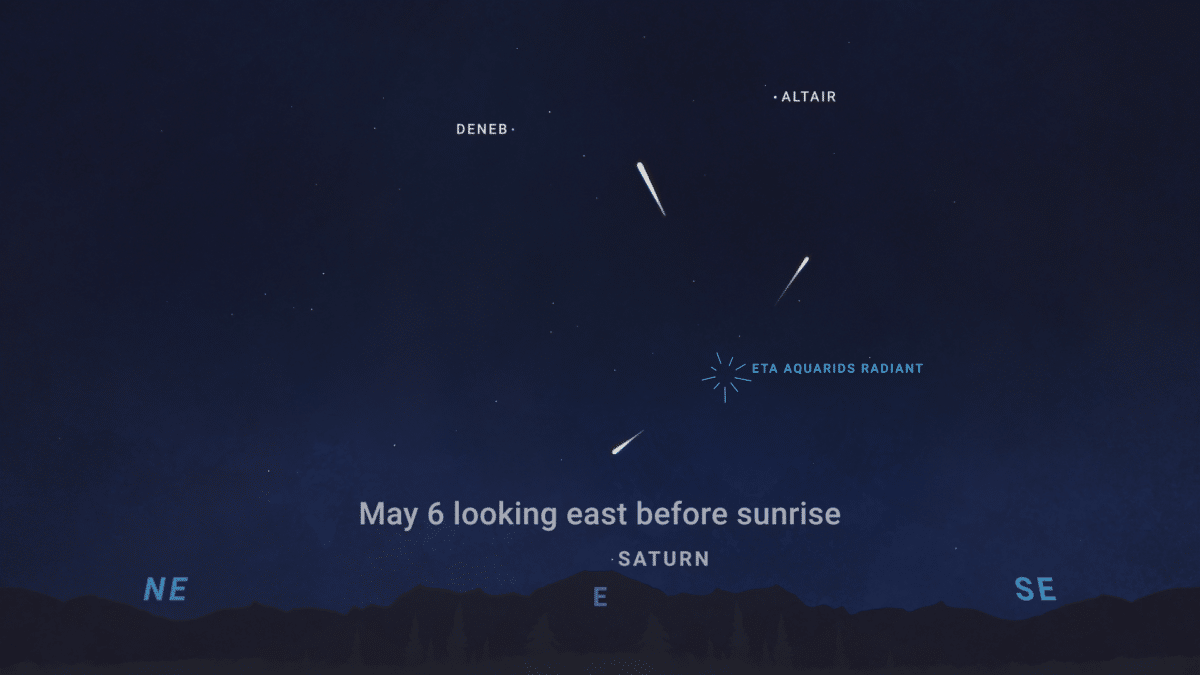
When to Watch: Ideal Times to Spot the Eta Aquarids
The shower’s peak activity occurs between midnight and sunrise on May 6, when the radiant reaches its zenith. The optimum viewing period is during the early morning hours before moonlight becomes too strong. Northern hemisphere watchers should face eastward to locate Aquarius as it ascends. Allow your eyes ample time to adjust to darkness for the best chance at spotting faint meteors.
Observers in the southern hemisphere are poised for more favorable conditions. With the radiant higher overhead, meteor counts can approach 50 per hour on clear nights. Tropical skywatchers, in particular, will experience an impressive show, especially if they avoid areas with artificial lighting.
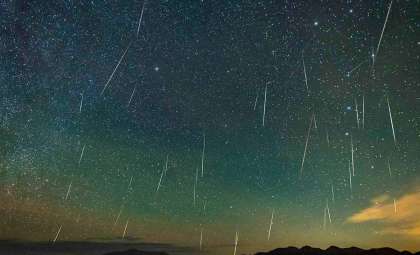
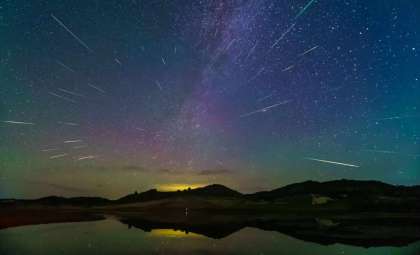
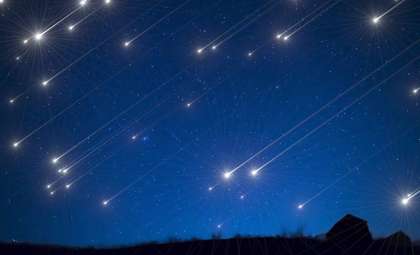
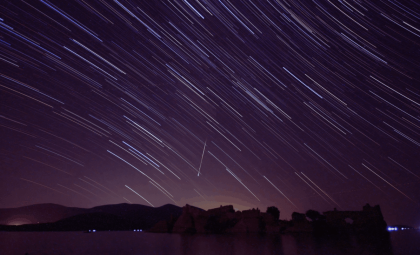
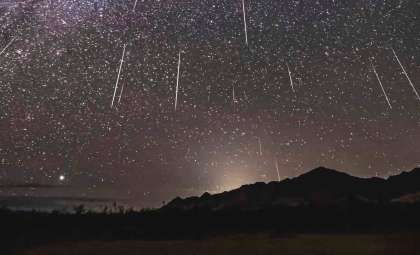
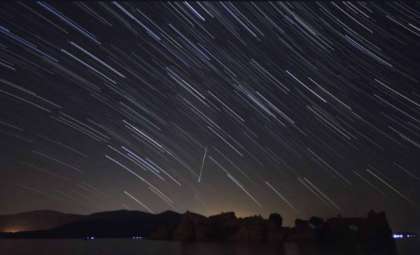
Even with moon interference, the Eta Aquarids offer a beautiful spectacle accessible without any equipment. Simply find a dark location free from city lights and gaze upward. Astrophotographers, too, have a wonderful chance to capture these swift meteors, which frequently leave glowing trails behind them.
Moonlight Challenges: The Waning Gibbous’s Effect on Visibility
The bright waning gibbous moon brings a notable obstacle to viewing the Eta Aquarids this year. Rising in the southeastern sky after midnight, its illumination will drown out many of the fainter meteors during peak hours, limiting visibility.
Despite the moon's brightness, some of the larger and faster meteors—which characterize the Eta Aquarids—will remain visible as they blaze across the sky, sometimes with lingering luminous trails. Skywatchers willing to endure the moon’s glare can still expect some impressive meteor sightings.
Viewing conditions will also hinge on your geographic location. Areas plagued by light pollution or cloud cover will experience further diminished visibility from moonlight. For optimal viewing, seek out dark sky spots and utilize stargazing apps such as Stellarium or SkySafari to locate the radiant and track the meteor shower effectively.
- Categories:
- News


0 comments
Sign in to Comment