
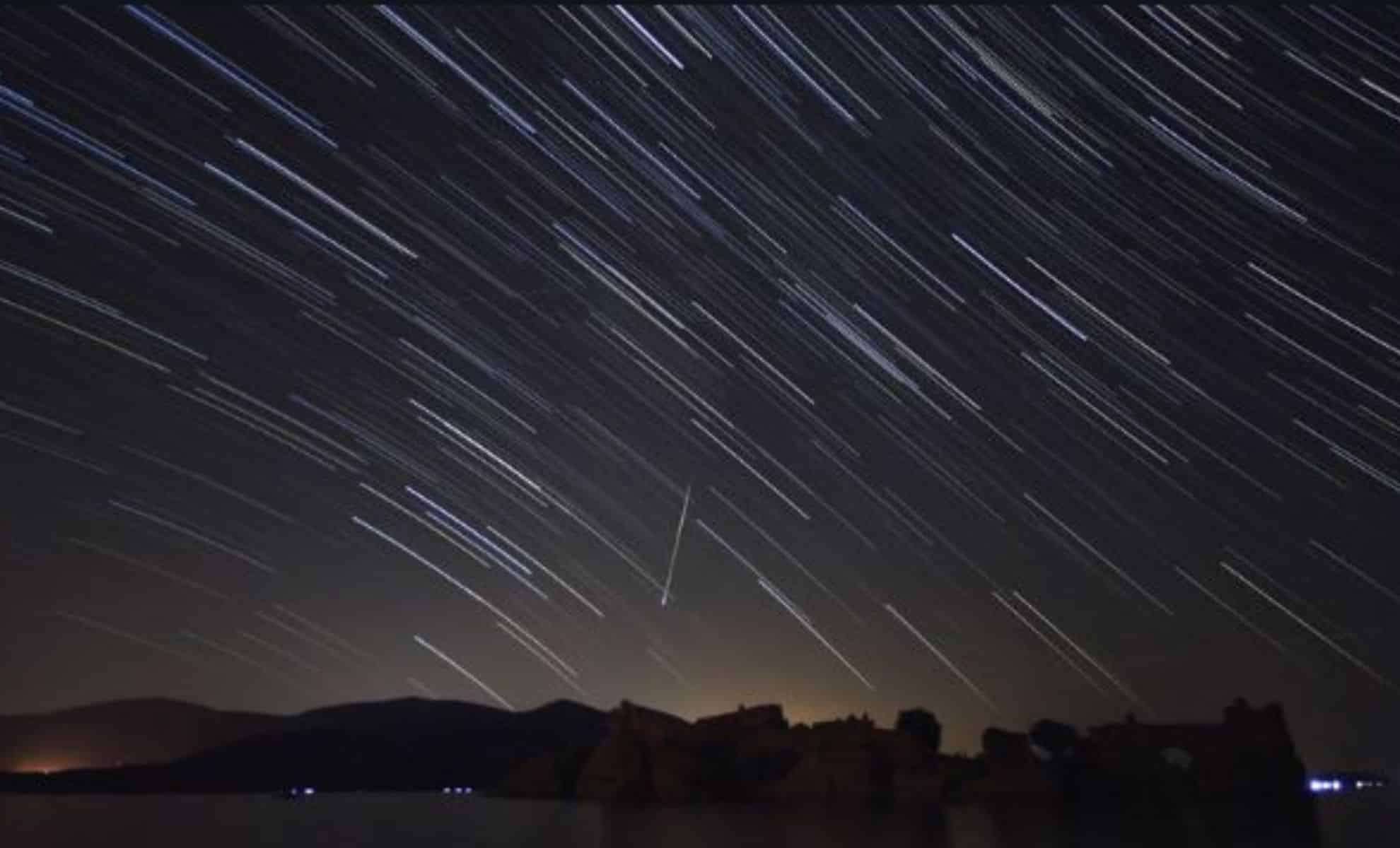
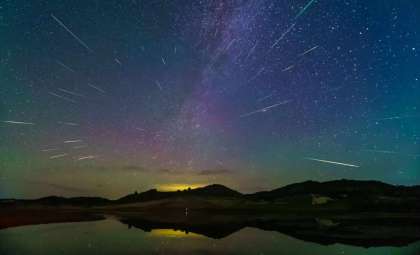
This week marks the height of the Northern Taurid meteor shower, celebrated for its vivid slow-burning meteors, with prime viewing between late Monday and early Tuesday. Known especially for spectacular fireballs—exceptionally bright meteors illuminating the night sky—this event offers a captivating experience for astronomy enthusiasts. The Northern Taurids are active from mid-October through early December, with the most intense activity forecast to occur after midnight this week.
Fireballs and Gentle Meteor Trails—What You’ll See
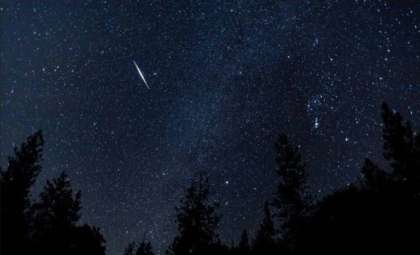
The Northern Taurid meteor shower distinguishes itself from other meteor showers by featuring meteors traveling at around 65,000 miles per hour, noticeably slower than the Orionids’ speed of up to 148,000 miles per hour. This slower motion allows watchers to follow each meteor’s path more leisurely, enhancing the observation experience for both newcomers and seasoned sky-watchers. Although the Northern Taurids produce fewer meteors compared to prolific showers like the Perseids or Geminids, they make up for it with frequent fireballs—larger and brighter streaks that often linger in the night sky for several seconds, creating a striking spectacle. The American Meteor Society (AMS) notes that these fireballs are a signature feature of the Taurid showers, earning them a reputation as a fascinating yearly event not to be missed.
The Northern Taurids are part of a dual meteor stream including the Southern Taurids, both stemming from the debris trail of Comet Encke. This comet boasts the shortest known orbit in the solar system, circling the sun every 3.3 years. Each pass through the inner solar system sheds dust, rock, and ice fragments, forming a broad stream of debris that Earth crosses twice annually, creating the two Taurid meteor showers. Because this debris is spread out across a wide space region, the Taurids display a prolonged activity period with distinct peaks for each stream. The presence of larger fragments within this debris explains the striking fireballs commonly seen during the Northern Taurids.

Best Viewing Tips for the Northern Taurid Shower
For optimal viewing, head outdoors after midnight when the moon is near the horizon or has set, reducing brightness that interferes with meteor visibility. During this peak, the moon will be roughly 79% illuminated, potentially affecting early evening sightings. To combat this, the AMS advises choosing a dark, rural spot away from city lights and waiting until later in the night when the Taurus constellation is more elevated. Taurus lies to the northeast of Orion and is identified by the bright star Aldebaran and the Pleiades cluster, making it easier to locate. Dr. Shannon Schmoll from Michigan State University’s Abrams Planetarium recommends watchers "get comfortable, dress warmly, and be patient" for the best experience. No special instruments are required—just a clear view and some persistence—though bringing a comfortable seat and layering up against the chill can enhance enjoyment.
While the meteors seem to radiate from the Taurus constellation, they can appear anywhere in the sky. Simply ensure that Taurus is visible and enjoy the show. These meteors shine brightly enough to be seen unaided, making this event accessible to casual observers. Though fireballs are rare during most showers, the Northern Taurids improve your chances of witnessing one of these luminous phenomena, widely regarded as some of the most dazzling shoots in the night sky.
The Unique Appeal of the Northern Taurids
The Northern Taurids produce fewer meteors per hour than illustrious showers like the Perseids, yet their attraction lies in the frequent fireballs they generate. These brilliant flashes, larger than typical meteors, create vibrant glows known as "ionized trails of excited air molecules," a phenomenon highlighted by the American Meteor Society. These glowing trails can persist for several seconds, lending an extraordinary depth to the meteor watching. Occasionally, fireballs leave behind visible smoke-like trails reminiscent of airplane contrails, adding to the visual enchantment.
NASA attributes these distinctive, bright fireballs to relatively large debris fragments from Comet Encke. As they vaporize entering Earth's atmosphere, these fragments can produce brilliant flashes often tinged with oranges or reds. Their slow movement allows viewers time to trace their flight paths. Although observers may see only about five meteors hourly at the peak, the Northern Taurids’ tendency for vivid fireballs makes this shower a worthwhile spectacle.
Should you miss this week's peak, the Northern Taurids continue active until December 2, allowing numerous additional chances to witness this stunning meteor shower.
- Categories:
- News






0 comments
Sign in to Comment