

A recently created digital avatar named Ava offers a disturbing preview of how social media influencers might appear in 2050 if current trends persist. Crafted by analysts and supported by findings from a study published in Interdisciplinary Neurosurgery, Ava’s appearance highlights the physical toll of influencer lifestyles—far from the polished images fans are used to today.
How Screen Time and Appearance Pressures Shape the Future
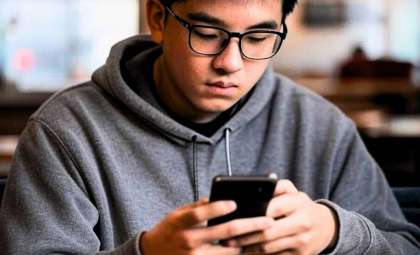
At first, Ava seems like a character from dystopian fiction, but her features are grounded in real consequences of prolonged smartphone use and influencer culture. Scientists have identified a condition called text neck syndrome, which results from spending hours with the head bent forward while using mobile devices.
The research shows that the neck is often bent between 15 and 60 degrees during smartphone use. Over time, this posture becomes fixed, causing persistent neck pain, hunched shoulders, and a forward-leaning head position.

According to Casino.org, Ava’s characteristic "slouched stance" reflects these habits, noting that influencers often dedicate more than 90 hours each week to work—much of it spent on phones or before cameras. This lifestyle is draining not just physically, but mentally, as constant exposure to screens and the pressure to maintain a perfect image take a heavy psychological toll.
@shivalibestMove aside Molly-Mae and Zoella – this is what scientists say influencers will look like in the year 2050 😳 #influencers
♬ Spooky, quiet, scary atmosphere piano songs – Skittlegirl Sound
The Impact of Cosmetics and Artificial Lighting on Skin Health
Ava’s skin appears irritated, inflamed, and patchy, highlighting the consequences of frequent makeup use, constant application of skincare products, and changing regimens. These routine habits can provoke contact dermatitis, a skin condition caused by repeated chemical exposure from beauty products.
In addition to cosmetics, influencers are regularly exposed to LED lighting from tools like ring lights and studio setups. Prolonged exposure to this artificial illumination can hasten signs of skin aging—termed digital aging—leading to pigmentation irregularities, fine wrinkles, and ongoing inflammation.
Even in the absence of cosmetic surgery, Ava’s appearance bears the marks of modern beauty standards, serving as a visible reminder of the physical costs of maintaining a digitally curated image.
Health Risks Linked to Excessive Editing and Screen Exposure
Ava’s eyes look fatigued and bloodshot, surrounded by deep dark circles—classic symptoms of computer vision syndrome, or digital eye strain. Influencers spend relentless hours editing content, hosting live sessions, and engaging with their audience, leading to dry eyes, blurred vision, and puffiness under the eyes.
Sleep disturbances are common too. Research highlighted by Casino.org reveals that screen-emitted blue light and the constant engagement on platforms interfere with natural circadian rhythms, leaving influencers struggling to rest adequately as they strive to stay visible in algorithm-driven environments.
Facial Distortions and Lasting Hair Damage
The deeper you look at Ava, the more unsettling details emerge. Her face shows subtle distortion, with swollen cheeks, a sharp chin, and an unnatural skin texture—outcomes linked to excessive, improperly placed facial fillers. Casino.org points out that these effects stem from “facial overcorrection,” influenced by trends such as Snapchat Dysmorphia and Pillow Face Syndrome, underscoring how striving for perfection can result in unnatural features.
Her hairline also reveals damage. Years of wearing tight hair extensions and aggressive styling have caused traction alopecia, a condition where constant tension harms hair follicles.
Dr. Aamna Adel, a dermatologist consulted in the study, cautions that this type of hair loss “can be permanent, leading to irreversible hair loss” if untreated. On Ava, this manifests as thinning patches, bald spots, and a receding hairline, further emphasizing her unsettling transformation.
- Categories:
- News











0 comments
Sign in to Comment