
Microorganisms preserved in Arctic ice for thousands of years are beginning to become active once again as permafrost thaws. Scientists warn that this gradual microbial reawakening may contribute additional greenhouse gases to the atmosphere, further impacting global climate change. Across northern landscapes, previously frozen soil layers are undergoing transformation. Materials trapped since the last Ice Age are now warming, triggering biological processes that have remained dormant for millennia.
Permafrost blankets almost a quarter of the Northern Hemisphere and stores enormous quantities of organic matter. As this frozen substrate softens, it exposes ancient plant matter, animal fossils, and diverse microbial communities preserved for tens of thousands of years. Researchers aim to uncover what happens when these microbes reawaken. Although the revival begins gradually, it could still alter the carbon exchange between soil and atmosphere.
Investigating Life within Alaska’s Ancient Permafrost Tunnel
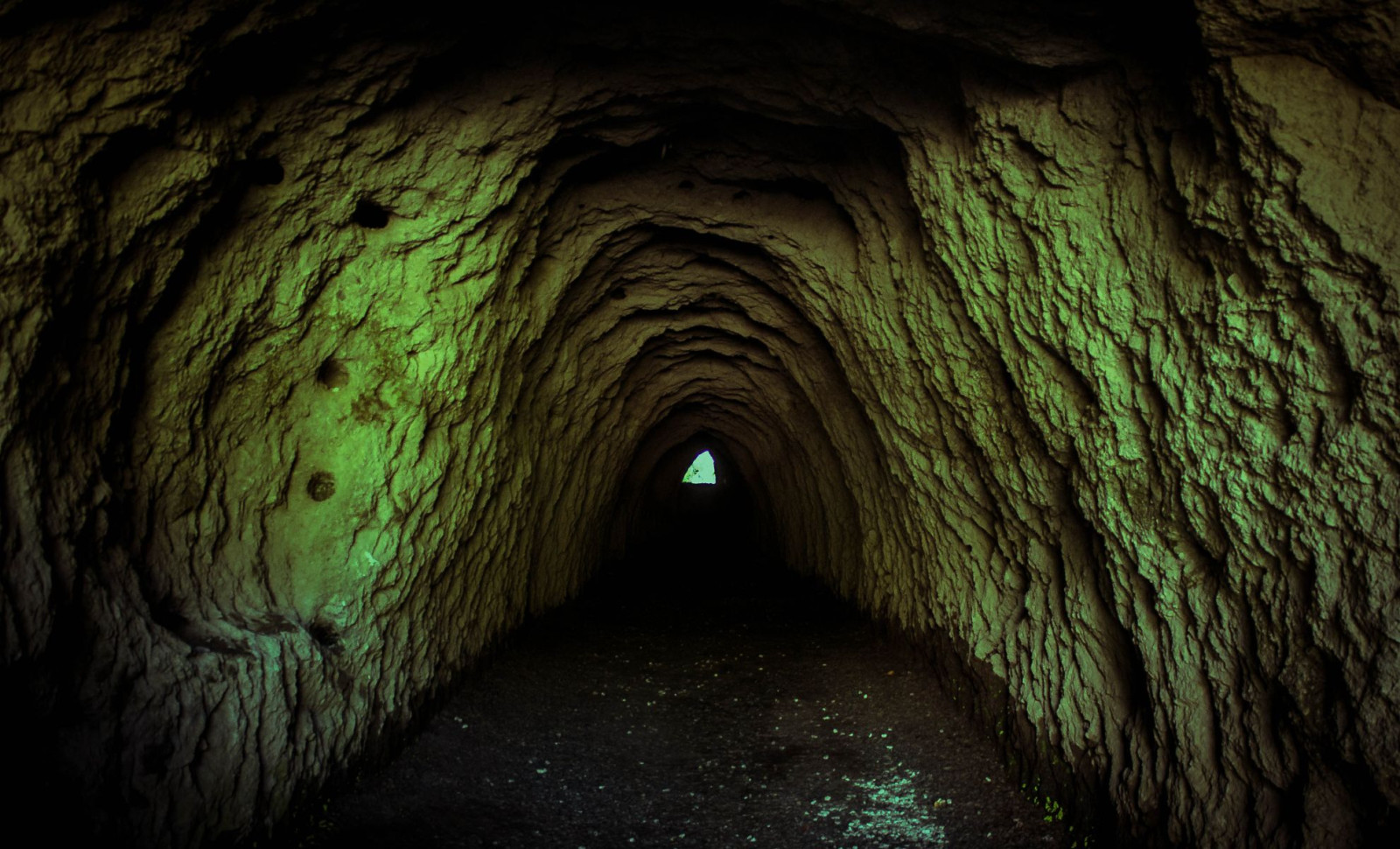
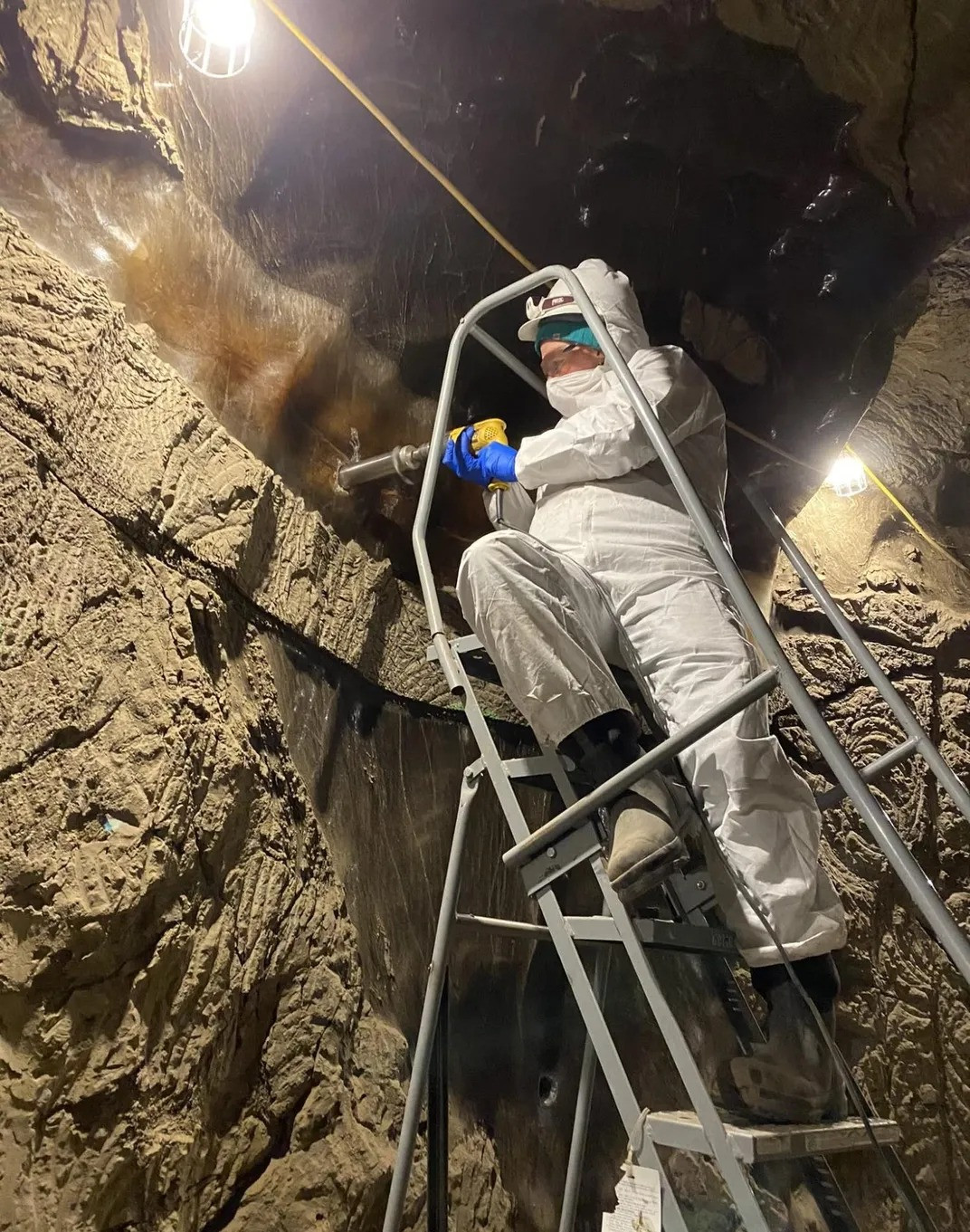
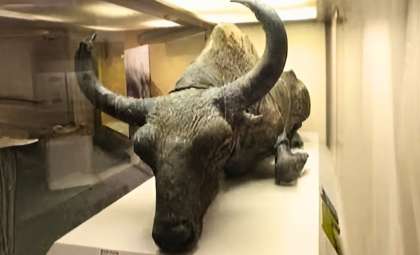
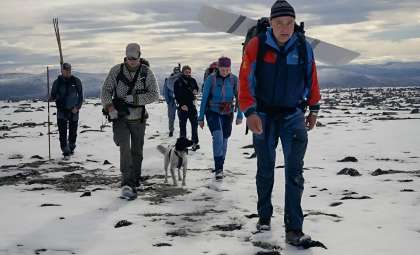
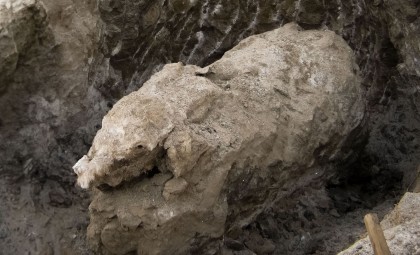
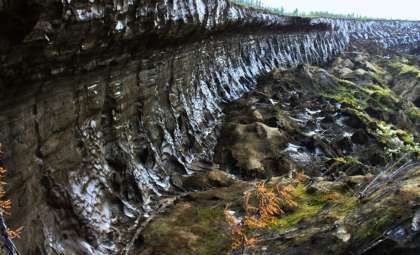
To investigate these processes, led by Tristan Caro, scientists extracted permafrost samples from a U.S. Army Corps of Engineers tunnel located in central Alaska. This approximately 350-foot-long tunnel provides a unique cross-section into ancient frozen strata, where remnants of bison and mammoths remain visible embedded in the walls.

Detailed in the Journal of Geophysical Research: Biogeosciences, the study involved thawing the permafrost samples at 39 to 54 degrees Fahrenheit, replicating summer temperatures typical of Alaska.
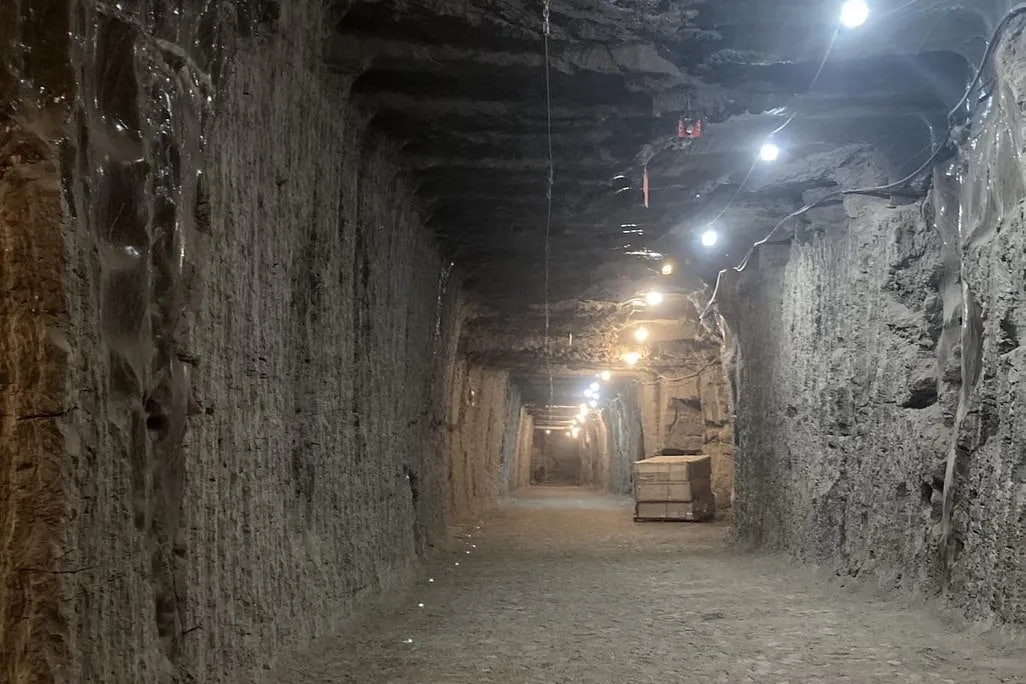
The experiment’s purpose was to assess whether any living organisms remained viable within the permafrost. Caro also remarked on the distinctive odor inside the tunnel, which suggested microbial activity.
“The first thing you notice when you walk in there is that it smells really bad. It smells like a musty basement that’s been left to sit for way too long,” he remarked. “To a microbiologist, that’s very exciting because interesting smells are often microbial.”
Gradual Revival Evident in Microbial Communities
Initially, the microbes showed minimal activity. The research found that in the first few months, only about one in 100,000 cells divided daily, a rate far slower than typical bacteria cultured in labs, which can reproduce every few hours.
However, after roughly six months, signs of change appeared. Some microbes began forming biofilms, which are intricate, gelatinous layers indicative of active growth and cellular cooperation.
“These are not dead samples by any means,” said Caro in a statement available on the website of the University of Colorado Boulder. “They’re still very much capable of hosting robust life that can break down organic matter and release it as carbon dioxide.”
This transition from near dormancy to visible biological activity underscores that even after tens of millennia, these microorganisms can resume key metabolic functions once conditions are favorable.
Microbial Awakening Could Impact Global Carbon Cycles
The resurgence of these microbes carries significant ecological consequences. As they metabolize ancient organic substances, they emit carbon dioxide and methane, greenhouse gases that contribute to atmospheric warming.
Professor Sebastian Kopf, a geological sciences expert collaborating on the study, highlighted the uncertainty surrounding permafrost thaw in climate models.
“It’s one of the biggest unknowns in climate responses,”he stated. “How will the thawing of all this frozen ground, where we know there’s tons of carbon stored, affect the ecology of these regions and the rate of climate change?”
Many questions remain unanswered. Only a fraction of the Earth’s permafrost has been examined, and it is uncertain whether microbial activity elsewhere matches these findings in pace or character.
- Categories:
- Science

0 comments
Sign in to Comment