

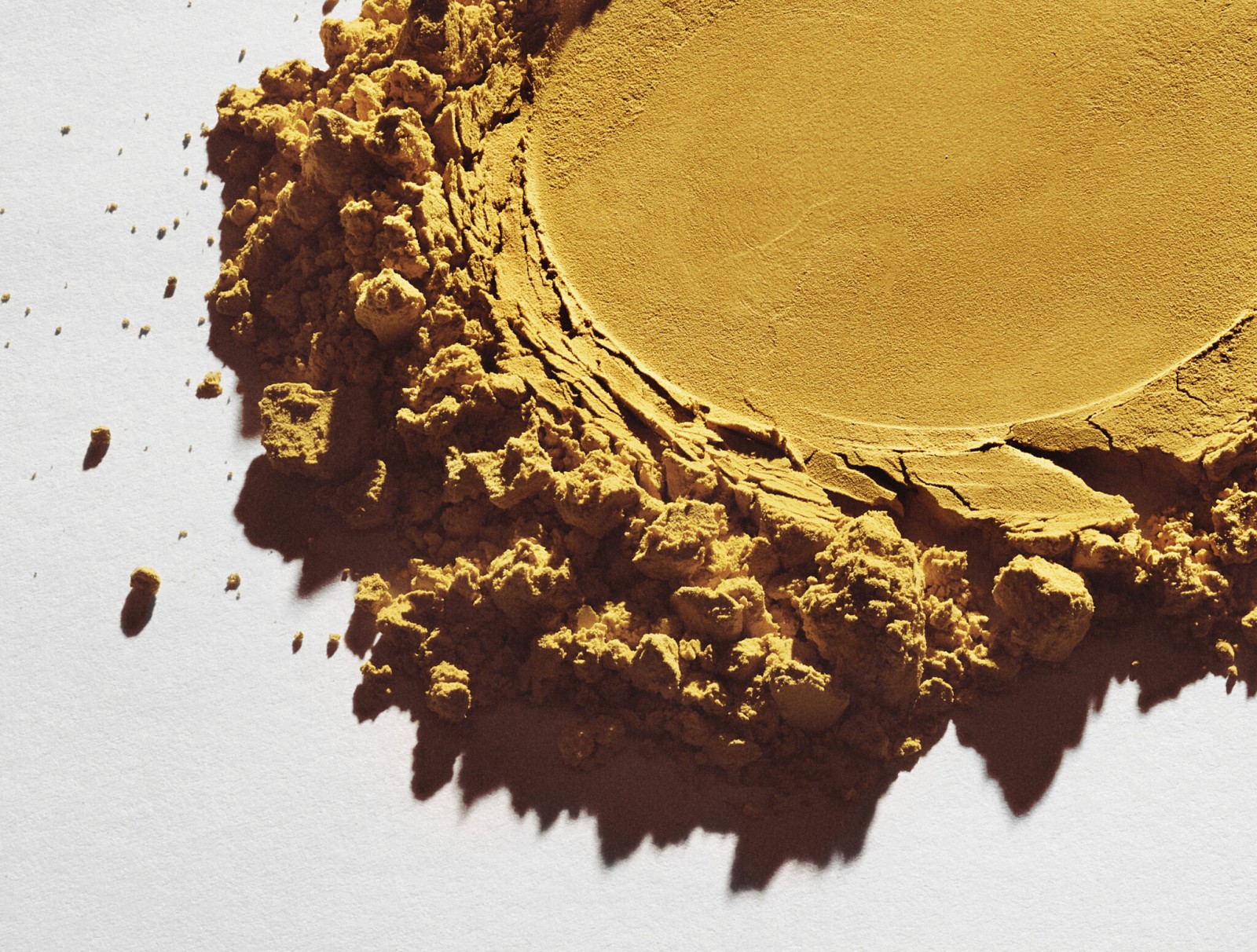
Transforming the air and astronaut urine into edible protein may sound like a concept from a sci-fi novel, but European researchers are making it a reality. The European Space Agency (ESA) has launched an initiative to create protein in space by utilizing Solein, a microbial-based powder synthesized from carbon dioxide, electricity, and microbes.
As missions to the Moon and Mars come closer to realization, the challenge of transporting food supplies becomes a major hurdle. Currently, astronauts aboard the International Space Station (ISS) depend on shipments sent from Earth, which are costly and impractical for prolonged excursions beyond Earth’s orbit. ESA’s new venture aims to develop systems for producing food onboard, enhancing astronauts' self-sufficiency and mission sustainability.
The principle behind this innovation is to generate food directly in space by leveraging local resources, removing the reliance on Earth-based supply chains. The key ingredient is Solein, developed by Finnish company Solar Foods, which can be manufactured inside spacecraft using materials accessible in space.

Microbial Production of Nutrient-Rich Space Food
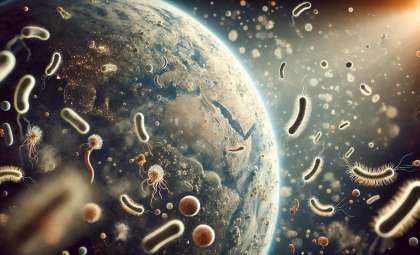
Solein is created through a process called gas fermentation, where specific microbes convert carbon dioxide and hydrogen into a complete protein. On Earth, this technique uses ammonia to provide nitrogen, but in a space environment, the nitrogen source would switch to urea derived from urine, making the system more closed-loop and efficient, according to Space.com.
“This project aims at developing a key resource which will allow us to improve human spaceflight’s autonomy, resilience and also the well-being of our astronauts,” said Angelique Van Ombergen, ESA’s chief exploration scientist.
Solein’s nutritional composition makes it an excellent candidate for feeding astronauts during extended space journeys. It contains 78% protein, 6% mostly unsaturated fats, 10% dietary fiber, along with 2% carbohydrates and 4% minerals. Additionally, it supplies essential micronutrients like 1.1 g/kg of iron and 50 µg/kg of vitamin B12, nutrients that are often deficient in space diets.
If successfully implemented, this concept could phase out frequent freight deliveries and enable astronauts to sustain themselves independently beyond Earth’s orbit. While Solar Foods has achieved Solein production on Earth, its behavior in zero gravity remains untested—a challenge the next phase of the project aims to address.
Introducing Gas Fermentation to Space
ESA’s endeavor represents the first time gas fermentation will be adapted for space, utilizing astronaut urine as a raw material. As explained by Arttu Luukanen, senior vice president at Solar Foods:
“The aim of the project is to confirm that our organism grows in the space environment as it does on the ground, and to develop the fundamentals of gas fermentation technology to be used in space — something that has never been done before in the history of humankind.”
Over the upcoming eight months, Solar Foods will partner with OHB System AG, a German aerospace firm, to modify the fermentation technology for application aboard the ISS. A significant challenge lies in microgravity, where the normal behavior of gases and liquids is altered. Unlike Earth, where buoyancy governs fluid movement, the lack of gravity affects how nutrients and gases move inside the microbial culture, potentially impacting the system’s efficiency and output.
Potential Earth Benefits from Space Technology
This research also holds promise for terrestrial use. Producing high-quality food from waste materials like human urine and carbon dioxide could be particularly beneficial in isolated or resource-limited regions on Earth.
The innovation supports a circular life-support ethos, where waste—including urine—is recycled rather than discarded. This aligns with the broader goals of sustainability in space exploration and is vital for establishing permanent, environmentally responsible habitats beyond our planet.
- Categories:
- Science






0 comments
Sign in to Comment