
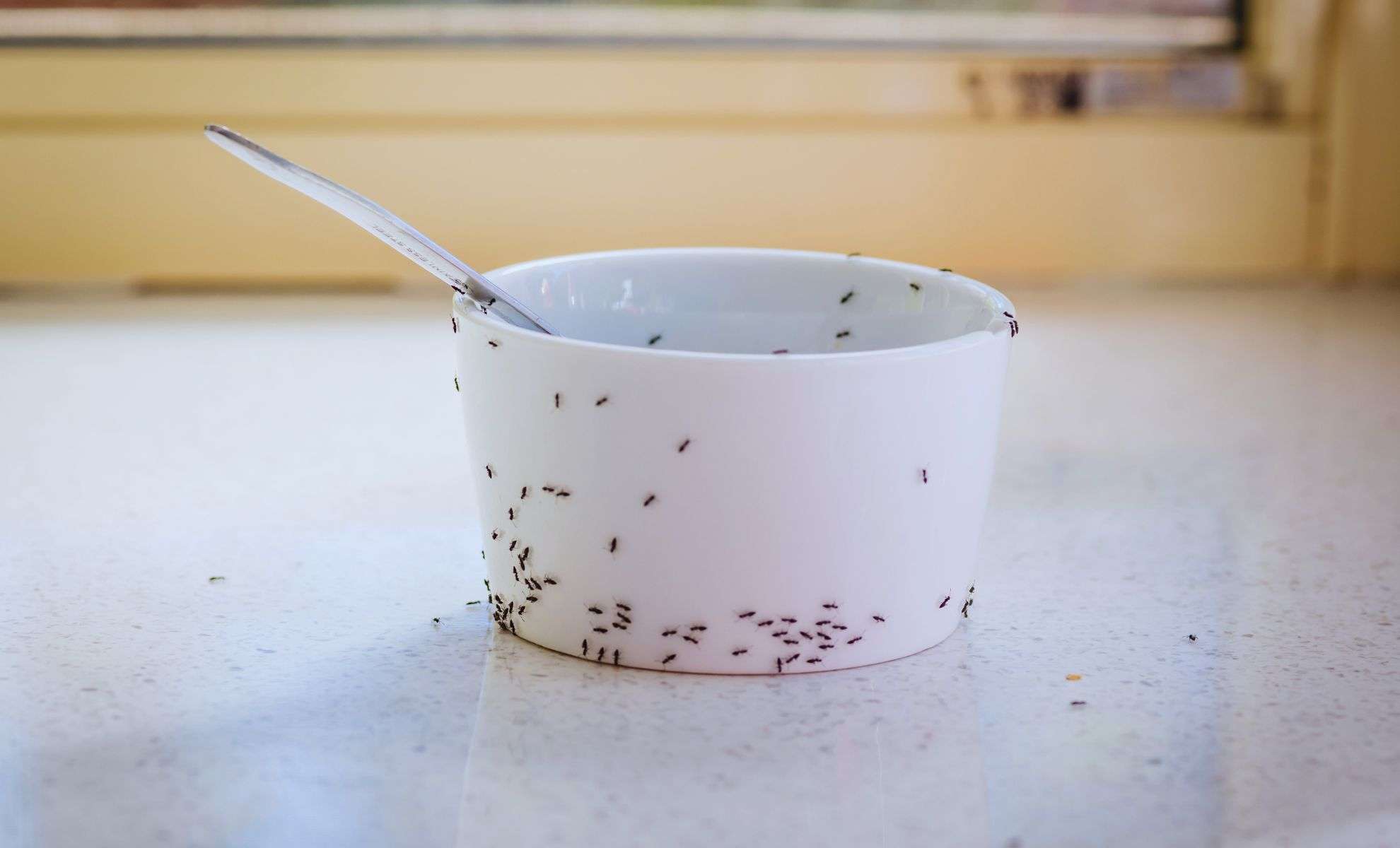
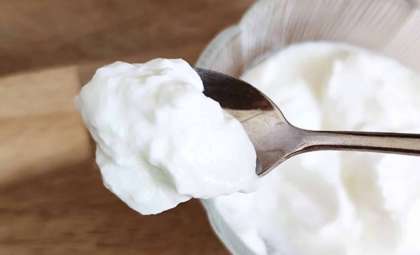
Imagine savoring yogurt crafted not by conventional bacteria but through fermentation involving ants. Researchers have recently resurrected an old culinary tradition from Bulgaria and Turkey, where forest ants were instrumental in transforming milk into a yogurt-like treat. This surprising technique might extend beyond its cultural roots, offering promising avenues for innovative and healthier fermentation methods, as detailed in a recent publication in iScience.
The Unanticipated Contribution of Ants to Fermentation
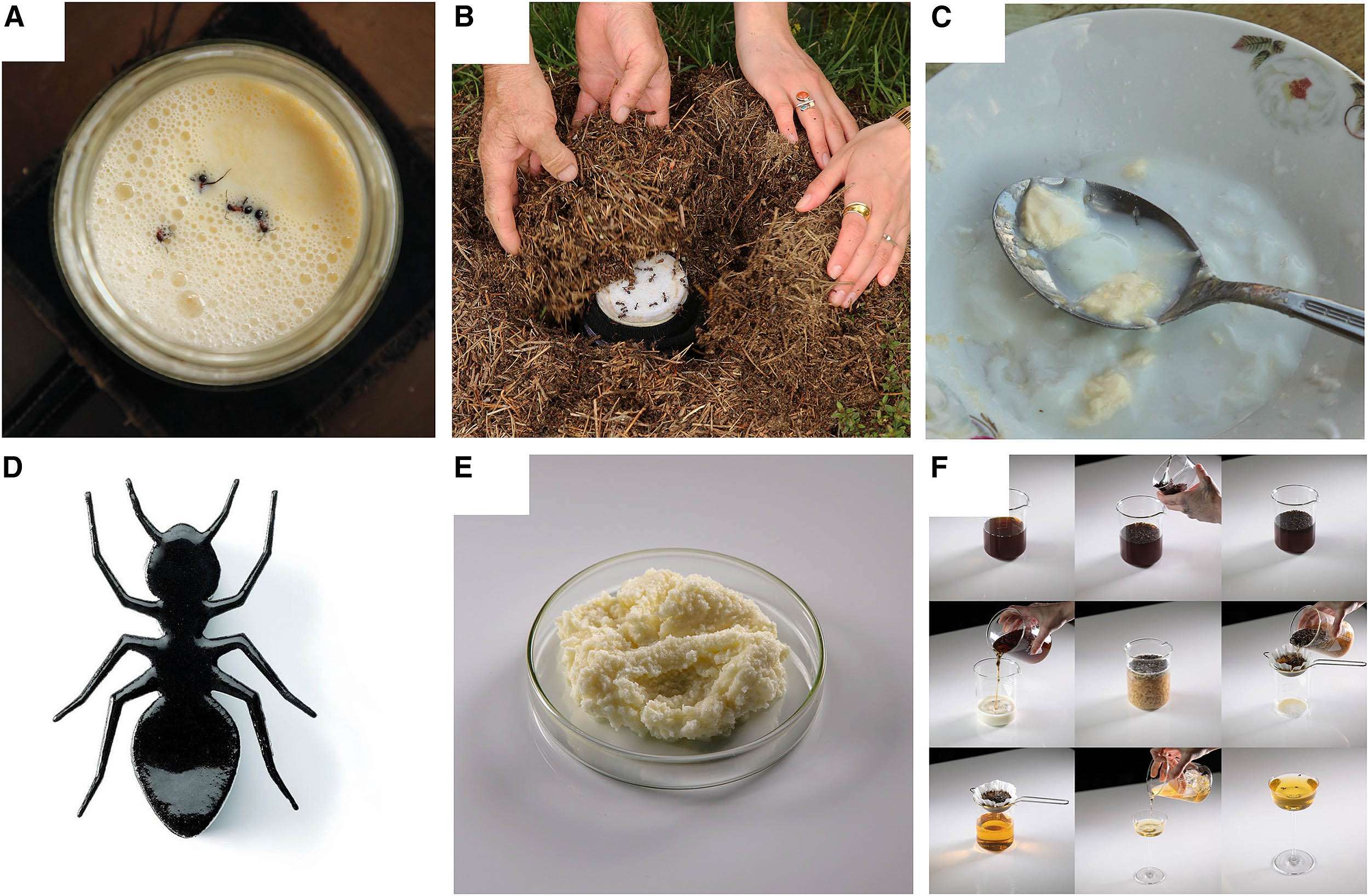
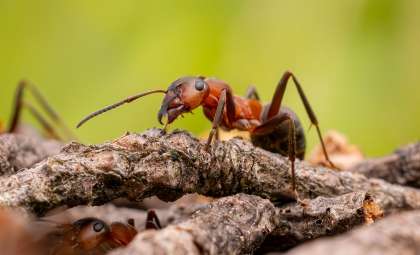
Under the guidance of Leonie Jahn from the Technical University of Denmark, the team investigated an ancient Balkan yogurt-making technique that incorporates forest ants. Unlike traditional yogurt relying on selected bacterial cultures, this method harnesses the ants’ indigenous microbial community to ferment the milk. Their findings highlight how blending age-old food wisdom with modern microbiology could revive forgotten recipes and diversify fermentation practices with potential health benefits.
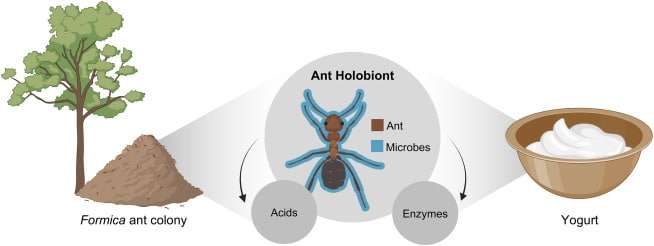
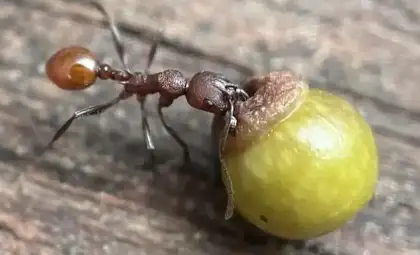
The secret lies in the microorganisms carried by the ants, notably lactic acid bacteria, which acidify the milk, turning it into a yogurt-like product. Additionally, formic acid secreted by the ants’ colony structures helps reduce the milk’s pH, optimizing fermentation conditions. The research demonstrated that only live ants were effective for this fermentation; using frozen or dried ants disrupted the microbial balance, resulting in inferior products.

A Yogurt Experience Like No Other
Traditional yogurt production usually involves the bacterial duo Streptococcus thermophilus and Lactobacillus delbrueckii subsp. bulgaricus, but yogurt fermented with ants showed distinct characteristics. Although it thickened properly, this variety displayed lower concentrations of organic acids compared to conventional yogurt.
Another notable difference was the prolonged fermentation period. According to the study, the ant-based yogurt’s acidity stabilized with a pH typically ranging from 5.0 to 5.9, noticeably higher than the standard 4.6 found in commercial yogurts.
This extended fermentation time might be an asset rather than a drawback, enabling the creation of novel textures and flavor profiles uncommon in today's yogurt selections. The presence of Fructilactobacillus sanfranciscensis, a microbe also linked to sourdough fermentation, suggests this ancient technique could inspire more intricate and diverse yogurt products.
Insights from Historical Practices and the Natural World
The broader implication extends beyond novelty: it underlines the importance of preserving traditional culinary knowledge. Researchers encourage appreciating how ancestral cultures harnessed natural ecosystems to create unique foods. Veronica Sinotte, microbiologist at the University of Copenhagen, stresses the value of these traditions as reservoirs of scientific inspiration rather than mere curiosities.
“I hope people recognize the importance of community and maybe listen a little more closely when their grandmother shares a recipe or memory that seems unusual,” said Sinotte.
However, experts warn against experimenting with adding ants to milk at home due to health risks such as parasites. Instead, they advocate isolating the beneficial microbes under controlled laboratory conditions to safely explore their fermentation potential for dairy and plant-based products in the future.
- Categories:
- Science






0 comments
Sign in to Comment